Featured Products
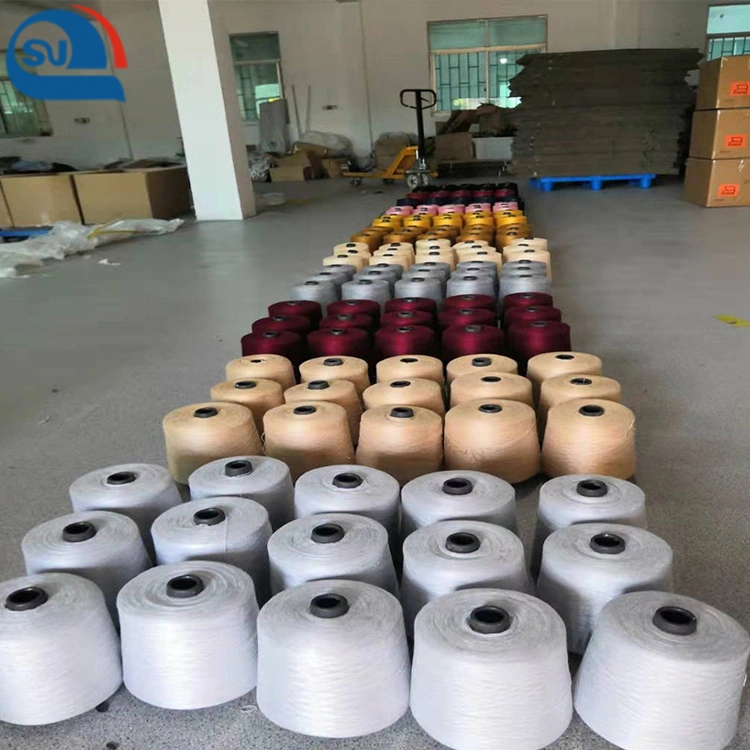
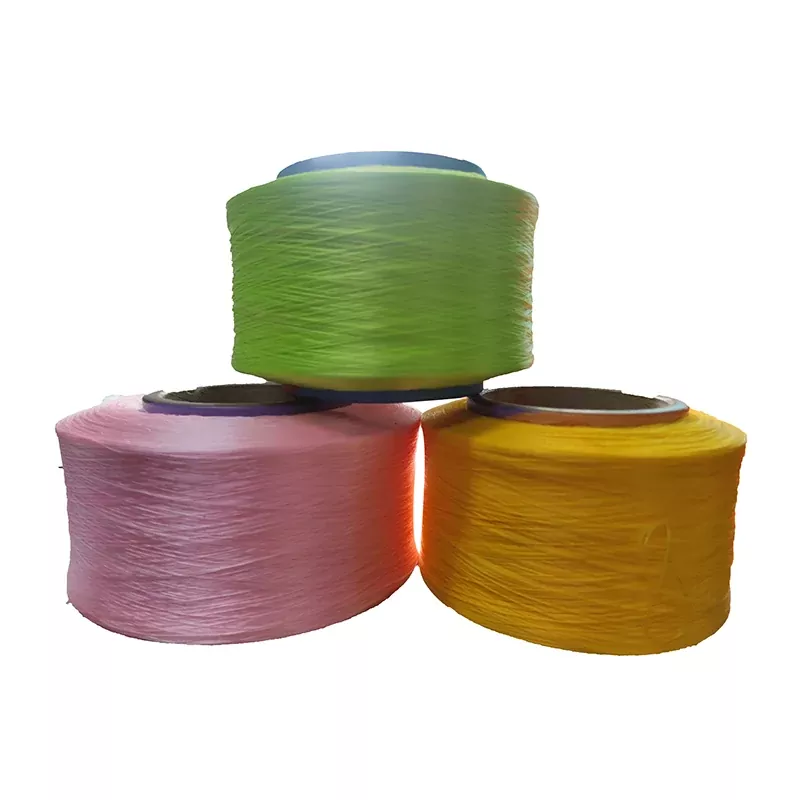
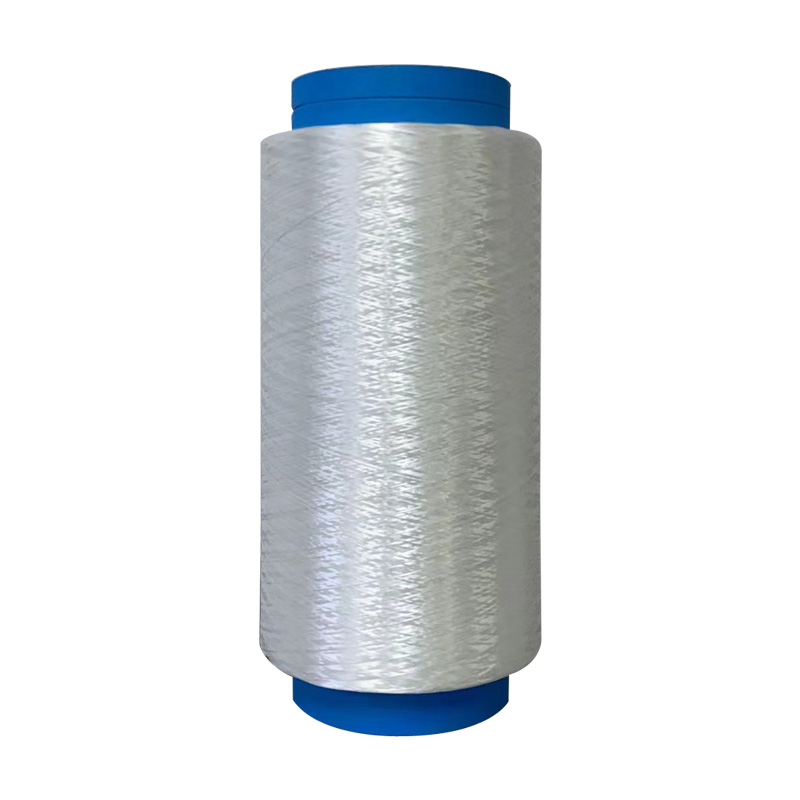
Recycled Unifi Repreve Sorbtek Polyester Yarn for Knitting and Weaving (Certificated: Oeko-tex100/GRS/BCI/GOTS)
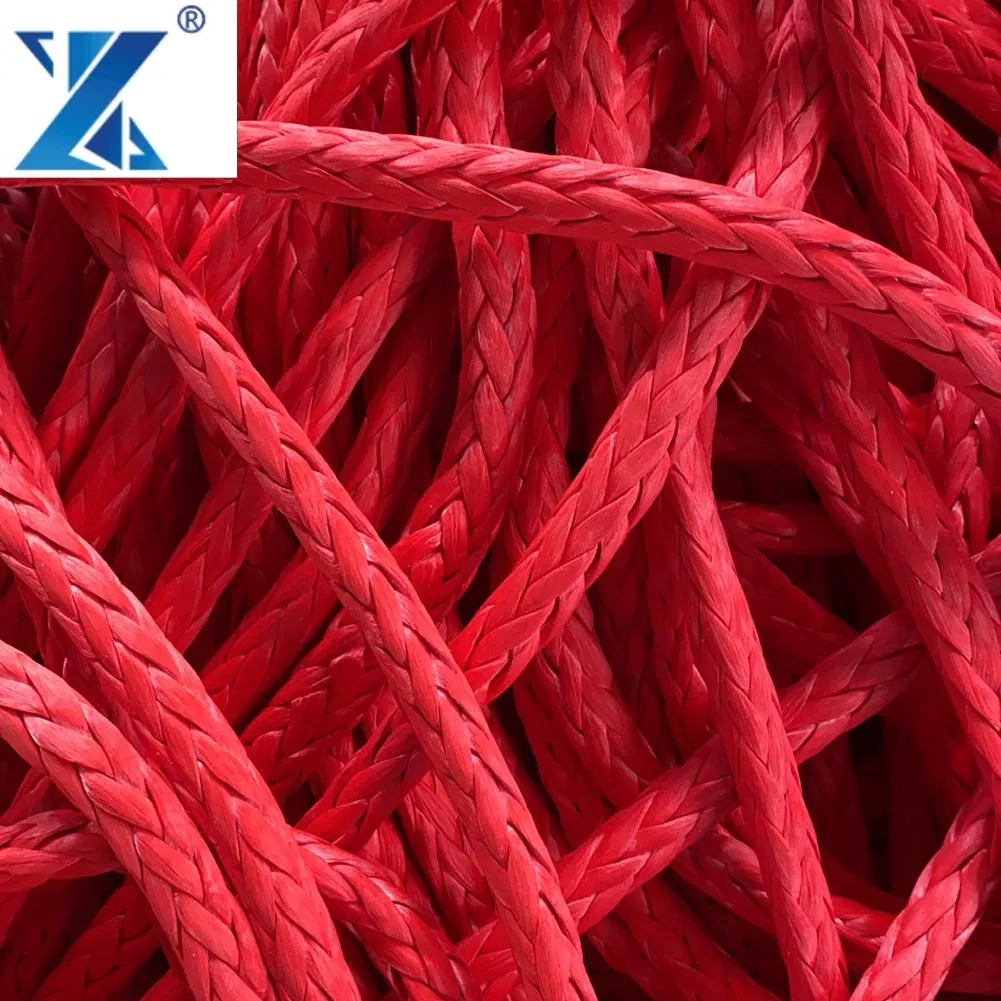
64mm UHMWPE Rope 2200kn Hmpe Cordage Hawser Rigging Rope for Mooring, Towing and Tug Lines, Hoisting and Lifting
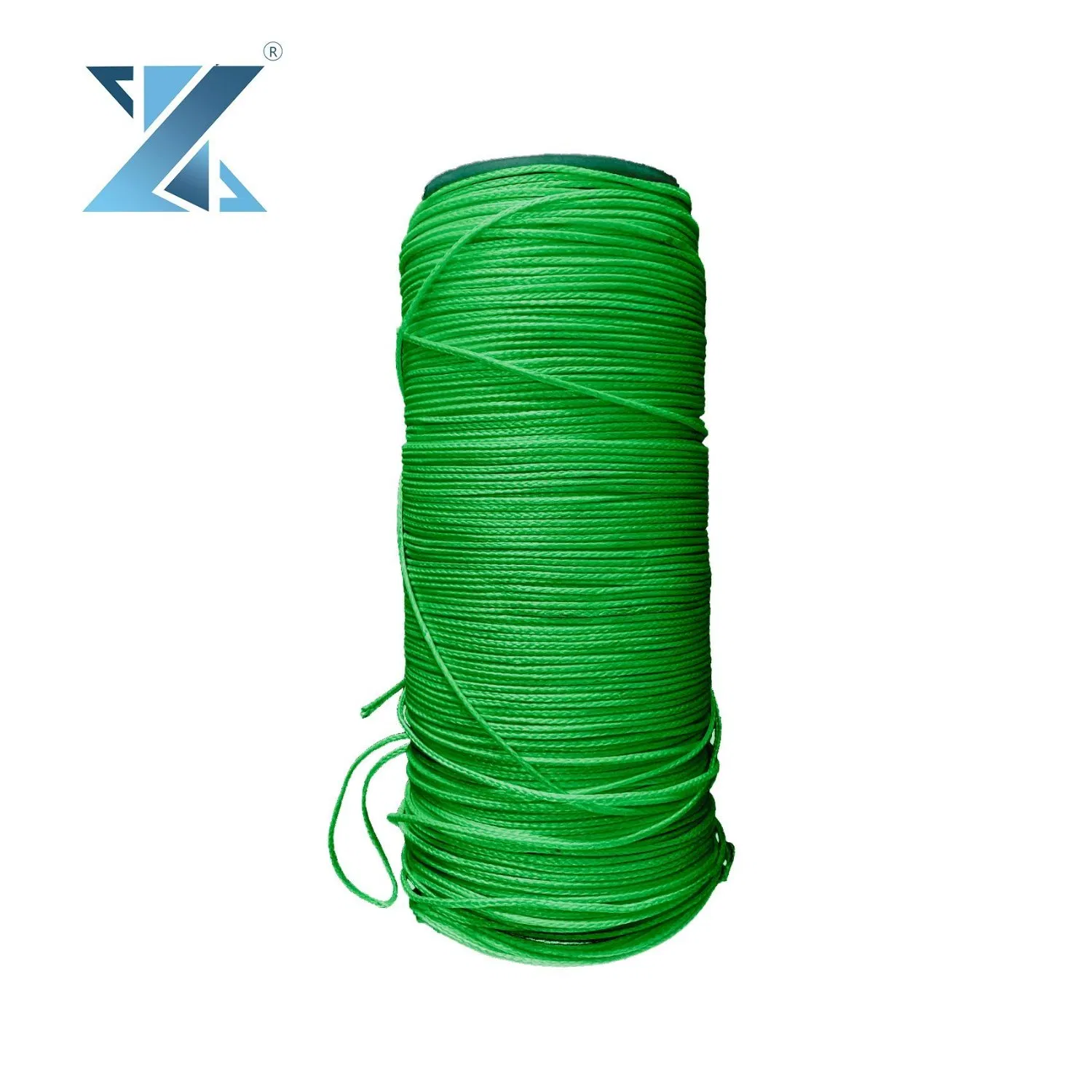
2mm, 3mm, 4mm, Ficelle De Corde Pour Pisciculture, Agriculture, Peche, Decoration, Emballage
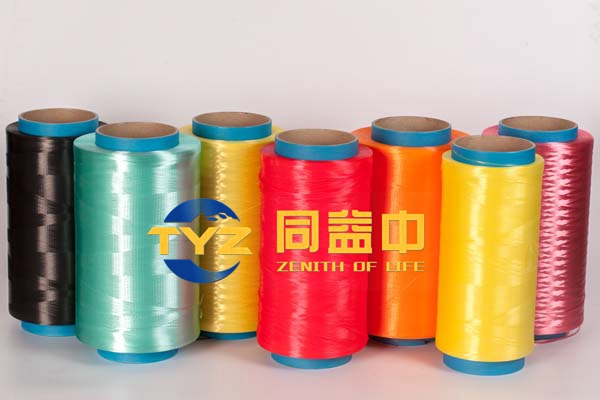
Hmpe/UHMWPE Different Deniers/Dtex /Colors for Ropes/ Cordage /Slings Tyz-PE-C76
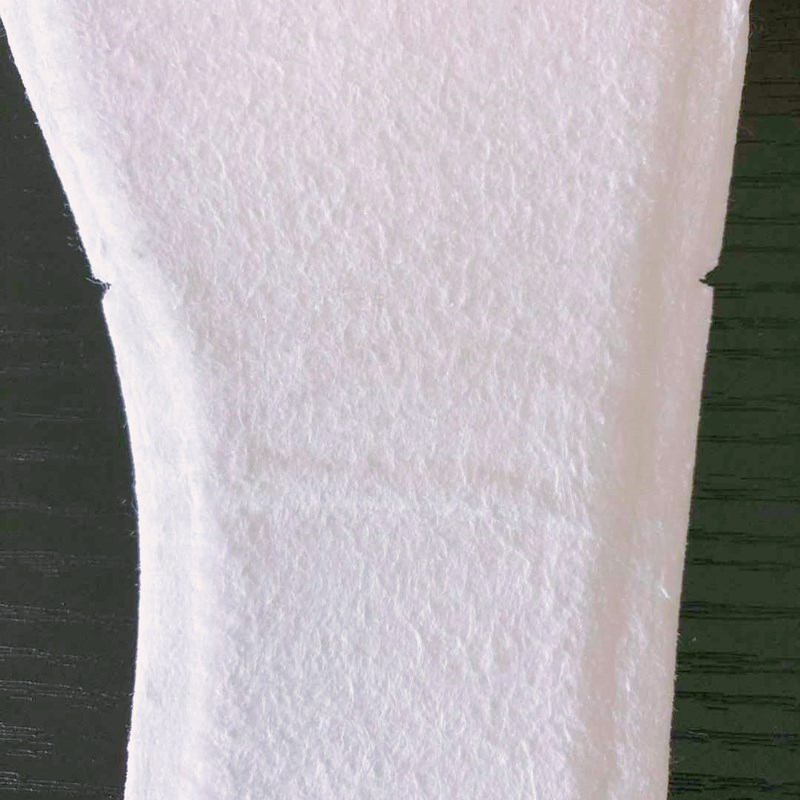
Puncture Resistant Insole Insole for Shoes, Boots Midsole with UHMWPE Fiber
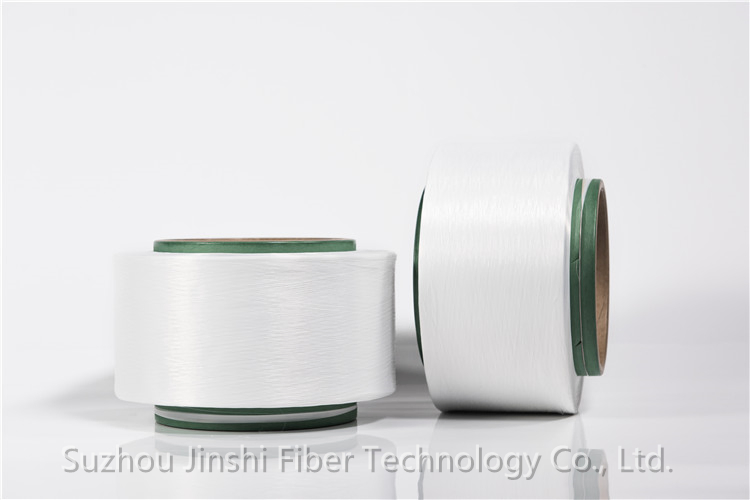
Cheap 100% Polyamide 48d/ 34f Semil Dull Nylon 6 POY Yarn for 40d/3
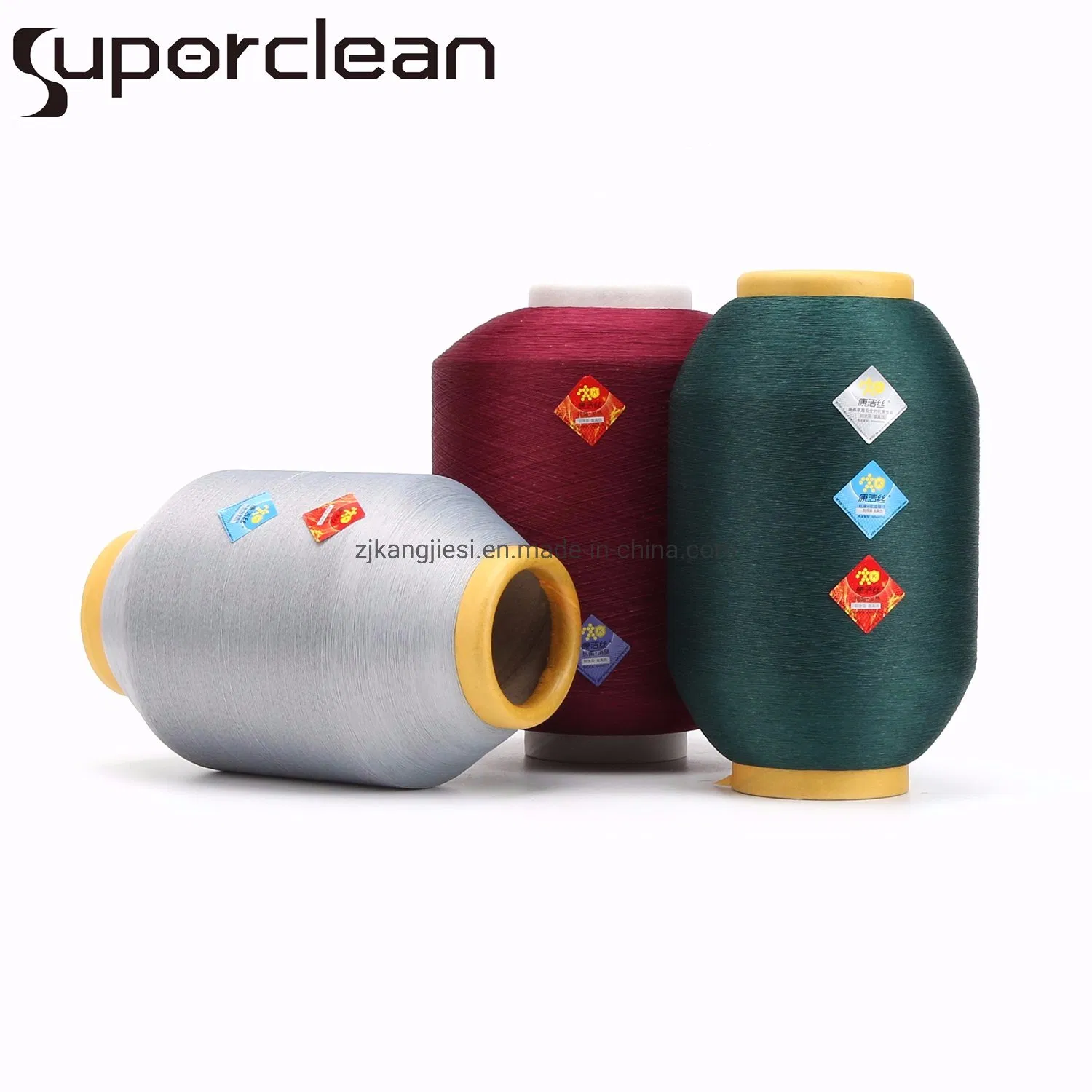
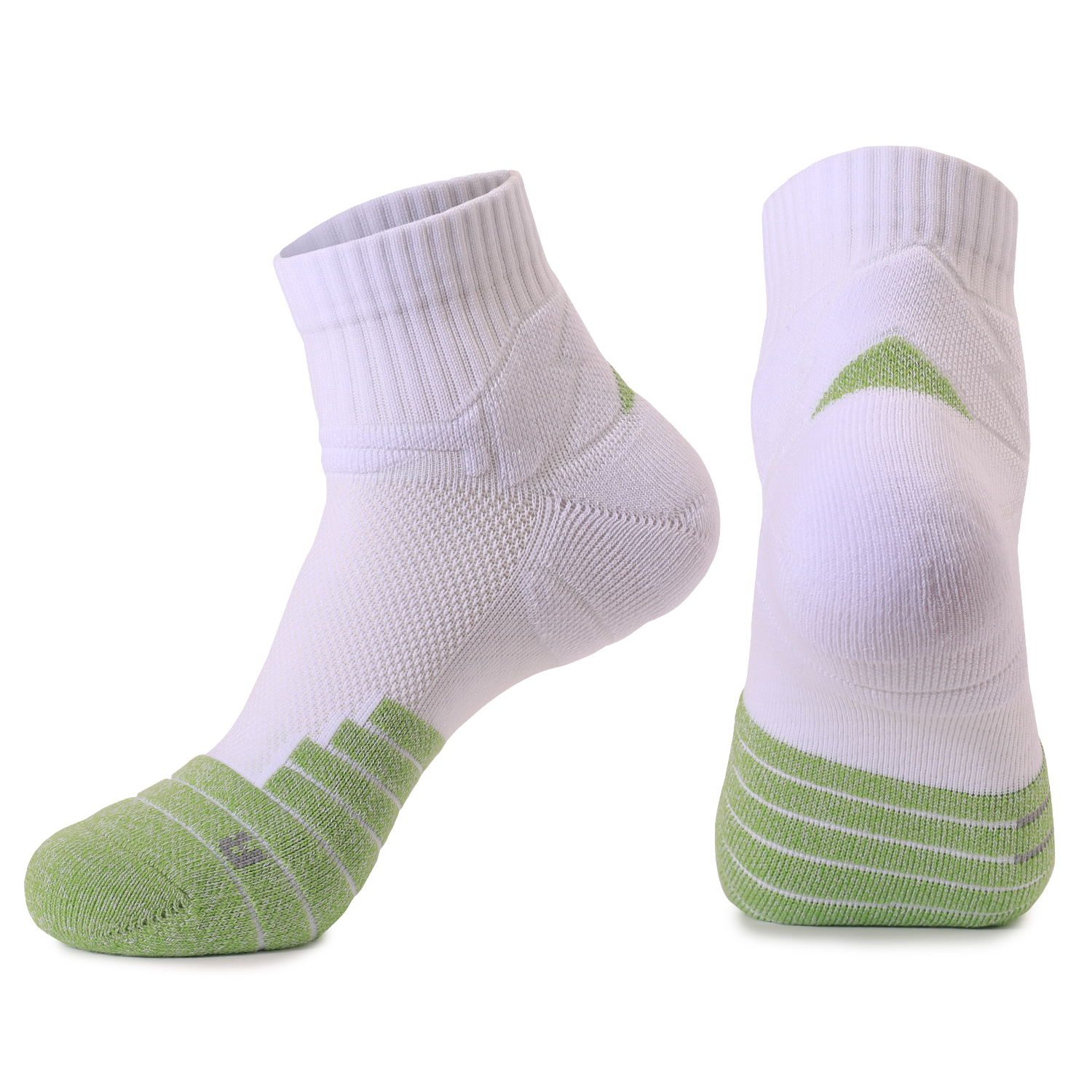
Yarn for Knitting Sock Spandex Covered Polyester Yarn Reliance Polyester Yarn Scy 2040/ 34f
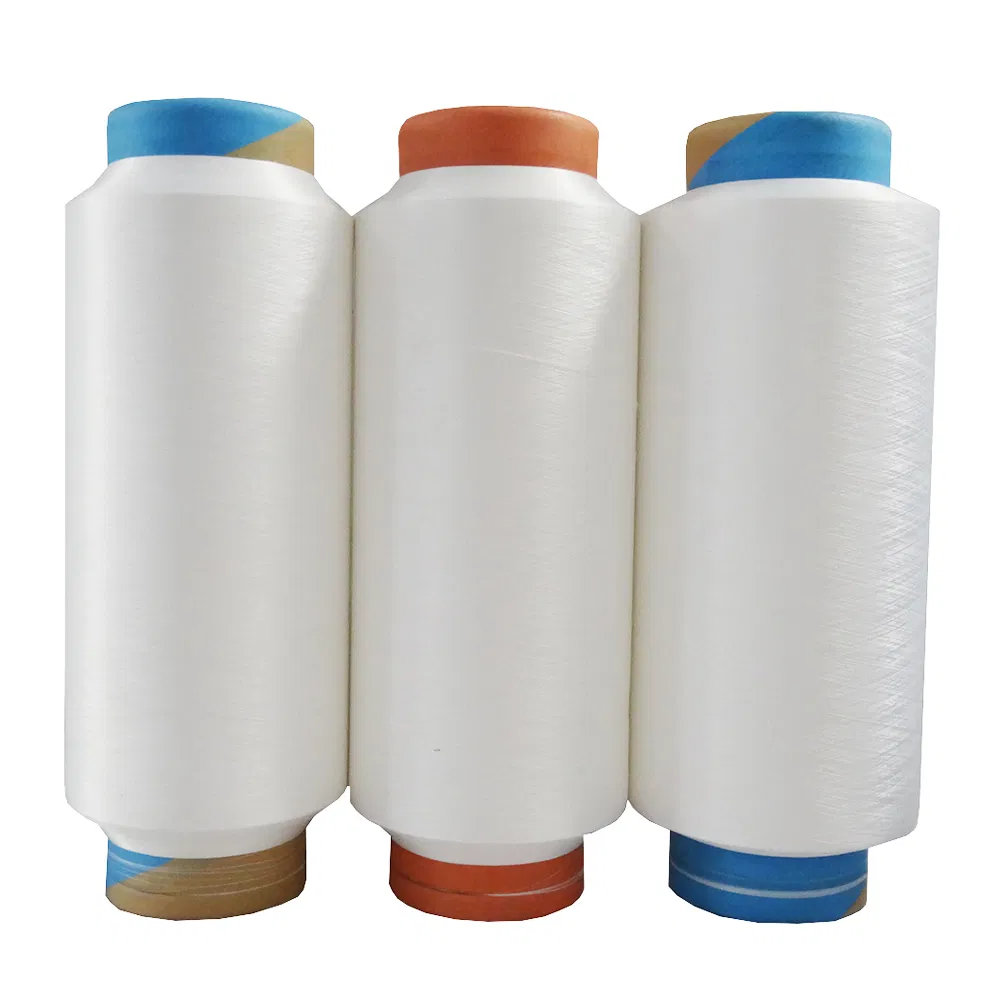
40d/ 34f China High Twist Nylon DTY Yarn for Intimate Clothing
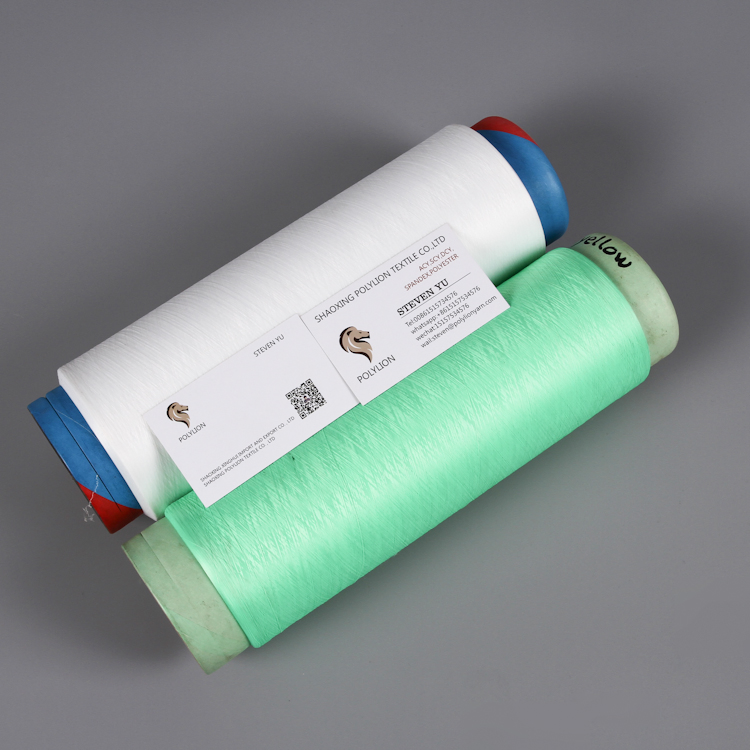
Low Price High Quality Special Specifications 2040/ 34f Scy Single Covered Yarn for Socks
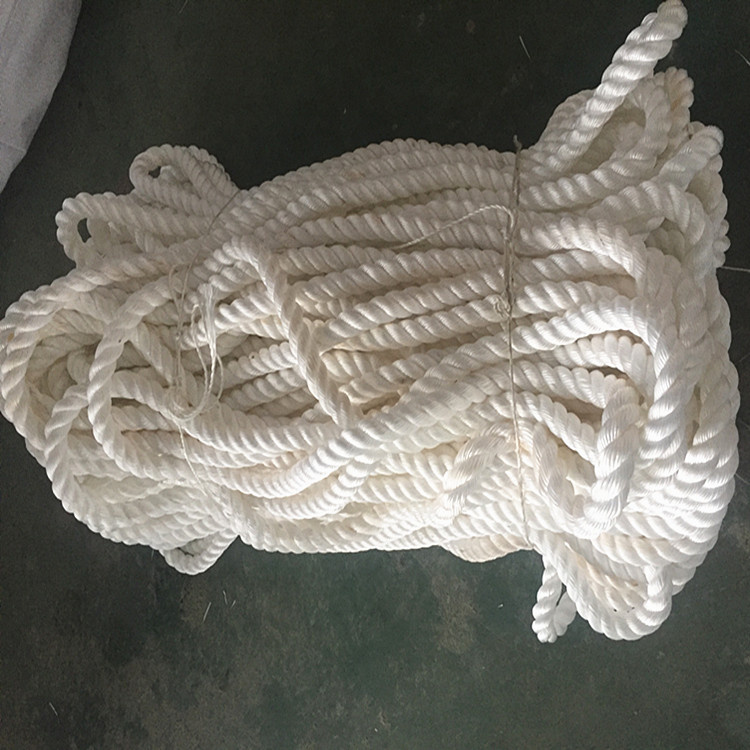
1.5 Inch 100% Nylon Rope for Fishnet
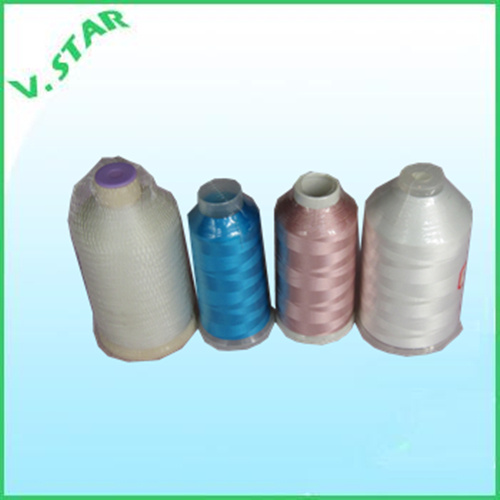
Polyester (PET) Fishnet Twine 210d/2-150ply
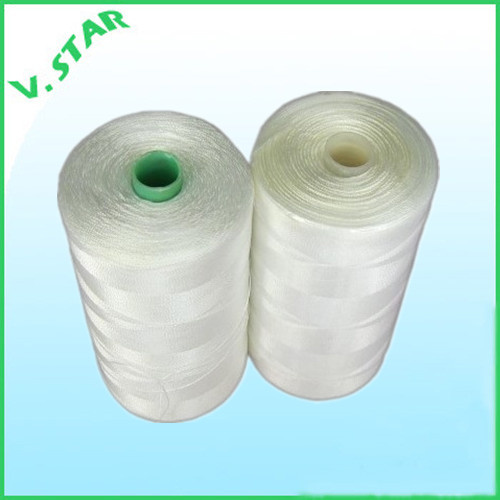
Polyamide (PA) 6 Fishnet Twine/Thread
About Us
Zhejiang Lidu Textile Accessories Co., Ltd. is a modern enterprise specializing in the research, production and sales of textile accessories. Focusing on the high-end textile accessory field, it is committed to providing high-quality supporting products and one-stop services for the clothing, luggage, shoes and hats industries. The company has a professional technical research team and advanced production equipment. Its main products include knitted stretch, shuttleless stretch, woven stretch, reflective fabric, hook-and-loop fasteners (velcro), edge rolling strips, etc. All products have passed multiple international certifications such as European EN471 and OEKO-TEX, and are characterized by environmental friendliness, durability and functionality. The company adheres to the corporate spirit of "striving, dedication, and integrity", oriented towards market demands, emphasizing product innovation and quality improvement, and has established a complete quality control system and after-sales service system. It can provide customized product research and production services according to customer needs. Its business covers regions such as Jiangsu, Zhejiang and Shanghai in China, as well as Henan and other areas, and is also exported to overseas markets such as Ethiopia, Bangladesh and South Africa. With high-quality products, reasonable prices and considerate services, it has become a preferred partner for many textile enterprises and has contributed to the high-quality development of the textile industry.
INQUIRY NOW
New Products
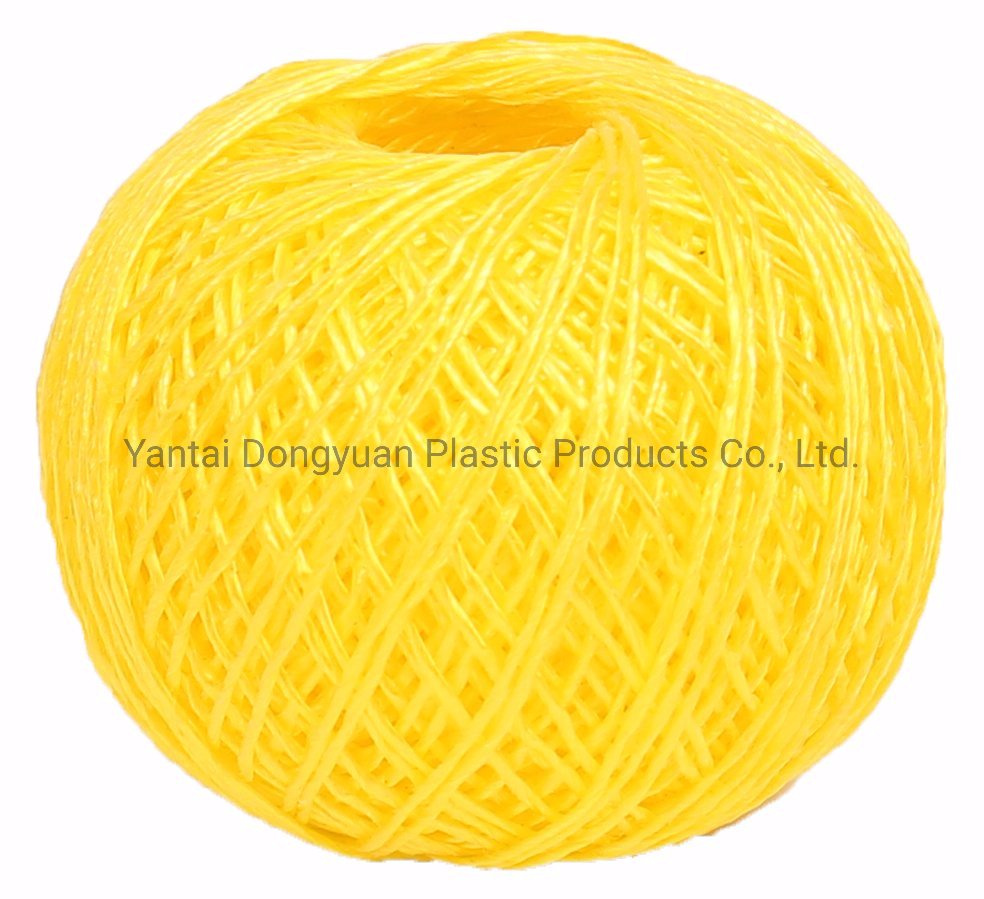
Packing PP Twine String 1mm 2mm 3mm
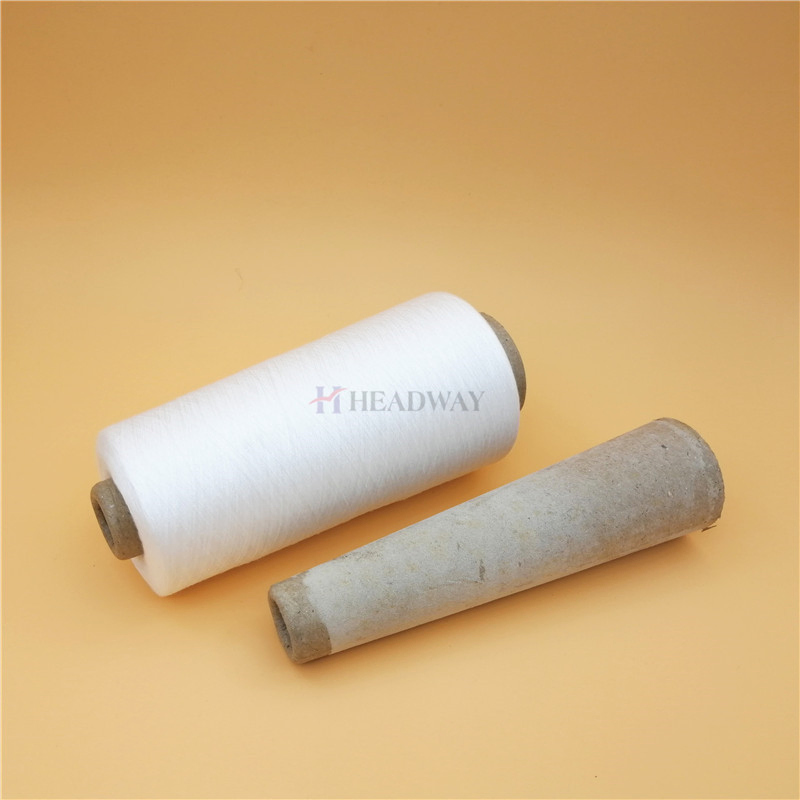
42s /2 45s/2 Raw White 100% Spun Polyester Yarn for Sewing Thread
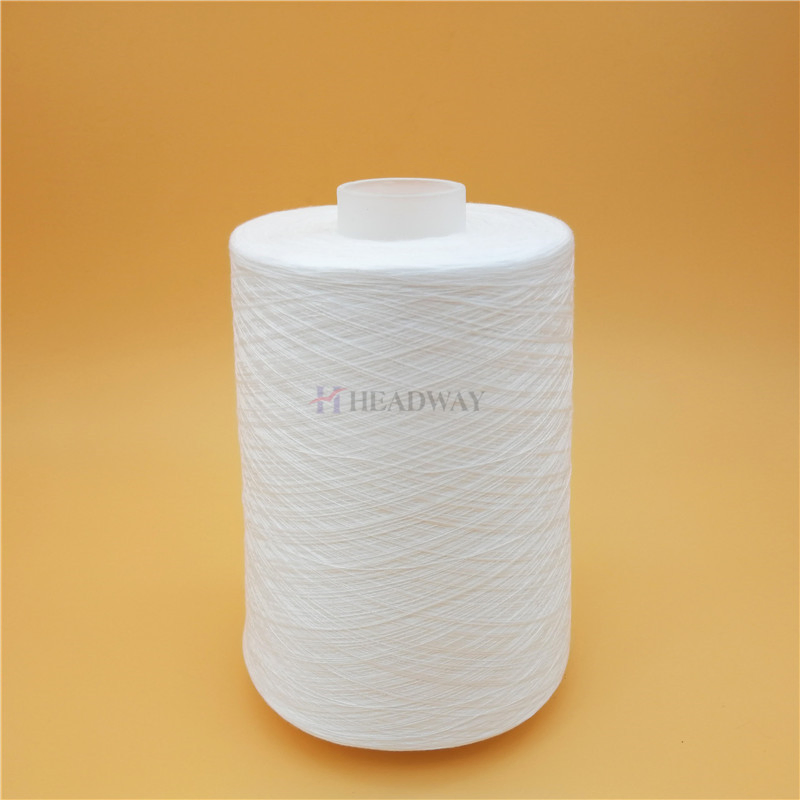
Spun Polyester Yarn/ Sewing Thread Manufacturer 20s/2/3, 40s/2/3, 42s /2, 45s/2, 50s/2/3, 60s/2/3
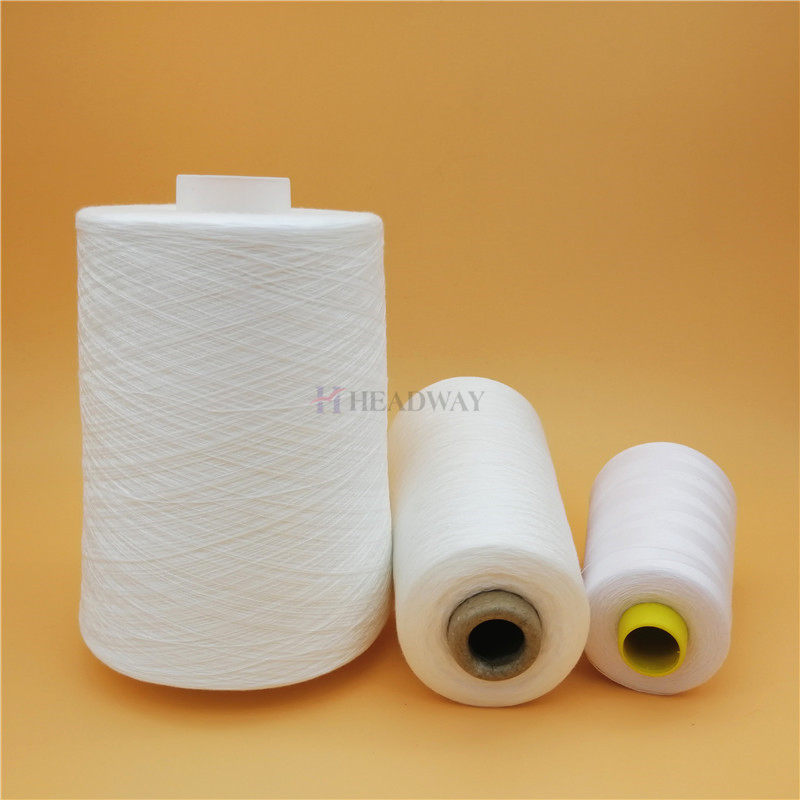
Best Price Super Quality 22s/2 40s/2 42s /2 Raw White 100% Polyester Sewing Thread Manufacture
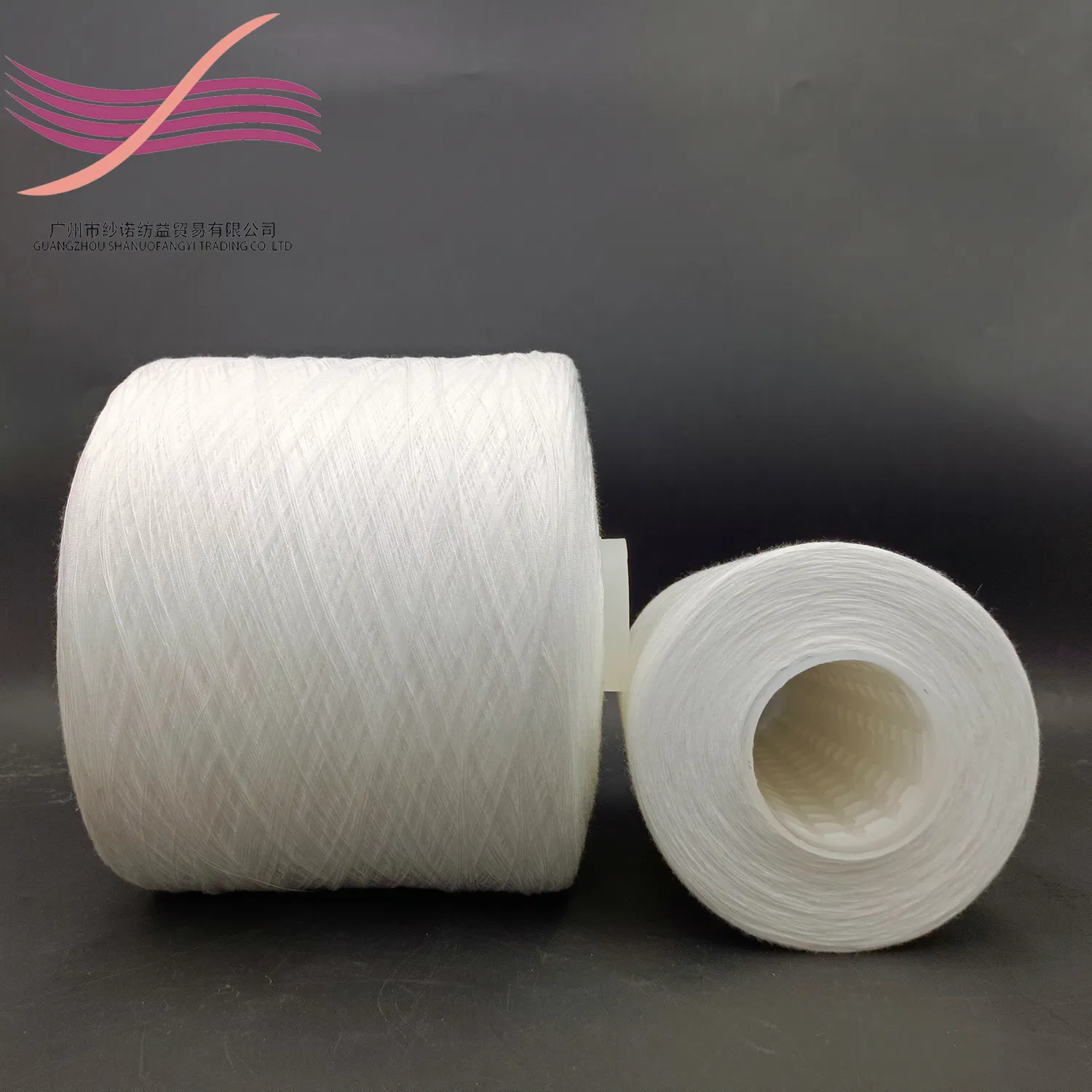
Large Inventory, Factory Direct Sales of High-Strength and High-Quality Raw White 42s / 2 Polyester Sewing Yarn
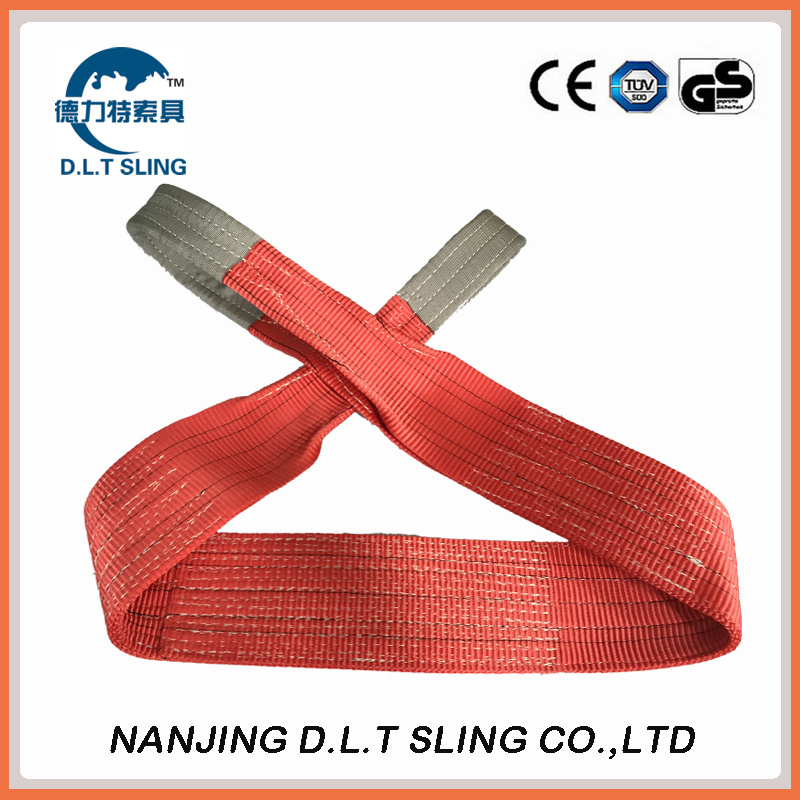
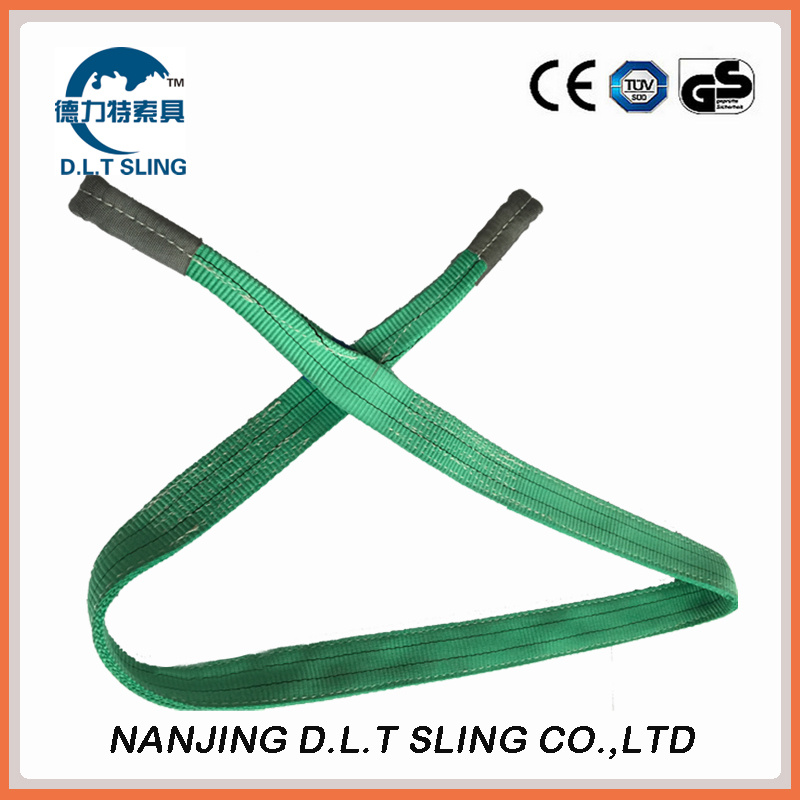
Safety Webbing Sling Duplex Heavy Duty Polyester Web Round
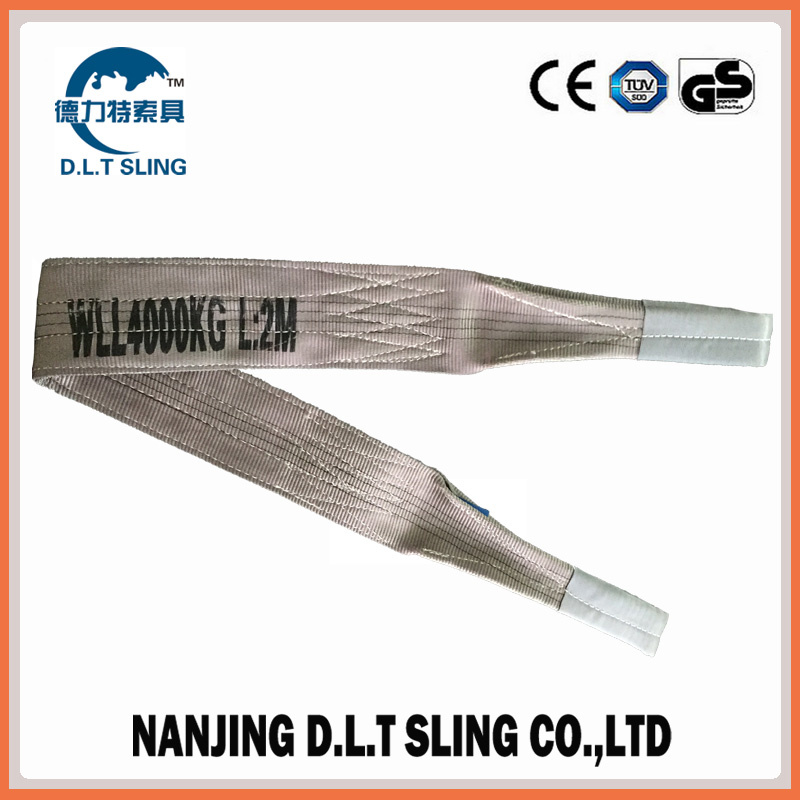
Double Ply Webbing Sling 4 T GS Ce