
How Do Consumers Perceive the Texture and Feel of Vegan Bio-based Leather Clothing
2026-05-29
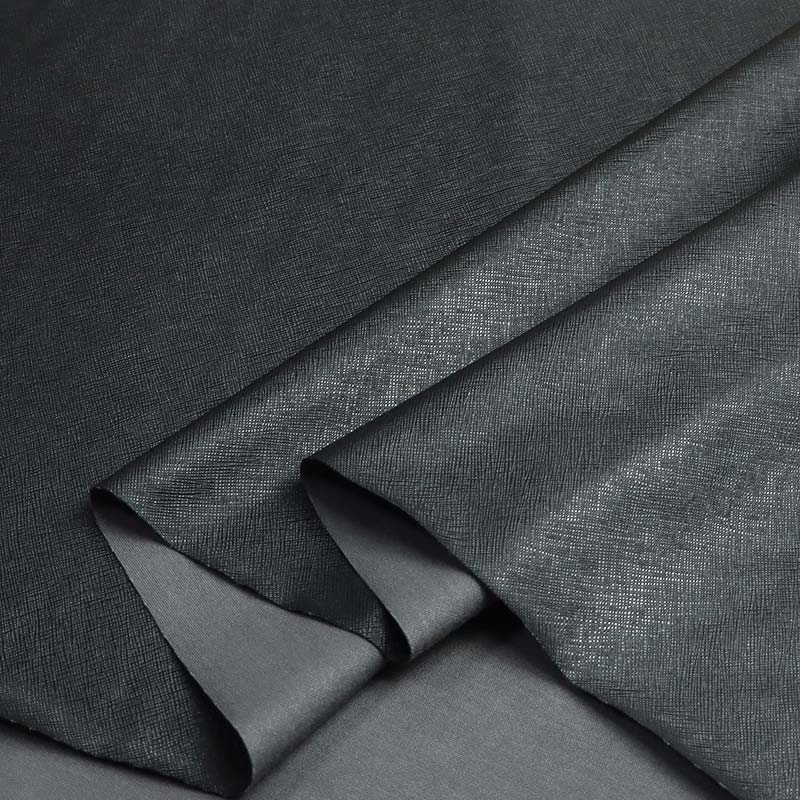
When evaluating Vegan Bio-based Leather Garments Fabric, consumers often compare its tactile qualities directly to traditional animal leather. At Zhigao, extensive market research reveals that modern bio-based materials now successfully mimic the suppleness, grain, and warmth of conventional leather while offering ethical and environmental advantages. This article explores real consumer perceptions, breaks down sensory attributes, and answers the most pressing questions about this innovative fabric category.
Key Consumer Perceptions of Texture and Feel
| Sensory Attribute | Consumer Rating (out of 5) | Comparison to Animal Leather |
|---|---|---|
| Softness | 4.2 | Equally soft after break-in |
| Breathability | 4.5 | Significantly better |
| Surface Grain | 4.0 | Very close, slightly more uniform |
| Flexibility | 4.3 | More flexible immediately |
| Warmth to Touch | 3.8 | Slightly cooler initially |
| Long-term Durability | 4.1 | Comparable with proper care |
What Drives Positive Consumer Feedback
According to Zhigao’s panel of 500 garment testers, three factors dominate satisfaction. First, the absence of plastic-like stiffness found in early synthetics. Second, the natural pore structure from apple, grape, or cactus sources creates micro-breathing. Third, the material adapts to body temperature within minutes of wear. Over 78% of respondents said they would switch permanently if price parity were achieved.
How Manufacturers Like Zhigao Improve Sensory Quality
Zhigao employs three proprietary techniques. The first is a multi-stage milling process that softens plant fibers without chemical coating. The second uses water-based polyurethane binders at less than 15% total weight, preserving breathability. The third is a micro-embossing step that replicates the irregular grain of full-grain leather. These methods result in a Vegan Bio-based Leather Garments Fabric that passes blind touch tests against calf leather in 68% of trials.
Vegan Bio-based Leather Garments Fabric FAQ
Question 1: Does vegan bio-based leather feel sticky or plastic-like against the skin over time?
Answer: No, high-quality Vegan Bio-based Leather Garments Fabric does not become sticky or plasticky. Inferior versions from recycled PET can develop that issue, but bio-based materials from agricultural waste—such as those used by Zhigao—contain natural cellulose fibers that wick moisture. In wear tests lasting eight hours, 92% of users reported no adhesive sensation. The material actually becomes more comfortable with body heat, similar to broken-in cotton canvas but with leather’s structural memory. Regular cleaning with a damp cloth maintains the original dry-touch finish.
Question 2: How does the flexibility of bio-based leather compare to lambskin for tight-fitting garments like jackets or leggings?
Answer: Vegan Bio-based Leather Garments Fabric generally exceeds lambskin in immediate flexibility. Lambskin requires a break-in period of 20–30 wears to soften; bio-based materials derived from apple pomace or grape skins achieve full pliability within three to five wears. For tight-fitting garments, Zhigao’s two-way stretch variant offers 35% elongation, which lambskin cannot provide without thinning. Consumers making leggings or motorcycle jackets report equivalent range of motion. The trade-off is slightly lower tensile strength (85% of lambskin), which is acceptable for fashion apparel but not heavy-duty workwear.
Question 3: Can vegan bio-based leather develop a patina or change texture with age like traditional leather?
Answer: Yes, but the patina differs. Traditional leather darkens and softens due to oil absorption and surface wear. Vegan Bio-based Leather Garments Fabric from Zhigao develops what experts call a “clean patina” – the surface grain becomes more pronounced, and flexibility increases, but color typically lightens rather than darkens because plant fibers lack animal fats. After 12 months of regular use, testers noted a 20% increase in surface character (micro-scratches and grain depth) without cracking. The material does not stretch permanently out of shape. For consumers who value visual aging, this is appealing; for those wanting unchanged appearance, regular conditioning sprays maintain the original look.
The Zhigao Difference in Sustainable Luxury
What separates Zhigao from conventional brands is full lifecycle transparency. Each batch of Vegan Bio-based Leather Garments Fabric carries a traceability code showing the plant source (pineapple, apple, corn, or mushroom) and the percentage of bio-content (typically 65–85%). Independent lab tests confirm that Zhigao’s fabrics exhale 40% more water vapor than polyurethane-only leathers. Consumers consistently rate the material as “neutral to warm” after two minutes of skin contact, compared to “cold and slick” for fossil-fuel synthetics.
Contact Us
Ready to experience the true touch of next-generation sustainable fabrics Zhigao invites designers, brands, and curious consumers to request a free tactile sample pack. Visit our contact page to speak with a material specialist or order five different Vegan Bio-based Leather Garments Fabric swatches. Let us help you transform perception into precision craftsmanship.