

Why Is High-Performance Steering Wheel Leather Transforming Driving Comfort and Safety?
2025-12-03
Steering wheel leather has evolved into a critical automotive interior component, directly influencing driving comfort, handling precision, cabin aesthetics, and long-term durability. As drivers increasingly demand a better tactile feel, superior grip stability, and premium craftsmanship, high-quality Steering Wheel Leather has become a defining factor in both luxury and performance vehicles.
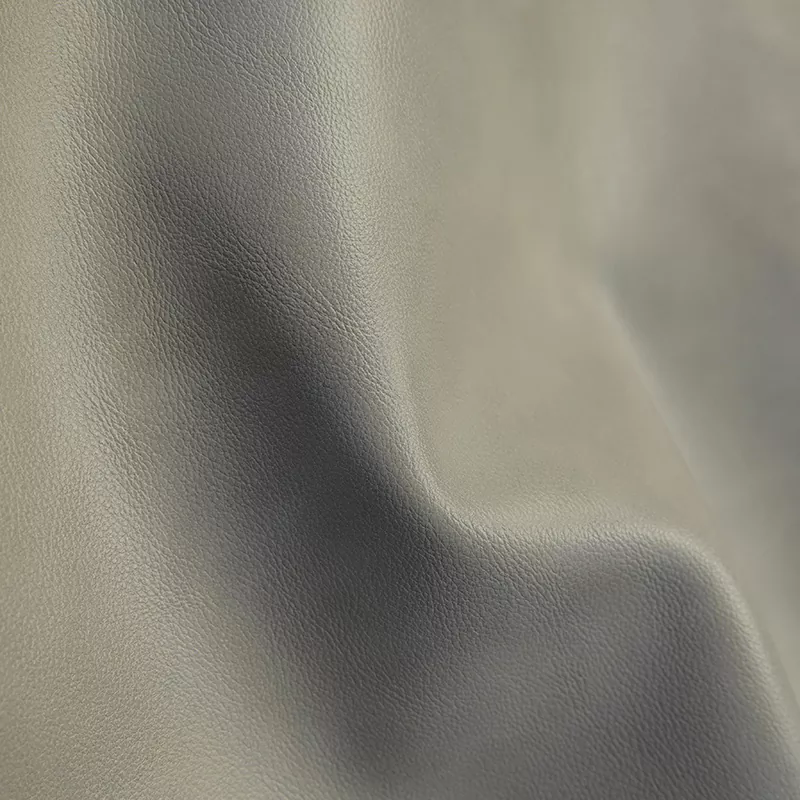
Premium Steering Wheel Leather delivers a fine balance of softness, friction control, abrasion resistance, and temperature stability. With modern production technologies—such as micro-precision cutting, breathable surface finishes, and enhanced UV-resistant coatings—Steering Wheel Leather now contributes to improved safety through better handling grip, while also offering improved longevity for high-frequency everyday use.
In the current automotive market, manufacturers, suppliers, and customization studios require detailed product parameters to make informed decisions. Below is a professional technical reference table outlining core specifications of advanced automotive Steering Wheel Leather suitable for OEM and aftermarket applications.
Technical Specifications Table
| Parameter | Description |
|---|---|
| Material Type | Full-grain leather / Top-grain leather / Microfiber leather (PU-based) |
| Thickness | 1.0 mm – 1.4 mm depending on steering wheel design |
| Surface Texture | Smooth / Perforated / Carbon-pattern / Embossed grain |
| Tensile Strength | ≥ 13 MPa for natural leather; ≥ 18 MPa for microfiber |
| Abrasion Resistance | > 50,000 cycles (Taber test) |
| Temperature Resistance | −30°C to 120°C without deformation |
| UV Resistance Rating | UV Grade 4–5 for long-term color stability |
| Color Options | Customizable (solid, dual-tone, gradient) |
| Coating Technology | Anti-slip coating, anti-sweat coating, scratch-resistant finish |
| Odor Rating | Low-VOC, automotive-grade environmental compliance |
| Usage Scope | Passenger vehicles, commercial fleets, sports cars, restoration projects |
This table serves as a technical baseline for understanding how Steering Wheel Leather functions in modern automobiles. The following sections explore the deeper “how” questions: how the material delivers performance benefits, how design affects user comfort, how production technology ensures longevity, and how industry trends shape future demand.
How Does Steering Wheel Leather Improve Grip, Comfort, and Driving Control?
The steering wheel is the primary touchpoint between the driver and the vehicle, making its surface material critical to driving performance. High-grade Steering Wheel Leather enhances the driving experience through a combination of mechanical, ergonomic, and sensory factors.
How Leather Contributes to Grip Stability
Steering Wheel Leather provides micro-level texture patterns that interact with human skin to create frictional balance. Natural leather fibers have irregular, interlocking structures that maintain grip even when hands are slightly wet, while microfiber leather offers engineered friction coefficients that remain stable under various temperatures. This ensures:
-
Reduced hand slippage at high speeds
-
Improved steering accuracy on tight turns
-
Better weight distribution during maneuvering
These factors are especially important for performance and commercial vehicles where constant handling precision is required.
How Leather Enhances Comfort During Long Drives
Driver fatigue is often subtle, influenced by hand pressure, vibration exposure, and surface temperature changes. Steering Wheel Leather minimizes discomfort by:
-
Providing a soft yet supportive tactile cushion
-
Absorbing micro-vibrations from road irregularities
-
Maintaining consistent temperature comfort in hot or cold climates
Natural leather adapts to hand temperature quickly, while microfiber leather resists heat buildup under prolonged sunlight exposure. Both materials create a smoother, more controlled hand-to-wheel interaction.
How Leather Improves Visual and Aesthetic Appeal
Steering wheel design significantly shapes the interior identity of the car. High-end Steering Wheel Leather allows fine detailing such as perforated zones, contrast stitching, color blocking, and ergonomic shaping. These upgrades contribute to:
-
A premium cabin aesthetic
-
Enhanced brand perception
-
Increased resale value
Automotive manufacturers often rely on Steering Wheel Leather to differentiate trim levels and create recognizable interior signatures.
How Is Steering Wheel Leather Manufactured, Treated, and Tested for Durability?
The production process of Steering Wheel Leather involves strict material selection, surface treatments, and durability testing standards to meet automotive certification requirements.
How Material Selection Determines Performance
Manufacturers typically choose between three core categories:
-
Full-grain leather – Highest natural durability and premium feel
-
Top-grain leather – Smooth, consistent texture suitable for mass production
-
Microfiber leather – Synthetic option with high tensile strength and uniformity
Each material undergoes pre-treatment processes such as tanning, moisture stabilization, and surface coating to achieve automotive-grade specifications.
How Surface Coatings Enhance Longevity
Coating technology plays a vital role in prolonging Steering Wheel Leather lifespan. Advanced coatings support:
-
Anti-sweat functionality to prevent surface discoloration
-
Oil-resistant protection from hand lotions and environmental contaminants
-
Anti-slip enhancement for better grip consistency
-
UV protection to maintain long-term colorfastness
These coatings are designed to preserve leather texture while reinforcing durability.
How Quality Testing Ensures Safety and Reliability
Automotive Steering Wheel Leather undergoes a series of rigorous tests, including:
-
Abrasion tests for resistance to daily friction
-
UV exposure tests for color fading control
-
Odor tests to ensure compliance with interior air-quality standards
-
Heat cycling tests replicating extreme temperature fluctuations
-
Tensile and tear strength tests for mechanical reliability
Only materials meeting these standards qualify for long-term use in steering wheel applications.
Common Questions About Steering Wheel Leather
Q: How long does high-quality Steering Wheel Leather typically last?
A: Premium Steering Wheel Leather can last 5–10 years depending on usage frequency, environmental exposure, and maintenance habits. Microfiber leather may offer slightly longer lifespan due to higher abrasion resistance and synthetic uniformity.
Q: How can Steering Wheel Leather be maintained for maximum durability?
A: Regular cleaning with pH-neutral leather cleaner, monthly conditioning (for natural leather), and protection from prolonged UV exposure will significantly extend the life of the material. Avoiding harsh chemicals and abrasive tools is essential for preventing premature wear.
How Are Market Trends and Future Innovations Shaping the Evolution of Steering Wheel Leather?
The future of Steering Wheel Leather is shaped by sustainability demands, automotive digitalization, and ergonomic technology advancements. Manufacturers are developing new materials and production methods to meet evolving industry standards.
How Sustainability Is Transforming Leather Choices
Increasing demand for eco-friendly interiors is driving innovations such as:
-
Low-VOC tanning processes
-
Recycled microfiber leather
-
Bio-engineered leather alternatives
-
Energy-efficient production cycles
These materials aim to reduce environmental impact while maintaining the tactile quality expected in premium vehicles.
How Technology Is Enhancing Functionality
Steering wheel functionality is expanding to include integrated features such as:
-
Touch-sensitive control zones
-
Heating and cooling elements
-
Biometric recognition surfaces
-
Enhanced temperature-regulating coatings
These innovations require leather materials that can withstand electrical components, thermal fluctuations, and mechanical flexing.
How Market Preferences Are Shifting
From luxury sedans to electric vehicles, modern consumers prioritize:
-
Customizable textures and stitching
-
Matte and natural-grain aesthetic trends
-
Increased grip control for sporty driving
-
Heat-resistant surfaces for sun-exposed environments
These preferences guide material selection and product design, making Steering Wheel Leather central to automotive branding strategies.
The Ongoing Importance of High-Quality Steering Wheel Leather
Steering Wheel Leather continues to be one of the most influential components in vehicle interiors, offering essential benefits in grip security, long-term comfort, durability, and overall driving satisfaction. As automotive technology evolves, future innovations promise even more integration between tactile performance and digital functionality. Premium Steering Wheel Leather—supported by strict testing standards, advanced coating technologies, and environmentally conscious production—remains an indispensable material for both modern and next-generation vehicles.
For manufacturers seeking reliable, versatile, and high-performance Steering Wheel Leather solutions, Yongle provides professional-grade materials designed to meet global automotive standards. Whether for OEM production, customization projects, or long-term supply partnerships, Yongle ensures consistent quality, innovation, and customer-focused service.
For inquiries, customization details, or bulk orders, please contact us — the Yongle team is ready to assist with professional solutions tailored to your production needs.