

Why Does Working Glove Yarn Matter So Much When Buyers Need Reliable Hand Protection?
2026-04-09
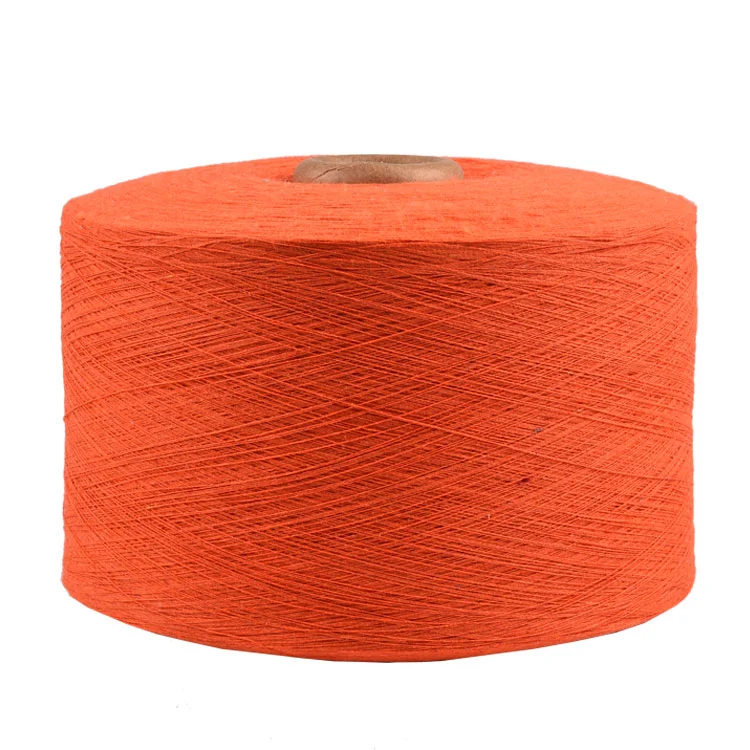
When I look at what makes a pair of work gloves truly dependable, I do not start with the coating or even the finished appearance. I start with the yarn. Over time, I have found that the performance of gloves in factories, warehouses, construction sites, logistics centers, and general industrial environments is closely tied to the quality of Working Glove Yarn. That is also why companies such as Cai Kingdom Group Co., Limited have drawn attention from buyers who care about consistent glove production, stable quality, and practical wearing comfort rather than empty promises. A good yarn choice does not simply support glove manufacturing. It directly affects durability, flexibility, fit, breathability, cost control, and the end user’s daily experience.
What Problems Do Buyers Usually Face When They Choose Glove Materials?
I often see buyers run into the same problems when sourcing yarn for glove production. On paper, many materials may look similar. In actual use, however, the difference becomes obvious very quickly.
- Some yarns feel rough and reduce wearing comfort during long shifts
- Some yarns lack strength and cause gloves to wear out too quickly
- Some yarns create unstable knitting performance and reduce production efficiency
- Some yarns do not balance softness and structure well, leading to poor glove shape
- Some yarns perform inconsistently between batches, which creates avoidable complaints
These issues are not small. For distributors, importers, and glove manufacturers, one material problem can trigger delayed orders, returns, extra labor costs, and even damage to customer trust. That is why choosing the right Working Glove Yarn is not just a technical decision. It is a business decision.
How Can The Right Working Glove Yarn Improve Glove Performance In Real Applications?
In my view, yarn is the structural foundation of knitted work gloves. If the foundation is weak, the glove may look acceptable at first but fail under real working conditions. A well-made yarn supports the glove from the inside out.
When I evaluate glove yarn, I usually focus on the following practical results:
- Better abrasion resistance so gloves last longer in repeated use
- Stable elasticity and recovery so gloves keep a comfortable fit
- Improved softness so workers can wear them longer without discomfort
- Consistent knitting performance so factories reduce machine issues
- Balanced breathability so gloves remain more comfortable in daily work
If a yarn can support these areas at the same time, glove producers gain a real advantage. They are able to offer products that not only look professional but also perform well in the hands of actual workers.
Why Do Comfort And Durability Need To Be Balanced Instead Of Chosen Separately?
One mistake I often notice in the market is the idea that buyers must choose either durability or comfort. In practice, that is not a very useful way to think. Workers do not want gloves that are tough but stiff. They also do not want gloves that feel soft but wear out too fast. The goal is balance.
A reliable Working Glove Yarn helps create that balance. It gives glove manufacturers the chance to make products that can handle frequent friction while still feeling manageable during repetitive hand movement. This matters a lot in sectors such as:
- Construction and building materials handling
- Automotive assembly and parts processing
- Warehousing and logistics operations
- General manufacturing and maintenance work
- Agriculture and light industrial tasks
In all of these environments, glove comfort influences worker acceptance, while glove durability influences purchasing frequency and total cost. Buyers who understand this usually pay closer attention to yarn selection early in the sourcing process.
Which Features Should I Compare Before I Source Glove Yarn In Bulk?
Before placing a bulk order, I would always compare more than just price. Low price may seem attractive at first, but it can become expensive once quality instability begins to affect production and customer satisfaction.
| Comparison Point | Why It Matters | Impact On Finished Gloves |
|---|---|---|
| Yarn strength | Helps reduce breakage during knitting and use | Improves service life and structural stability |
| Softness | Affects wearing comfort during long shifts | Makes gloves easier to wear for extended periods |
| Evenness | Supports smooth machine operation and uniform glove production | Improves appearance and batch consistency |
| Elastic recovery | Helps gloves maintain shape after repeated use | Supports fit and hand movement |
| Breathability support | Contributes to user comfort in active work settings | Reduces heavy, stuffy glove feel |
| Batch stability | Protects manufacturing schedules and quality control | Reduces complaints and production variation |
When I compare suppliers through this lens, I get a much clearer picture of long-term value. A dependable Working Glove Yarn should support manufacturing efficiency and end-use reliability at the same time.
How Does Stable Yarn Quality Help Glove Manufacturers Reduce Production Risk?
This is one of the most overlooked points in sourcing. Buyers often focus on the finished glove sample, but they do not always ask what happens during actual mass production. That is where yarn consistency becomes critical.
If yarn quality fluctuates, production teams may face:
- Unexpected yarn breakage during knitting
- Higher machine downtime
- More defective gloves
- Slower output during large-volume runs
- More difficulty maintaining the same glove standard across orders
From my perspective, reducing those risks is one of the strongest reasons to invest in better material sourcing. It is not only about product performance after shipment. It is also about smoother factory operations before shipment. That is why experienced buyers usually look for a supplier relationship that supports repeatability, not just one-time quotations.
What Makes A Good Supplier More Valuable Than A Cheap Quote?
I have always believed that material sourcing works best when the supplier understands application needs rather than simply pushing inventory. In the glove sector, this matters even more because the yarn must match both manufacturing requirements and actual wearing conditions.
A capable supplier can usually offer value in several ways:
- More stable raw material control
- Clearer communication about yarn characteristics
- Better support for repeat orders
- More dependable quality management
- Greater flexibility for market-specific glove needs
That is one reason why a company like Cai Kingdom Group Co., Limited can naturally become relevant in buyer discussions. When a supplier focuses on practical yarn performance for glove applications, buyers can build product lines with more confidence. In international trade, that confidence matters almost as much as the material itself.
Can Better Working Glove Yarn Help Buyers Serve Different Market Segments?
Yes, and I think this is where sourcing strategy becomes especially interesting. Not every buyer serves the same market. Some need entry-level general work gloves. Some need gloves for industrial distribution. Others target private label opportunities or specialized end users who care more about feel, wear life, and production consistency.
A more reliable Working Glove Yarn gives buyers room to build multiple product tiers. That makes it easier to respond to different price levels and customer expectations without losing control of base quality.
| Market Segment | What Buyers Usually Need | How Quality Yarn Supports The Goal |
|---|---|---|
| Entry-level wholesale | Stable quality with reasonable cost | Helps maintain acceptable durability and production efficiency |
| Industrial distribution | Reliable wear performance and consistent supply | Supports repeat orders and customer trust |
| Private label programs | Uniform product quality across batches | Improves brand reputation and complaint control |
| Mid-to-high-end applications | Better comfort, fit, and glove structure | Creates a stronger user experience and perceived value |
For me, this flexibility is a major reason why yarn selection deserves more strategic attention than it usually gets.
Why Do End Users Notice Yarn Quality Even If They Never See The Raw Material?
Most workers never ask what yarn was used in their gloves. Even so, they feel the result every day. They notice whether gloves fit well, stay comfortable, resist wear, and remain usable during repetitive handling tasks. In other words, they may not know the yarn specification, but they absolutely know the glove experience.
That experience often shapes reorder behavior. If workers dislike the glove, companies hear about it quickly. If gloves wear out too fast, replacement costs rise. If gloves feel too rigid, compliance may drop because workers remove them more often than they should. All of that can be influenced by the base yarn.
This is why I see Working Glove Yarn as more than a production input. It is a hidden performance driver that affects user satisfaction, operational practicality, and long-term purchasing decisions.
How Can Buyers Judge Long-Term Value Instead Of Only Immediate Cost?
I usually suggest looking at total value over the full lifecycle of the glove program rather than at the opening unit price alone. A slightly better yarn can create savings in several places that do not appear in the first quotation sheet.
- Lower defect rates during production
- Fewer complaints from distributors or end users
- Better repeat purchasing because product performance stays dependable
- Reduced replacement frequency if gloves last longer
- Stronger market positioning through more reliable glove quality
When I frame the decision this way, the value of good yarn becomes much clearer. The smartest sourcing decisions are often the ones that reduce friction across the whole supply chain, from knitting to packaging to final use.
What Should I Ask Before Choosing A Working Glove Yarn Supplier?
Before moving forward with a supplier, I would ask practical questions that reveal whether they understand glove performance and batch reliability.
- Can they provide stable quality for repeat production?
- Do they understand the performance needs of work glove applications?
- Can they support different market demands with suitable yarn options?
- Are they prepared to communicate clearly during the order process?
- Do they focus on long-term cooperation instead of only a first sale?
These questions help separate real manufacturing value from surface-level sales language. In a competitive market, buyers usually do better when they choose a supplier who can support growth, consistency, and problem prevention.
Why Is Now A Good Time To Upgrade My Glove Material Strategy?
Buyer expectations are getting more practical, not less. Customers want gloves that feel better, last longer, and arrive with dependable consistency. At the same time, manufacturers want production processes that stay efficient and predictable. That combination puts more pressure on raw material selection.
For that reason, I believe more sourcing teams are starting to treat Working Glove Yarn as a strategic product category rather than a routine purchase item. Once buyers realize how strongly yarn influences glove quality, it becomes easier to justify choosing a better partner and a more dependable material solution.
How Can I Move Forward If I Want More Reliable Glove Production?
If I were looking to improve glove quality, reduce sourcing uncertainty, and build a more competitive product line, I would begin with the yarn. A dependable supplier and a well-matched Working Glove Yarn can help solve problems before they become expensive. That is exactly why many buyers take a closer look at suppliers such as Cai Kingdom Group Co., Limited when they want glove materials that support real manufacturing needs and real market expectations. If you are planning your next glove project or want to improve the performance and consistency of your current glove line, now is the right time to contact us, send your inquiry, and discuss the right yarn solution for your market.