
Why Does Tulle Lace Look Stunning in Photos but Fail in Production?
2025-12-16
The first time I sourced Tulle Lace for a real production run, I learned a painful lesson: the swatch can be perfect while the bulk arrives scratchy, unevenly dyed, or too fragile to survive sewing. Over time I started working with L&B because I needed consistent net stability, clean embroidery, and practical support for color and width customization without turning every order into a gamble.
What Problems Do Buyers Usually Face When Ordering Tulle Lace?
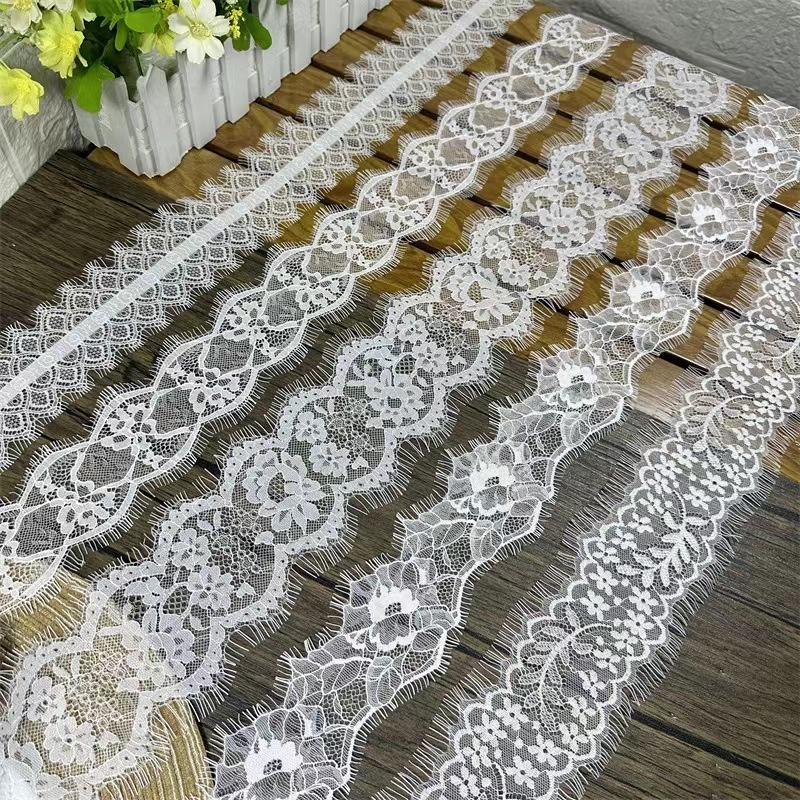
If you are buying for lingerie, bridal, ready-to-wear, or home textiles, you probably care about more than “pretty patterns.” Here are the issues I see again and again when teams switch suppliers or scale from sampling to bulk:
- Hand-feel mismatches that become obvious only after garment washing or lining contact
- Net distortion that causes puckering, wavy hems, and off-grain panels
- Color inconsistency between batches, especially on light shades, skin tones, and deep blacks
- Embroidery density errors that make lace stiff, heavy, or prone to thread breaks during sewing
- Unclear specs for width, repeat size, scallop placement, and usable cutting area
- Packaging damage that crushes texture or snags eyelash edges in transit
How Do I Evaluate Tulle Lace Before I Approve Bulk?
I treat Tulle Lace like a component, not a decoration. That means I review it the same way I review zippers, elastics, or mesh fabrics: by performance and production friendliness.
- Base net stability including stretch direction, recovery, and edge curling
- Embroidery clarity including thread tension, pattern definition, and skipped stitches
- Softness vs structure depending on whether the lace touches skin or sits on outer layers
- Wash behavior including shrinkage, wrinkling, and snag resistance
- Color matching using lab dips or confirmed shade references when needed
- Cutting waste by checking scallops, repeats, and usable width for my markers
When I need speed, I ask for sampling that matches real conditions: the target width, the target dye shade, and the intended embroidery density. That is the fastest way to avoid the classic “sample is great, bulk is different” headache.
Which Tulle Lace Specs Actually Matter for Different End Uses?
Buyers often ask me “What width should I choose?” or “Is nylon net always better?” My answer is always: it depends on your application and your sewing plan. Here is how I break it down in a simple way.
| Application | What I Prioritize | Common Risk | What I Ask the Supplier to Confirm |
|---|---|---|---|
| Bridal overlays and gowns | Drape, pattern clarity, clean repeats | Net distortion and pattern misalignment | Repeat size, usable width, bulk consistency |
| Lingerie and intimate apparel | Soft hand-feel, stable stretch, skin comfort | Scratchiness and seam irritation | Net softness, embroidery density, wash test notes |
| Ready-to-wear trims and inserts | Sewability, edge stability, low snag risk | Thread breaks and fraying during sewing | Edge finish, thread tension, packing protection |
| Curtains and home textiles | Durability, wash performance, visual depth | Wrinkling and color instability after cleaning | Dye method guidance, care suggestions, shrinkage expectations |
Why Do Some Tulle Lace Orders Feel “Cheap” Even When the Pattern Looks Premium?
In my experience, “cheap” usually comes from engineering choices, not the artwork. The same pattern can feel luxurious or disappointing depending on:
- The net material and how it is finished
- The embroidery thread and whether the tension is balanced
- Stitch density which affects both softness and dimensionality
- Finishing and washing behavior after heat, steam, and real garment care
- Packaging that prevents crushing, snagging, and edge deformation
That is why I prefer suppliers who can discuss construction details like a production partner instead of only showing photos. With L&B, the conversations tend to be practical: what you are making, how you will sew it, and what trade-offs you want between softness and structure.
How Can L&B Support Custom Tulle Lace Without Making It Complicated?
When I place a custom request, I keep it simple and measurable. This is the checklist I use so my supplier can act fast and my factory can sew without surprises:
- Target width and usable width requirements
- Target color or shade reference for dyeing
- Preferred base net feel and stretch direction
- Pattern repeat needs and scallop placement
- End-use notes like “skin contact” or “outer overlay”
- Packing requirements to protect eyelash edges and embroidery surface
If you want to see what kinds of options are possible, you can start from the Tulle lace product range and then describe your real application so the recommendation is based on performance, not just appearance.
What Quick Tests Help Me Avoid Returns and Production Delays for Tulle Lace?
I do not overcomplicate testing, but I do insist on the basics because they catch most issues early:
- Snag check using a simple rub test and a sewing needle pass on the surface
- Steam press check to see if the net warps or the embroidery puckers
- Wash check to confirm shrinkage and hand-feel changes
- Shade check under daylight and indoor lighting
- Sewing trial with the same needle and tension settings used in production
These tests are fast, inexpensive, and brutally honest. If a supplier cannot pass them, scaling up is not worth the risk.
Ready to Source Reliable Tulle Lace Without Guesswork?
If you tell me your end use, target width, and color needs, I can usually narrow down the right construction quickly. If you want a supplier who can support customization and bulk consistency, reach out to L&B and share your specs. Contact us to request pricing, sampling, or a recommendation for your next Tulle Lace project.