
Why Does a Reliable Warp Stop Bar Matter More Than Most Weaving Mills Expect?
2026-03-18
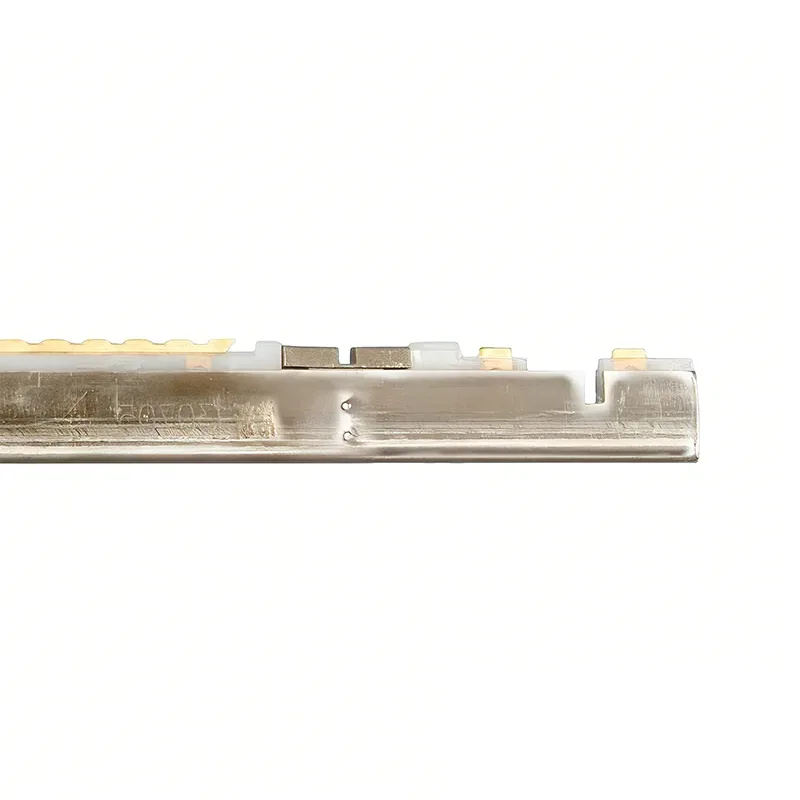
When I look at weaving efficiency from the shop-floor perspective, I do not see performance as a simple matter of loom speed. I see it as a balance between uptime, yarn protection, operator response, and long-term maintenance cost. That is why Changshu Changxin Textile Equipment Co., Ltd. gradually comes into focus for mills that want practical improvements instead of empty promises. In daily production, a well-made Warp Stop Bar can make the difference between stable fabric output and repeated stoppages, missed defects, and wasted labor.
I have found that many mills do not struggle because their looms are outdated. They struggle because small but critical components fail to support continuous, high-quality operation. A poorly matched or unstable Warp Stop Bar can lead to false stops, delayed detection, difficult troubleshooting, and unnecessary yarn waste. That pain is expensive, especially when operators are under pressure to keep machines running and orders moving.
Why Do So Many Weaving Problems Start With Detection Rather Than Speed?
In many plants, managers first blame output pressure, worker turnover, or machine settings when production quality becomes inconsistent. But in reality, the first breakdown often happens at the detection stage. If warp abnormalities are not identified quickly and accurately, the loom continues running for too long, defective fabric accumulates, and operators lose time searching for the root cause.
That is where a dependable Warp Stop Bar becomes valuable. I see it not as a minor accessory, but as a control point that helps mills react earlier, reduce quality risk, and keep the weaving line more predictable. When a break or slack issue is discovered faster, the operator can intervene sooner, piecing time is shortened, and the cost of avoidable rework goes down.
What Do Buyers Usually Want From a Warp Stop Bar In Real Production?
Most buyers are not looking for abstract technical language. They usually want answers to very practical questions. Will the product remain stable during long shifts? Will it resist dust, moisture, and workshop wear? Will it fit existing loom requirements with less trouble? Will operators be able to use it without excessive training? Will it help lower stoppage-related losses?
- I want reliable warp break detection without frequent misjudgment.
- I want smoother operation in high-intensity weaving conditions.
- I want materials that can handle a demanding mill environment.
- I want a component that supports faster operator response.
- I want a supplier that understands compatibility and customization.
- I want fewer disruptions that affect fabric quality and delivery time.
These are the real buying triggers, and a quality Warp Stop Bar should answer them clearly through performance, not slogans.
How Can A Better Structure Reduce Downtime And Labor Pressure?
From my perspective, structure matters because it shapes everyday usability. When a component is designed for stable installation, easier handling, and consistent signal response, it reduces avoidable friction in production. Operators do not need to fight the equipment. Maintenance teams do not need to spend extra time correcting recurring issues. Supervisors do not need to explain preventable losses again and again.
This is one of the reasons why buyers pay close attention to material quality, straightness, wear resistance, and overall build consistency when choosing a Warp Stop Bar. In a modern weaving workshop, durability is not just about how long a part lasts. It is about whether the part keeps supporting clean and repeatable performance across long operating hours.
What Product Advantages Actually Help Mills Control Cost?
When I evaluate a weaving component for SEO content with commercial value, I always focus on benefits that solve operational pain points. Cost control in weaving does not only depend on purchase price. It depends on how well the product prevents waste, supports continuity, and reduces the hidden expenses of unstable production.
| Key Concern | How A Quality Warp Stop Bar Helps | Operational Value |
|---|---|---|
| Warp break detection | Supports timely response to broken or slack warp conditions | Reduces fabric defects and unnecessary rework |
| Workshop environment | Uses durable materials suitable for dust, moisture, and long-hour operation | Improves stability in demanding mill conditions |
| Operator efficiency | Helps staff identify issues faster and manage stoppages more clearly | Shortens troubleshooting and piecing time |
| Equipment compatibility | Can be matched to different loom requirements and production scenarios | Supports smoother integration into existing workflows |
| Long-term maintenance | Stable construction helps reduce recurring wear-related problems | Lowers hidden maintenance and downtime costs |
Why Does Material Choice Influence Fabric Quality More Than People Think?
I often see buyers focus on dimensions and machine fit first, but material quality deserves equal attention. In textile production, surface condition, corrosion resistance, and structural consistency can influence how reliably the system responds over time. A component that deforms easily or degrades too quickly can eventually affect detection accuracy, operating stability, and maintenance frequency.
That is why the material side of a Warp Stop Bar should not be treated as a detail. It directly affects service life, workshop adaptability, and the confidence a mill has in continuous operation. For buyers who plan for the long term, the right material choice is part of risk control.
How Can Mills Balance Compatibility And Customization Without Slowing Procurement?
One challenge I hear frequently from textile companies is that standard parts do not always match actual machine conditions. Different loom brands, different production setups, and different fabric requirements create small but important variations. If the component does not fit well, even a technically sound product can become inconvenient in practice.
That is why supplier capability matters. A manufacturer that understands both standard production and customized matching is in a much stronger position to support real procurement needs. Instead of forcing mills to adjust around a generic part, the better approach is to align the Warp Stop Bar with the working reality of the loom and the production line.
What Makes A Supplier Worth Considering Beyond The Product Itself?
I never think product selection should be separated from supplier evaluation. Buyers are not only choosing a part. They are choosing consistency, communication efficiency, and the ability to respond when production needs change. A dependable supplier should understand textile applications, maintain stable production standards, and support long-term cooperation rather than one-time transactions.
- I value manufacturers with focused experience in textile equipment components.
- I pay attention to whether they can handle volume orders with stable quality.
- I look for practical support on product matching and application needs.
- I prefer suppliers that understand delivery reliability and after-sales response.
- I trust partners that solve mill-side problems instead of overselling specifications.
For many buyers, that full picture is what turns an inquiry into a long-term sourcing relationship.
Why Is A Warp Stop Bar A Smart Choice For Mills That Want More Predictable Output?
If I put it simply, the right Warp Stop Bar helps mills create a more controlled weaving environment. It supports quicker detection, clearer operator action, better production continuity, and lower waste exposure. Those advantages matter whether a mill is trying to improve quality consistency, manage labor pressure, or protect delivery schedules in a competitive market.
In other words, the value is not limited to one machine part. The value appears in the daily rhythm of production. Fewer avoidable interruptions. Faster responses. Better control over what leaves the loom. That is exactly the kind of benefit buyers are actively searching for when they want dependable textile equipment components.
Are You Ready To Improve Weaving Stability With The Right Warp Stop Bar?
If you are looking for a more dependable way to reduce warp-related production issues, improve operating stability, and source with greater confidence, now is the right time to act. I recommend reaching out to learn more about product options, machine matching, and customization support. Contact us today to discuss your requirements, request more product details, or send your inquiry for a tailored solution that fits your weaving application.