Why Do Manufacturers Choose High Tenacity Nylon 66 for Automotive Upholstery
2026-03-19
In the competitive world of automotive manufacturing, the choice of materials dictates not only the luxury feel of a vehicle but also its safety and lifespan. When it comes to seating and interior fabrics, the shift toward technical textiles is undeniable. LIDA has observed a significant industry preference for engineered solutions, specifically the adoption of High Tenacity Nylon 66 for automotive upholstery. This material is not just a fabric; it is a critical component that bridges the gap between aesthetic appeal and structural integrity, ensuring that vehicles perform as well inside as they do on the road.
The Engineering Edge of Nylon 66 in Vehicles
Automotive interiors are subjected to extreme conditions: intense UV radiation, temperature fluctuations from sub-zero winters to scorching summers, and constant mechanical abrasion. Standard textiles degrade quickly under these conditions. High Tenacity Nylon 66 offers a unique molecular structure that provides superior thermal resistance and mechanical strength compared to standard nylon 6 or polyester blends.
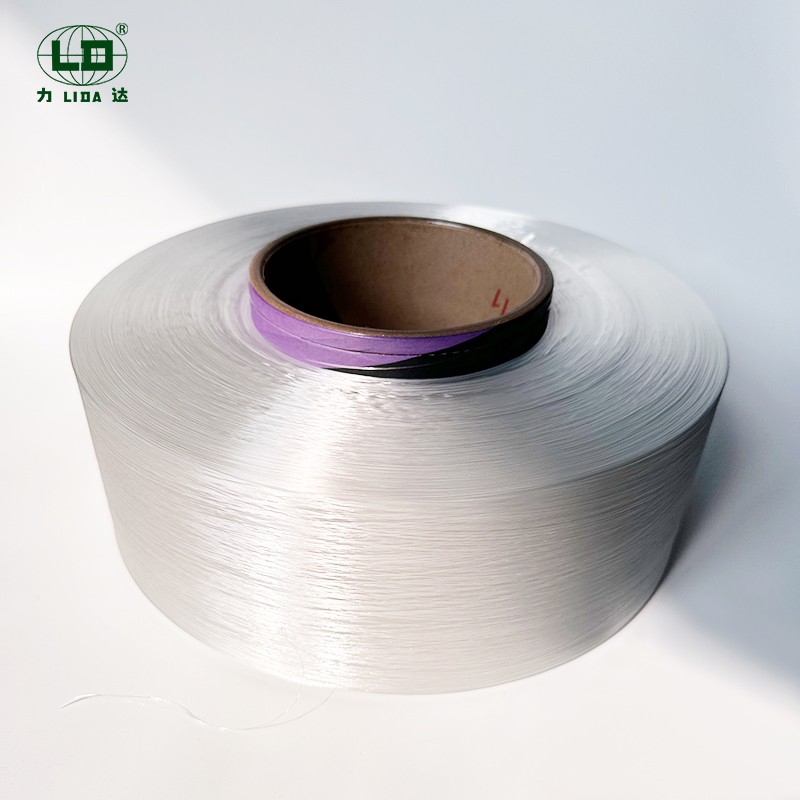
When combined with an aesthetic finish, such as the High Tenacity Full Dull Nylon 66 Filament Yarn, manufacturers gain the dual benefit of rugged durability and a sophisticated, non-reflective surface that reduces driver distraction.
Key Properties Driving Industry Adoption
The decision to use Nylon 66 over other synthetics is rooted in quantifiable performance metrics. Below is a comparison of why this specific polymer outclasses its competitors in automotive settings.
| Property | High Tenacity Nylon 66 | Standard Polyester | Benefit to Upholstery |
|---|---|---|---|
| Melting Point | High (approx. 255°C) | Moderate (approx. 250°C) | Better heat resistance for sun-exposed interiors. |
| Abrasion Resistance | Excellent | Good | Withstands constant friction from passengers. |
| Elastic Recovery | Superior | Moderate | Resists sagging and maintains original shape. |
| UV Resistance (with additives) | High (when engineered) | Moderate | Prevents fading and brittleness over time. |
The Aesthetic Advantage: Why Full Dull Matters
While strength is crucial, the visual and tactile experience of the upholstery defines the brand perception of the vehicle. This is where the Full Dull specification becomes vital. A standard shiny filament can create glare on windows or dashboards, which is a safety hazard.
By utilizing High Tenacity Full Dull Nylon 66 Filament Yarn, manufacturers like those supplied by LIDA achieve a matte, cotton-like texture that feels premium to the touch and looks subdued and elegant. This yarn allows designers to specify deep, rich colors that remain consistent under various lighting conditions without the "plastic" look associated with lower-grade synthetics.
Structural Applications Beyond the Surface
It is a common misconception that upholstery is just a "cover." In modern automotive design, the fabric is part of the safety system.
-
Side Impact Resistance: The high tenacity of the yarn helps the seat fabric resist tearing during an accident, helping to contain passengers.
-
Airbag Compatibility: The controlled strength and heat resistance ensure that seams perform predictably during airbag deployment.
-
Lightweighting: Replacing heavier materials with strong textiles contributes to overall vehicle fuel efficiency.
Frequently Asked Questions
To provide further clarity on the technical specifications of this material, here are answers to common industry inquiries regarding High Tenacity Full Dull Nylon 66 Filament Yarn.
What exactly does "Full Dull" mean in the context of Nylon 66 yarn, and why is it specified for cars?
"Full Dull" refers to the amount of titanium dioxide (TiO2) added to the polymer during the extrusion process. A higher concentration of this delustering agent breaks up light reflection on the filament surface. For automotive upholstery, this is critical because it eliminates the synthetic sheen that can cause glare on the windshield or instrument panels. It also provides a softer, more natural hand feel that mimics natural fibers, elevating the perceived quality of the car interior.
How does High Tenacity Nylon 66 filament yarn improve the durability of car seats compared to regular nylon?
Regular nylon yarns have a lower breaking strength and less resistance to continuous stress. High Tenacity Nylon 66 Filament Yarn is stretched during manufacturing to align the polymer chains, resulting in a much higher tensile strength per denier. This means the fabric can withstand the constant friction, pressure, and stretching that occurs when passengers enter and exit the vehicle without pilling, fraying, or developing saggy spots over the vehicle's lifetime.
Can High Tenacity Full Dull Nylon 66 Filament Yarn be customized for different vehicle classes, from economy to luxury?
Absolutely. The versatility of this yarn is one of its strongest selling points. The base denier (thickness) can be adjusted for heavier truck upholstery or finer luxury sedans. Furthermore, because the Nylon 66 substrate accepts dye exceptionally well, manufacturers can achieve anything from durable, budget-friendly solid colors to complex, multi-tonal jacquard patterns required for high-end luxury vehicles, all while maintaining the core properties of strength and matte aesthetics.
Conclusion
The choice of High Tenacity Nylon 66 for automotive upholstery is a decision rooted in physics and design psychology. It provides the necessary safety margin required for modern vehicles while delivering the refined look that consumers demand. At LIDA, we specialize in engineering High Tenacity Full Dull Nylon 66 Filament Yarn that meets the rigorous standards of global automotive leaders.
Is your supply chain ready for the next generation of high-performance interiors? Ensure your vehicles are equipped with the best materials available.
Contact Us today to discuss your specifications and request samples for your upcoming projects.