

Which Maintenance Practices Help Extend the Service Life of Soundproof Blankets?
2026-11-17
Soundproof Blankets are often used in recording rooms, workshops, construction areas and commercial spaces where noise control needs to remain practical and flexible. Their service life depends on more than the quality of the initial materials. Regular inspection, suitable cleaning, careful handling and dry storage all help protect the fabric, internal filling, stitching and hanging points from avoidable damage.
For facility managers and purchasing teams, a consistent maintenance routine also makes it easier to identify wear before it affects day-to-day use. The right approach depends on the blanket's construction and working environment. A cotton-filled acoustic blanket should not automatically be treated like an ordinary household comforter, and machine washing should never be assumed safe unless the manufacturer has confirmed it.
What Should Be Checked During Routine Inspections?
A quick visual inspection is one of the simplest ways to prevent minor wear from turning into a larger repair or replacement issue. In busy environments, blankets may be moved, rehung, folded or exposed to dust several times a week. These repeated handling cycles can place stress on the outer fabric, seams and metal eyelets, even when the blanket is not visibly damaged.
Start by checking the outer surface under good lighting. Look for small tears, frayed edges, abrasion marks, loose threads and areas where the fabric appears thinner than the surrounding material. Pay particular attention to corners and edges because these areas are commonly pulled when a blanket is lifted or repositioned. If the outer layer is damaged, the internal filling may become exposed or begin to shift. A small opening should therefore be assessed before the blanket returns to regular service.
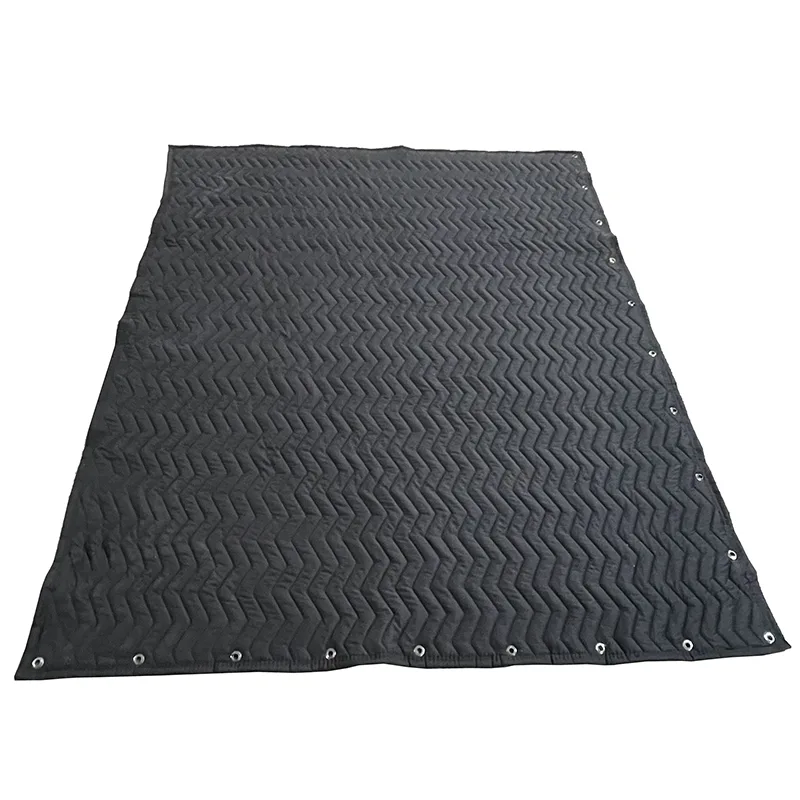
Next, examine the stitched sections. The zigzag stitching used in our product construction helps retain the filling and maintain an even structure across the blanket. If a line of stitching has opened, do not pull at the loose thread or attempt to remove a large section. Isolate the affected area and arrange a suitable repair. Repeated use with an open seam may allow the filling to move, creating uneven thickness and reducing the consistency of the blanket's acoustic coverage.
Metal grommets also deserve attention. Check whether each grommet remains firmly attached, whether the surrounding fabric is stretched, and whether there are signs of rust, bending or sharp edges. A grommet that is beginning to pull away can place additional stress on the fabric when the blanket is hung. Replace or repair damaged hanging points before they fail under load. Hooks, rods and brackets should also be checked for sharp edges that could cut or snag the material.
| Inspection area | What to look for | Recommended response |
| Outer fabric | Tears, thinning, abrasion, stains or exposed filling | Clean carefully or arrange a fabric repair, depending on the damage |
| Stitching | Loose threads, opened seams or uneven filling | Stop pulling the affected area and have the seam repaired |
| Metal grommets | Looseness, deformation, rust or stretched fabric | Repair the hanging point before rehanging |
| Internal structure | Lumps, shifting or areas that feel unusually compressed | Check whether the blanket has been folded, crushed or handled improperly |
| Odour and moisture | Musty smell, damp patches or visible mould | Remove from use and dry or assess in accordance with the material care instructions |
Inspection frequency should reflect actual use rather than a fixed calendar rule. A blanket used daily in a dusty workshop needs more frequent checks than one installed in a low-traffic recording room. Our factory recommends that operators include a brief visual check when blankets are taken down, moved or returned to storage. This creates a simple record of recurring problems and helps purchasing teams identify whether damage is linked to handling, installation or the surrounding environment.
Wenzhou Top Packaging Co., Ltd. produces blankets with cotton filling above 1000 GSM, polyester or cotton-linen outer fabric, zigzag stitching and metal grommets positioned along the top or on all sides, depending on the selected configuration. These construction details should be included in the inspection routine because each component has a different maintenance concern. The filling needs protection from moisture and compression, while the fabric, seams and grommets need protection from abrasion and excessive pulling.
How Can Cleaning Be Carried Out Without Damaging the Materials?
Cleaning should remove dust and localised dirt without soaking the filling or weakening the outer fabric. The safest method is to begin with the least aggressive option. For routine dust removal, take the blanket down if the installation allows it, support its weight and gently shake it outdoors or in a suitable ventilated area. Avoid snapping it forcefully, dragging it across the floor or striking it against a hard surface. These actions can stress the seams and hanging points.
For surface dust, use a soft brush or a vacuum cleaner with a soft brush attachment and low suction. Work in manageable sections and avoid pressing the nozzle hard against the fabric. Strong suction may pull at loose fibres or place unnecessary stress on stitched areas. If the blanket has a delicate finish, visible damage or an exposed filling area, stop and seek material-specific cleaning advice before continuing.
For a small stain, use a clean cloth that is only slightly damp. Blot the affected area rather than scrubbing it back and forth. If a cleaning solution is needed, choose a mild detergent and test it on a small, inconspicuous section first. Apply as little liquid as possible, and remove any residue with a separate cloth lightly dampened with clean water. Do not use bleach, strong solvents, abrasive powders or untested chemical cleaners. These products may discolour the fabric, affect its surface finish or weaken fibres and stitching.
One important point is that spot cleaning and full washing are not the same thing. A heavy acoustic blanket can hold moisture within its filling even after the surface feels dry. Machine washing, soaking, high-speed spinning and tumble drying may also place stress on the seams, grommets and internal structure. Unless the product label or manufacturer specifically confirms that a particular washing method is suitable, avoid putting the entire blanket into a domestic washing machine.
Our guidance is to treat full washing as a material-specific procedure, not a routine maintenance step. If a blanket has widespread contamination, persistent odour or a stain that cannot be removed by careful spot cleaning, contact the supplier with details of the outer fabric and filling. A professional cleaner should also be told that the item is a constructed acoustic textile rather than an ordinary loose household blanket.
| Cleaning situation | Practical method | Precaution |
| Loose dust | Gentle shaking, soft brush or low-suction vacuum | Avoid forceful beating and high suction |
| Small surface stain | Blot with a slightly damp cloth and mild detergent if appropriate | Test first and use minimal moisture |
| Persistent odour | Air the blanket in a dry, ventilated place and investigate the source | Do not mask dampness with fragrance or deodorising sprays |
| Widespread contamination | Ask the manufacturer or a suitable textile cleaner for advice | Do not assume machine washing or solvent cleaning is safe |
Cleaning frequency should be based on visible dirt, dust levels and the environment. Over-cleaning can be as unhelpful as neglect when it introduces unnecessary moisture or mechanical stress. In a recording space, periodic dust removal may be sufficient. In a workshop or construction setting, more frequent surface cleaning may be needed because airborne particles can accumulate faster. The aim is to keep the material clean while preserving its original construction.
Why Are Drying, Handling and Storage So Important?
Moisture is one of the main issues to manage when caring for a cotton-filled product. If a blanket is packed away while damp, moisture may remain trapped between the outer fabric and the filling. This can lead to musty odours and, under suitable conditions, mould growth. It may also make the material harder to inspect and return to service. After spot cleaning or accidental exposure to moisture, allow the affected area to dry fully before rehanging or storing the blanket.
Choose a clean, shaded and well-ventilated drying location. Spread the blanket out or hang it in a way that allows air to circulate around the damp section. Avoid placing it directly against a heater or using high heat to speed up drying. Excessive heat can affect textile fibres and may damage parts of the construction. Direct sunlight over a prolonged period can also contribute to colour fading or material ageing, so a shaded drying area is generally preferable.
Before storage, check both sides and the thicker sections by touch. The surface may feel dry while the inner filling still retains moisture. If there is any doubt, allow additional ventilation time. Do not seal a damp blanket in a plastic bag or closed container. Our factory advises buyers to make complete drying part of the return-to-storage process rather than treating it as an optional step.
Handling technique matters as well. Support the blanket with both hands when taking it down, particularly if it is large or heavy. Do not pull it by one grommet, drag it along the floor or use the metal eyelets as lifting handles. When moving several blankets, avoid placing sharp tools, metal fittings or heavy equipment on top of them. These objects can puncture the fabric, compress the filling or deform the grommets.
For short-term storage, fold the blanket loosely or roll it without creating sharp creases. Keep it in a clean, dry area away from leaking pipes, condensation, direct sunlight and chemical vapours. Avoid long-term compression under heavy stock. If blankets are stacked, make sure the stack does not place excessive weight on the lower items. A dedicated shelf or storage rack can help keep the material off the floor and reduce accidental contact with dirt or moisture.
Wenzhou Top Packaging Co., Ltd. offers customisation options for fabric, dimensions, weight and colour. Buyers should retain the agreed product specification and any care instructions supplied with their order. This is particularly useful when a site operates several blanket types, because different outer fabrics or customised constructions may require different cleaning and storage procedures. A simple identification label or inventory record can help staff apply the correct method to each item.
Which Working Conditions Can Shorten Service Life?
The environment in which a blanket is used has a direct effect on the amount of maintenance it needs. Dust, moisture, repeated movement and poor installation can all accelerate wear. In construction and roadwork areas, airborne dust and contact with rough surfaces are common concerns. In a recording or broadcast studio, the environment may be cleaner, but frequent repositioning and contact with stands or equipment can still cause abrasion.
Where blankets are used around industrial equipment, check the surrounding temperature and operating conditions before installation. Do not place a fabric product against hot machinery, exhaust outlets or other heat sources unless the product has been specifically approved for that application. The available product information does not establish a fire rating or a maximum operating temperature for this construction. Buyers should therefore confirm the required safety conditions before using the blanket near heat, sparks or potentially hazardous equipment.
Installation is another source of avoidable damage. Hanging a blanket from too few points may concentrate its weight on a small area of fabric. A poorly positioned hook can also rub against the grommet or create a sharp bend in the material. Use compatible hanging hardware, distribute the load across the available fixing points and make sure the support structure is suitable for the blanket's weight. Do not stretch the fabric tightly just to cover a wider opening.
For installations where blankets are moved frequently, assign responsibility for taking them down and rehanging them. Staff should be shown how to support the fabric, avoid pulling individual eyelets and report loose seams or damaged hardware. This is especially useful in multi-purpose facilities where the same acoustic treatment may be repositioned for different activities. Consistent handling reduces the chance that a blanket will be damaged simply because different operators use different methods.
Keep a basic maintenance log for larger sites. Record the date of inspection, the location, any visible damage, cleaning carried out and repairs completed. The record does not need to be complicated. It should help the facility team spot patterns, such as repeated grommet damage at one installation point or faster dust accumulation in a particular work area. These observations can guide changes to storage, installation or cleaning practices.
When selecting replacement or additional units, compare the actual construction rather than relying on the product name alone. The current specification for our acoustic blankets includes cotton filling above 1000 GSM, polyester or cotton-linen outer fabric, zigzag stitching and metal grommets on the top edge or all sides. Dimensions, weight, colour and fabric can be customised. Acoustic performance ratings, fire classifications and washability should be requested separately if they are essential to the project.
How Can Buyers Build a Practical Maintenance Plan?
A useful maintenance plan should be easy for operators to follow and specific enough to protect the materials. It can be divided into three levels: routine checks, periodic cleaning and condition-based repair. Routine checks take place whenever a blanket is moved. Periodic cleaning is scheduled according to dust and usage levels. Repairs are arranged whenever inspection reveals a damaged seam, fabric tear or loose grommet.
For a small studio, a short checklist kept with the equipment may be enough. For a large industrial site, the maintenance plan should identify who is responsible for inspection, where clean blankets are stored and how damaged items are taken out of service. If several fabric types are used, label them clearly and keep the relevant care instructions accessible to the staff who handle them.
Wenzhou Top Packaging Co., Ltd. can discuss product construction and customisation requirements with buyers who need blankets for different working environments. Before placing an order, provide the intended application, installation method, required dimensions, preferred outer fabric and any special site conditions. Our team can then help clarify which product details need to be confirmed for the project. Buyers should request written confirmation for any requirements involving machine washing, fire performance, temperature exposure or other specialised conditions.
There is no single maintenance interval that suits every installation. A blanket used occasionally in a clean indoor room may need only periodic dust removal and inspection. A unit used daily in a dusty or high-traffic area may require more frequent attention. The most reliable approach is to monitor actual condition, follow the product-specific care guidance and address small defects before they spread.
Conclusion
Extending the service life of acoustic blankets comes down to consistent care rather than aggressive cleaning. Inspect the fabric, zigzag stitching and metal grommets regularly; remove dust gently; spot clean with minimal moisture; dry the material completely; and store it in a clean, dry place without heavy compression. Avoid machine washing, high heat and chemical cleaners unless the manufacturer has confirmed that these methods are suitable for the exact construction.
For project-specific requirements, Wenzhou Top Packaging Co., Ltd. can discuss fabric, dimensions, weight, colour and hanging configurations. Contact our team to review your application and request product details before specifying a maintenance procedure for your site.
Frequently Asked Questions
How often should acoustic blankets be inspected?
Inspect them whenever they are moved, rehung or returned to storage, and schedule additional checks according to the working environment. Daily-use blankets in dusty workshops may need more frequent attention than units in clean studios. Check the outer fabric, seams, filling distribution and grommets, and record recurring damage so that the cause can be addressed.
Can a cotton-filled acoustic blanket be machine washed?
Do not assume that it can. A heavy cotton-filled construction may retain water internally, while washing and spinning can place stress on the stitching, fabric and metal grommets. Follow the care label or obtain written guidance from the manufacturer for the exact model. If washing suitability has not been confirmed, use careful surface cleaning or consult a professional textile cleaner.
What is the safest way to remove dust and small stains?
Use a soft brush or a vacuum cleaner with a soft brush attachment and low suction to remove loose dust. For a small stain, blot gently with a clean, slightly damp cloth. If mild detergent is needed, test it on an inconspicuous area first and use as little liquid as possible. Avoid harsh scrubbing, bleach, solvents and abrasive cleaning products.
How should acoustic blankets be stored between projects?
Make sure the blanket is completely dry before storage. Fold it loosely or roll it without creating sharp creases, then place it in a clean, dry and ventilated area away from direct sunlight, moisture, chemicals and heavy objects. Avoid sealing damp material in an airtight container or leaving it compressed under heavy stock for long periods.
Which signs indicate that a blanket needs repair or replacement?
Look for torn fabric, exposed filling, opened seams, uneven or shifted filling, damaged grommets and persistent odours associated with moisture. Minor damage may be repairable if the surrounding material remains sound. If the blanket has extensive structural damage, repeated seam failure or contamination that cannot be safely removed, ask the supplier to assess whether repair or replacement is more appropriate.