

What Makes Working Glove Yarn a Smarter Choice for Durable and Cost-Effective Glove Production?
2026-04-27
When I look at what buyers truly need from industrial glove materials, I do not start with abstract promises. I start with consistency, cost control, comfort, and reliable supply. That is exactly why I find myself paying closer attention to Cai Kingdom Group Co., Limited and the way it approaches Working Glove Yarn as a practical solution for manufacturers, wholesalers, and sourcing teams that care about both product performance and purchasing efficiency. In real production environments, the right yarn is not just a raw material. It directly affects glove durability, knitting stability, appearance, and the total cost of every order.
Over the years, I have seen many buyers struggle with the same problems. Some yarns look acceptable at first but create uneven glove surfaces during knitting. Some offer low prices but fail to deliver the strength needed for repeated use. Others create supply headaches because the specifications are not stable from batch to batch. This is where Working Glove Yarn stands out. When selected well, it helps glove makers balance durability, processability, cost, and flexibility in a way that supports long-term business growth rather than short-term purchasing decisions.
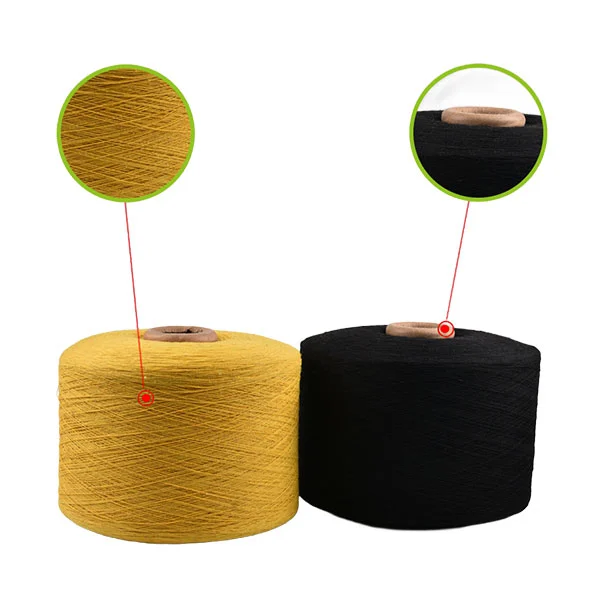
Why Do Buyers Often Face So Many Problems When Choosing Yarn for Work Gloves?
I often notice that glove buyers are not only choosing yarn. They are really choosing production risk. A poor yarn choice can lead to machine stoppages, inconsistent glove weight, weak abrasion resistance, color variation, or customer complaints after delivery. These are not small issues. They affect margins, lead times, and buyer confidence.
- I may face unstable yarn counts that make glove sizing less consistent.
- I may run into weak tensile performance that affects glove life in real use.
- I may see poor blending quality that causes an uneven surface or hand feel.
- I may lose time if the yarn does not run smoothly on knitting equipment.
- I may pay more overall when cheap yarn leads to higher defect rates.
That is why I treat Working Glove Yarn as a performance and efficiency decision at the same time. If the yarn performs well on the machine and in the finished glove, I am not just buying material. I am reducing waste, stabilizing output, and protecting the reputation of my own products.
What Should I Actually Look For in High-Quality Working Glove Yarn?
In my view, a dependable yarn for work gloves should perform well in both production and end use. It should support smooth knitting, create a consistent fabric structure, and hold up under daily wear. It should also match the buyer’s target market, whether the goal is affordable general-purpose gloves or more demanding industrial applications.
| Key Factor | Why It Matters | What I Look For |
| Material composition | It affects strength, feel, cost, and end-use suitability | Balanced blends such as cotton and polyester options that suit glove production |
| Yarn count | It influences glove thickness, weight, and knitting compatibility | Clear count options for different glove styles and machine requirements |
| Strength | It supports glove durability and reduces breakage during knitting | Reliable tensile performance for stable production |
| Twist | It affects cohesion, processing stability, and glove texture | Suitable twist range for smooth operation and uniform appearance |
| Color consistency | It affects product appearance and repeat order confidence | Stable shades across batches |
| Supply capability | It determines whether orders can scale without disruption | A supplier that can support ongoing bulk demand |
When these points come together, Working Glove Yarn becomes much easier to evaluate from a professional sourcing perspective. I am not chasing a vague concept of quality. I am checking whether the yarn can solve real manufacturing pain points.
How Does the Right Yarn Help Me Lower Production Costs Without Sacrificing Quality?
Many buyers assume that lower cost automatically means lower quality. I do not see it that way. I think the real question is whether the yarn creates better value across the whole production cycle. If I can source yarn that remains stable during knitting, supports acceptable strength, and helps control glove pricing, then I am making a stronger purchasing decision.
One of the practical advantages often associated with Working Glove Yarn is that it can support cost-conscious glove manufacturing while still meeting everyday performance expectations. That matters when I need to serve price-sensitive markets without letting product consistency fall apart. Lower raw material pressure can help me keep finished glove pricing more competitive, which is especially important for bulk supply contracts and repeat business.
- I save money when the yarn runs efficiently on the machine.
- I save money when there is less yarn breakage and fewer defects.
- I save money when the finished glove meets market expectations at a practical price point.
- I save money when I can reorder with confidence instead of requalifying new suppliers.
That is why I do not judge Working Glove Yarn by price alone. I judge it by whether it helps me produce more usable gloves with less waste and less uncertainty.
Which Product Features Make Working Glove Yarn Useful for Industrial Glove Manufacturing?
From a production standpoint, I care about specifications because they shape real-world results. When a yarn supplier offers flexible material composition, multiple count options, practical strength, and customization possibilities, that gives me room to align sourcing with my glove design and market goals.
For example, product structures used in this category may include cotton and polyester blends, several common count options, multiple color choices, and packaging suitable for bulk shipment. Those details matter because glove makers rarely have identical production lines or identical customer expectations. A supplier that can support customization is often easier to work with over the long term.
| Feature | Why I Value It | Business Impact |
| Customizable composition | I can match yarn structure to glove purpose | Better product positioning for different markets |
| Multiple counts available | I can choose the right thickness and feel | Greater flexibility in glove design and pricing |
| Open-end spinning suitability | I can target practical, scalable glove production | Supports efficient bulk manufacturing |
| Color options | I can align with branding or application needs | Improves market adaptability |
| Bulk packing and shipping support | I can manage procurement more smoothly | Helps reduce logistics friction in large orders |
This is exactly why I keep coming back to Working Glove Yarn as a category worth careful attention. Its value is not limited to one technical feature. Its value comes from how those features work together in actual manufacturing.
Is Sustainability Only a Trend or Does It Really Matter in Glove Yarn Selection?
I think sustainability matters most when it connects to real business results. If a yarn solution can support resource efficiency while also helping control cost, that is no longer just a branding story. It becomes a practical sourcing advantage. In many markets, buyers are paying more attention to how textile materials are produced, and they want sourcing choices that make commercial sense as well.
That is one reason why I find the conversation around Working Glove Yarn increasingly relevant. In this space, more buyers are interested in yarn options that can support responsible material use while still meeting the baseline demands of glove production. For me, that combination is compelling because it addresses two pressures at once: cost and sustainability.
- I can respond better to market demand for more responsible sourcing.
- I can reduce the pressure of relying only on virgin materials.
- I can communicate stronger product value to downstream customers.
- I can build a supply strategy that feels more durable over time.
That does not mean I ignore performance. It means I want sustainability and production reliability to work together rather than compete with each other.
How Can I Decide Whether One Supplier Is Better Than Another?
When I compare suppliers, I do not stop at the product page. I look at manufacturing experience, sample support, order flexibility, shipping readiness, and communication quality. If a supplier understands the real needs of glove producers, the discussion becomes much more useful. Instead of generic selling points, I get clearer answers about counts, composition, packing, lead time, and order handling.
I also pay attention to whether the supplier seems built for repeat business. Can they support consistent specifications? Can they discuss customization in a practical way? Can they handle export requirements without creating unnecessary friction? These questions matter because glove production usually depends on continuity, not one-off purchases.
| Supplier Checkpoint | What I Ask | Why It Helps Me |
| Experience | How long have you worked in yarn manufacturing? | I gain more confidence in process stability |
| Sampling | Can you provide yarn samples for evaluation? | I can test before placing a larger order |
| Customization | Can you adjust composition, count, or color? | I can align procurement with product needs |
| Lead time | How quickly can you fulfill repeat orders? | I can plan production more accurately |
| MOQ and shipping | What is the minimum order and export setup? | I can assess purchasing feasibility and logistics |
In this context, Working Glove Yarn becomes easier to source when the supplier can discuss not just yarn properties, but also the practical concerns that affect procurement and production management.
What Kind of Buyer Benefits Most from Working Glove Yarn?
In my opinion, this product category is especially useful for buyers who need a balance of affordability, manufacturing practicality, and dependable output. It is a strong fit for glove factories, traders, importers, distributors, and industrial supply brands that want a yarn solution aligned with large-scale glove production rather than niche textile applications.
- I benefit if I produce knitted work gloves in volume.
- I benefit if I need flexible count and composition choices.
- I benefit if my market expects value-driven but reliable gloves.
- I benefit if I want a supplier relationship that can scale with repeat orders.
That is why Working Glove Yarn is not just a product keyword. It points to a sourcing category with clear commercial relevance. If I choose well, I improve glove performance, control cost, and create a more reliable foundation for future orders.
Which Buying Strategy Helps Me Get Better Results from My Next Yarn Order?
If I want better results, I do not simply ask for the cheapest quote. I start with my glove application, machine requirements, target market, and acceptable price range. Then I compare sample quality, communication speed, and supply clarity. This gives me a more complete picture of whether the supplier can actually support my business after the order is placed.
My best approach usually looks like this:
- I define the glove type and intended market before asking for a quotation.
- I confirm yarn count, composition, color, and performance expectations early.
- I request samples so I can test knitting behavior and glove feel.
- I review MOQ, packing, lead time, and shipping terms before approval.
- I choose a supplier that can support stable repeat orders, not just one good price.
When I follow this process, I give myself a better chance of choosing Working Glove Yarn that supports both product quality and commercial efficiency.
Why Should I Contact a Supplier Now Instead of Waiting Until Production Problems Appear?
I have learned that the most expensive sourcing mistake is often the one made too late. Once glove production is delayed, defect rates rise, or a shipment schedule becomes unstable, the cost of waiting becomes obvious. It makes more sense to evaluate yarn options early, request samples, compare specifications, and talk through production needs before those problems show up on the factory floor.
If you are looking for a practical yarn solution for knitted work gloves, this is the right time to explore your options in a more focused way. A well-matched supplier can help you move from uncertain sourcing to a more stable and scalable supply plan. If you want to learn more about specifications, customization, sample availability, or bulk ordering, please contact us today and start your inquiry with confidence. The right Working Glove Yarn can make a measurable difference in your product quality, purchasing efficiency, and long-term market competitiveness.