

What Makes Bar Tacking Sewing So Important for Stronger Garment Production?
2026-05-09
When I evaluate a sewing line, I rarely judge quality only by how clean the visible seams look. The real test is often found in the small stress points that customers touch, pull, stretch, and use every day. That is why I pay close attention to Bar Tacking Sewing, especially when I compare garment factories that want stronger output without slowing down production. In this field, Zhejiang Suote Sewing Machine Mechanism Co.,Ltd has gradually become a name I would consider when looking for practical, stable, and factory-ready bar tacking solutions for woven and knitted garments.
For many apparel manufacturers, the problem is not whether they can sew a pocket, belt loop, zipper end, or strap connection. The real question is whether that area can survive repeated use. A beautiful garment can still fail quickly if the stress points are weak. I have seen factories lose orders not because the fabric was poor, but because small reinforcement areas opened after washing, pulling, or daily wear. This is exactly where Bar Tacking Sewing becomes more than a technical step. It becomes a quality safeguard.
Why Does Bar Tacking Sewing Matter More Than Many Buyers Realize?
When buyers inspect garments, they often check size, color, fabric feel, labels, and packaging first. But experienced buyers also check whether the high-tension points are properly reinforced. These areas decide whether a product feels durable after a few weeks of use.
I usually look for bar tacking in places such as:
- Pocket corners on jeans, workwear, uniforms, and casual pants
- Belt loops that must resist pulling during wear
- Zipper ends on trousers, jackets, bags, and outdoor clothing
- Shoulder straps, handles, and load-bearing fabric connections
- Button areas and short seam ends where fabric tension gathers
- Sportswear and knitted garments that need flexible reinforcement
A bar tack may look small, but it carries a heavy responsibility. When it is made with a dense and controlled lockstitch pattern, it strengthens a limited area without making the entire garment stiff. That balance is important because buyers want durability, but they do not want bulky finishing that affects comfort or appearance.
What Problems Can A Bar Tacking Sewing Machine Help Me Solve?
From a production point of view, the value of a bar tacking machine is very direct. It helps me turn a repeated manual reinforcement task into a controlled, repeatable, and measurable process. In garment manufacturing, that consistency matters as much as speed.
Without a suitable bar tacking machine, a factory may face several common problems:
- Uneven stitch density between different operators
- Weak reinforcement on pockets, loops, and seam ends
- Thread nests or messy starting points that require trimming
- High rework rates during final inspection
- Slow handling when many garments require the same reinforcement process
- Operator fatigue caused by repetitive short-cycle stitching
Good Bar Tacking Sewing equipment reduces these problems by creating stable short-length reinforcement with repeatable stitch formation. When the machine is easy to adjust and dependable during long shifts, it helps the whole production line move with fewer interruptions.
Which Features Should I Check Before Choosing A Bar Tacking Sewing Machine?
When I choose this type of machine, I do not look only at the price. A low initial price can become expensive if the machine creates downtime, uneven sewing, high maintenance pressure, or poor finished quality. I prefer to check the details that affect daily operation.
| Selection Point | Why It Matters in Production | What I Would Look For |
|---|---|---|
| Stitch Stability | It affects the strength and appearance of every reinforced point. | Consistent lockstitch formation on woven and knitted materials. |
| Direct Drive Performance | It can improve response, reduce energy waste, and support smoother operation. | A stable motor system with reliable power delivery. |
| Thread Trimming | It reduces post-sewing handling and keeps the product cleaner. | Clean trimming that helps avoid loose ends and extra manual work. |
| Needle Penetration Force | It matters for thick seams, layered fabric, workwear, and denim. | Strong penetration without unstable stitch formation. |
| Noise and Vibration | It affects operator comfort and long-shift productivity. | Smoother operation with lower vibration during repeated cycles. |
| Operation Panel | It affects training speed and daily adjustment efficiency. | A practical control system that operators can understand quickly. |
| Maintenance Access | It influences downtime and long-term service cost. | A structure that supports easy adjustment, cleaning, and routine care. |
How Does Bar Tacking Sewing Improve The Final Garment Quality?
When I talk about garment quality, I do not only mean a neat product on the hanger. I mean a garment that keeps its structure after use. Bar Tacking Sewing supports that goal by reinforcing small but vulnerable areas before they become customer complaints.
For example, pocket corners often face repeated pulling. Belt loops are pulled every time a wearer adjusts their pants. Bag handles carry weight. Zipper ends experience stress when a user opens and closes the garment quickly. If these areas are not reinforced correctly, the product may still pass a quick visual check but fail in real life.
A strong bar tack helps in several ways:
- It concentrates reinforcement exactly where stress is highest.
- It keeps the stitch area compact and clean.
- It improves resistance against tearing and seam opening.
- It supports consistent quality across large production batches.
- It helps factories meet buyer expectations for durability.
This is why I see bar tacking as a small process with a large commercial impact. When the reinforcement is stable, the garment feels more reliable. When the garment feels reliable, buyers have fewer reasons to question the factory’s quality control.
Is Bar Tacking Sewing Useful Only For Heavy Garments?
No, and this is a common misunderstanding. Many people connect bar tacking only with jeans or workwear, but I see it used in many product categories. Heavy fabrics do need strong reinforcement, but lighter garments also benefit from accurate, controlled tack stitching.
In woven garments, Bar Tacking Sewing can reinforce pocket openings, pleat ends, button areas, and side seam stress points. In knitted garments, it can help secure areas that face stretching or repeated movement. In bags and accessories, it improves load-bearing parts such as handles, straps, and attachment points.
The main point is not fabric weight alone. The main point is stress. Wherever a small part of the product receives repeated tension, bar tacking can be useful.
What Makes Zhejiang Suote Sewing Machine Mechanism Co.,Ltd Worth Considering?
When I assess a supplier, I care about more than the product name. I want to know whether the company understands factory use, whether the machine categories are practical, and whether the supplier has long-term experience in specialized sewing equipment.
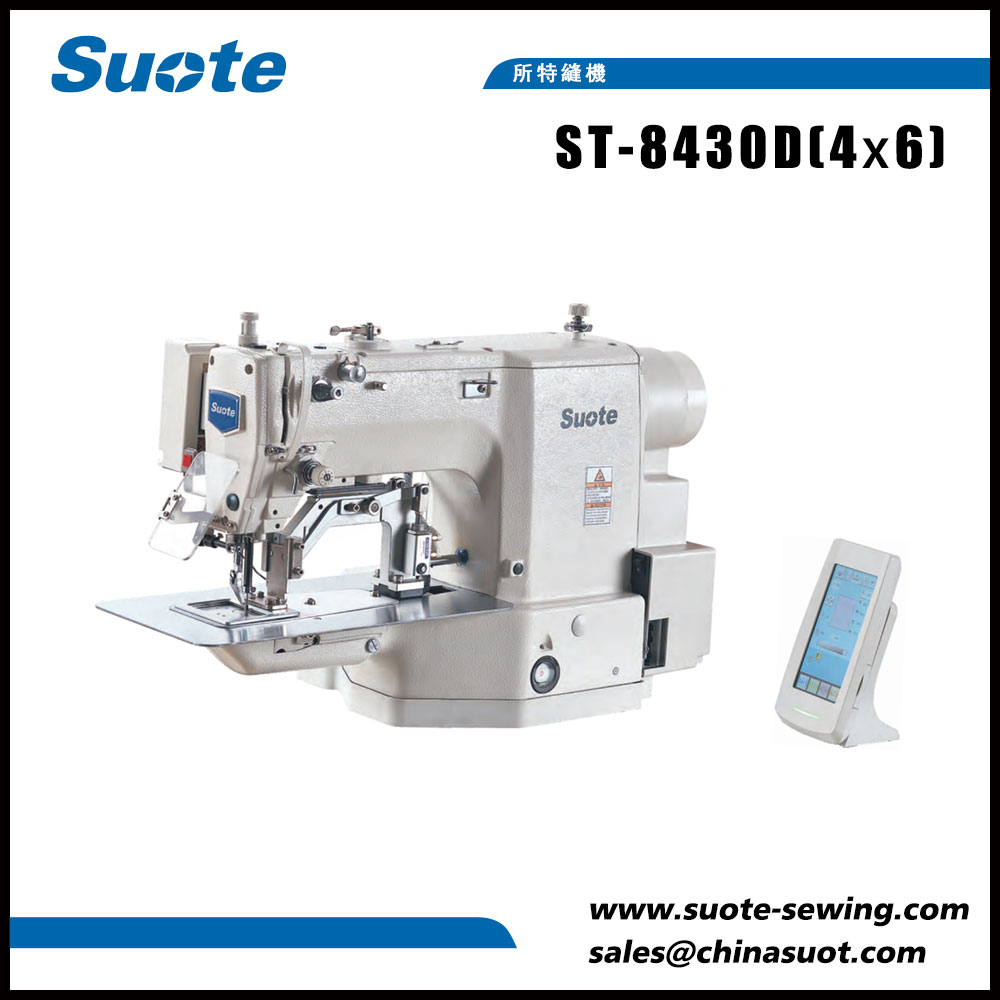
Zhejiang Suote Sewing Machine Mechanism Co.,Ltd focuses on sewing machine solutions such as bar tacking machines, buttonhole sewing machines, button attaching machines, pattern sewing machines, suit sewing machines, blind stitch sewing machines, and related industrial sewing equipment. That product range tells me the company is not approaching bar tacking as a side product. It is part of a broader garment production system.
For buyers who are comparing machines for factory use, I would pay attention to several advantages:
- Experience in specialized sewing machine manufacturing
- Bar tacking equipment suitable for garment reinforcement applications
- Options such as electronic direct drive and thread trimming models
- Machines designed for stable stitching and practical production needs
- Product categories that support multiple garment-making processes
I also appreciate when a supplier provides enough product direction for buyers to understand which model fits which task. A garment factory does not need vague promises. It needs a machine that can match fabric type, production volume, operator skill level, and reinforcement requirements.
How Can I Match The Machine To My Production Needs?
Before I recommend any bar tacking solution, I usually ask practical questions. A machine that performs well in one production line may not be the best match for another. Denim, uniforms, sportswear, bags, and casual garments all place different demands on the sewing process.
| Production Need | Recommended Focus | Reason |
|---|---|---|
| High-volume garment production | Cycle speed and stable automatic functions | Large batches require consistent output with less operator delay. |
| Denim and workwear | Needle penetration and stitch strength | Thick seams and layered fabric need stronger machine performance. |
| Clean appearance requirements | Thread trimming and neat stitch start | Clean finishing reduces rework and improves inspection results. |
| Mixed garment categories | Adjustability and sewing pattern flexibility | Factories handling different orders need easier setup changes. |
| Operator comfort | Low vibration and practical control panel | Comfort can affect productivity during repeated short operations. |
Do Buyers Care About Bar Tacking Sewing During Quality Inspection?
Yes, especially buyers who source garments for retail, uniforms, outdoor use, sportswear, or workwear. These buyers understand that reinforcement quality affects return rates and brand reputation. A failed pocket corner may look like a small defect, but to the final customer it feels like poor quality.
During inspection, buyers may check:
- Whether the bar tack is placed correctly
- Whether the stitch density is even
- Whether there are skipped stitches or loose threads
- Whether the reinforcement area is strong without being bulky
- Whether repeated pieces show the same sewing quality
This is why I believe Bar Tacking Sewing should not be treated as a minor finishing detail. It is part of the product’s durability promise. If a factory wants to improve buyer confidence, reinforcing key stress points with stable machine stitching is a smart place to start.
What Should I Expect From A Reliable Bar Tacking Sewing Process?
A reliable process should feel controlled from the first sample to the last piece in the batch. I expect the machine to create clean reinforcement, support stable thread tension, handle the required fabric layers, and reduce unnecessary after-sewing work.
In daily production, I would expect a good process to deliver:
- Stable stitches with clear reinforcement shape
- Reliable sewing on different garment stress points
- Less trimming work after sewing
- Lower risk of thread cast-off or messy starts
- Smoother operation for repeated short-cycle sewing
- Better consistency between operators and batches
These details may sound ordinary, but they are exactly what factories need. Real production quality is built through repeatable small wins, not one perfect sample.
Why Would I Choose Bar Tacking Sewing Instead Of Manual Reinforcement?
Manual reinforcement can work for small repairs or limited samples, but it becomes risky in mass production. Human handling differences can create uneven results, especially when orders are large and delivery schedules are tight. Machine-based Bar Tacking Sewing gives factories better control over stitch density, placement, and output consistency.
For me, the biggest advantage is repeatability. When a buyer places a large order, they expect the 10th garment and the 10,000th garment to meet the same standard. A suitable bar tacking machine helps make that expectation more realistic.
It also supports better cost control. Fewer defects mean less rework. Cleaner trimming means less finishing labor. More stable operation means fewer interruptions. Over time, these improvements can matter more than the initial machine price.
How Can Better Bar Tacking Sewing Support Factory Competitiveness?
Factories compete on price, delivery, quality, and trust. Price may win attention, but quality keeps buyers returning. When I look at Bar Tacking Sewing from a business angle, I see it as a way to protect both product value and factory reputation.
A factory that reinforces garments well can position itself more confidently when serving buyers of jeans, uniforms, jackets, bags, children’s wear, sportswear, and daily apparel. The machine may work on a small area, but the result supports a much larger message: this factory understands durability.
That message is important because today’s buyers are more careful. They compare suppliers, inspect samples closely, and expect fewer excuses. A stable bar tacking process helps a factory speak through its product quality instead of relying only on sales claims.
What Is My Final Advice For Buyers Looking At Bar Tacking Sewing Machines?
If I were choosing a machine for garment reinforcement, I would not rush the decision. I would first list the products I sew most often, the stress points that cause the most complaints, the fabric thickness range, and the daily output target. Then I would compare machines based on real production needs.
For buyers who want stronger garment reinforcement, cleaner finishing, and more consistent batch quality, Bar Tacking Sewing is a process worth improving. Zhejiang Suote Sewing Machine Mechanism Co.,Ltd offers bar tacking sewing machine options that can support practical factory use, especially for manufacturers who want reliable reinforcement on pockets, belt loops, zipper ends, straps, and other stress areas.
If you are planning to upgrade your sewing line or compare bar tacking solutions for your next garment production project, I would suggest starting with your actual fabric, application, and output requirements. Share your product details, target sewing area, and production expectations with the supplier, and ask for a suitable machine recommendation. For more information or a tailored quotation, please leave an inquiry or contact us today.