

What Makes a Warp Stop Motion Base Worth Upgrading When Loom Stability Starts Hurting Output?
2026-04-27
When I talk with weaving mills about recurring stops, unstable running conditions, and maintenance that seems to come back too quickly, the conversation often turns to structural parts that are easy to overlook. That is where Changshu Changxin Textile Equipment Co., Ltd. naturally comes into the picture. In my view, a well-made Warp Stop Motion Base is not just a supporting accessory. It is a practical foundation for keeping the warp stop system steady, reducing avoidable vibration, and helping the loom maintain more consistent operating conditions.
I have seen many buyers focus first on visible assemblies while treating the base as a standard item. That usually becomes a problem later. If the supporting structure is not stable enough, the entire warp stop arrangement can lose precision over time. That can mean more adjustment work, more wear, and more unexpected interruptions than a workshop wants to accept.
So when I evaluate a Warp Stop Motion Base, I do not look at it as a small metal or engineering part. I look at it as a cost-control decision, an installation decision, and a production-reliability decision. For mills trying to improve loom efficiency without creating extra fitting trouble, choosing the right base matters much more than many people expect.
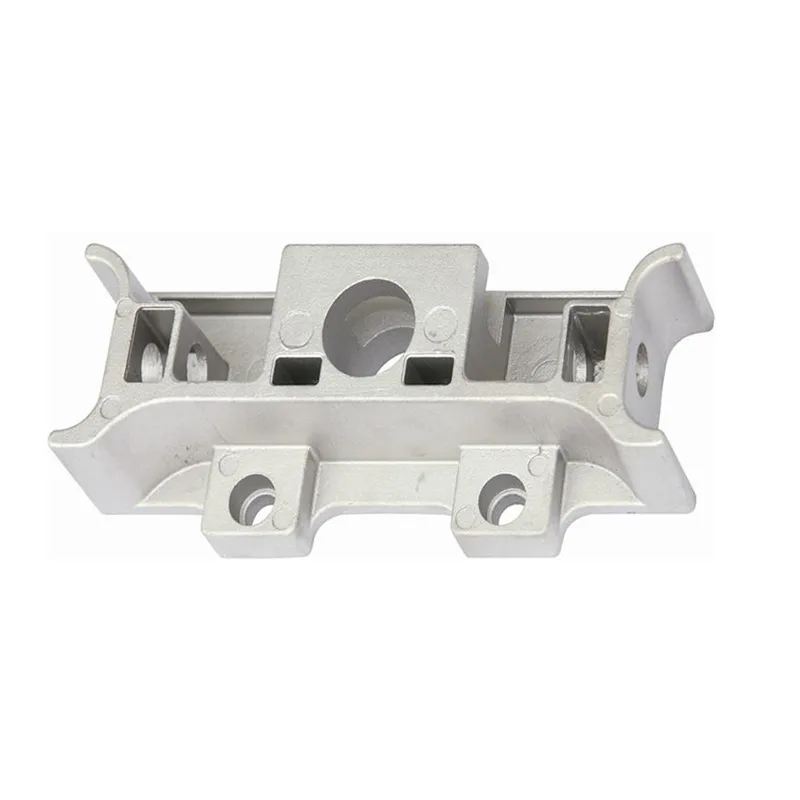
Why Do So Many Weaving Problems Start With a Base That Buyers Rarely Question?
In daily production, a weaving line depends on alignment, support strength, and repeatable performance. If the base under the warp stop structure is weak, poorly matched, or too easy to shift under long-term operation, the consequences can spread through the machine in subtle but expensive ways.
- Unwanted movement can weaken system stability during continuous loom operation
- Poor support may increase maintenance frequency and adjustment time
- Low durability can lead to earlier replacement in humid, dusty, or lint-heavy workshops
- Compatibility issues can slow installation and complicate upgrades
- Inconsistent support can make technicians spend more time correcting avoidable mechanical deviations
That is why I always recommend treating the Warp Stop Motion Base as part of the performance chain rather than as a minor purchase line. When buyers take that approach, they usually make better long-term decisions.
How Can a Stronger Base Help a Mill Reduce Unplanned Downtime?
Downtime is rarely caused by one dramatic failure alone. More often, it comes from repeated small weaknesses that accumulate until production slows or stops. A reliable Warp Stop Motion Base helps address that pattern by giving the warp stop system a more secure platform.
When the support structure remains steady, the warp stop assembly can work under more controlled conditions. That means fewer disruptions caused by shifting, loosening, or instability around the mounting position. In practical terms, a stable base supports smoother operation and helps the workshop reduce interruption risks that come from mechanical inconsistency rather than from yarn alone.
I like to explain it this way. If a mill invests in better detection, better running control, and better operating discipline, but leaves the supporting base at an average level, the system still inherits a structural weakness. The improvement then becomes incomplete.
What Should Buyers Really Compare Before Choosing a Warp Stop Motion Base?
Many buyers compare only price and appearance. I think that is too narrow. A useful comparison should focus on how the base performs in the actual environment of a weaving mill.
| What to Compare | Why It Matters in Production | What a Buyer Should Watch For |
| Structural strength | Helps the base remain reliable during long operating cycles | Whether the design supports stable installation without easy displacement |
| Shock resistance | Reduces the effect of continuous machine vibration on the support system | Whether the base is designed for real workshop conditions rather than only showroom presentation |
| Surface durability | Matters in humid, dusty, and lint-heavy textile environments | Whether the finish can support longer service life and lower replacement pressure |
| Installation compatibility | Speeds up replacement and reduces fitting difficulty | Whether the base can adapt to different loom or frame requirements |
| Adjustment convenience | Saves technician time during setup and maintenance | Whether fine-tuning can be done without excessive modification work |
| Supply consistency | Helps mills maintain procurement continuity | Whether the supplier can support repeat orders and stable delivery |
When I compare options this way, the conversation becomes much more practical. Buyers stop asking which product looks acceptable and start asking which product will create fewer problems after installation.
Which Product Advantages Matter Most When Production Conditions Are Demanding?
In demanding weaving environments, the best product advantages are not decorative. They are operational. I usually look for benefits that can protect continuity, simplify maintenance, and support equipment stability over time.
- A solid body structure that supports the warp stop assembly with confidence
- Reliable fastening performance that helps reduce shifting during operation
- Good resistance to workshop moisture, dust, and corrosion pressure
- Flexible installation logic that helps buyers avoid unnecessary retrofit work
- Practical support for replacement, upgrade, and daily maintenance efficiency
This is one reason mills pay close attention to suppliers with experience in textile equipment components. A product like a Warp Stop Motion Base needs to perform in real workshop conditions, not just read well on a specification sheet.
Is Compatibility More Important Than Buyers First Assume?
Yes, and I would say it becomes even more important when a mill is upgrading existing equipment instead of building a new line from the beginning.
One common buyer pain point is this. A component may look suitable in theory, but once it reaches the plant, technicians discover that fitting takes longer than expected, spacing needs rework, or installation becomes more complicated than planned. That increases labor time and delays restart schedules.
When a Warp Stop Motion Base is designed with practical compatibility in mind, the value goes beyond convenience. It can shorten replacement cycles, reduce installation frustration, and help technical teams complete setup more efficiently. For busy mills, that time saving is not minor. It directly affects planning, manpower, and production recovery speed.
How Does a Better Base Support Cost Control Instead of Just Adding Purchase Cost?
Some buyers hesitate when they see a product positioned as higher quality because they focus on the initial quotation only. I think the smarter approach is to measure full-use cost rather than entry cost.
| Cost Factor | Low-Quality Choice | Better Long-Term Choice |
| Initial purchase | May appear cheaper at first | May require a slightly higher upfront budget |
| Installation time | Can take longer if fitting is inconvenient | Can be more efficient when compatibility is stronger |
| Maintenance burden | Often increases over time | Usually easier to manage when the structure remains stable |
| Replacement frequency | Can be higher in harsh environments | Can be reduced when durability is improved |
| Downtime risk | More exposed to avoidable interruptions | Better positioned for stable ongoing operation |
So when I assess value, I ask a simple question. Will this choice help the mill spend less time correcting preventable issues later? If the answer is yes, then the base is doing more than supporting a mechanism. It is supporting operating efficiency.
What Makes This Kind of Component Important for Buyers Who Care About Consistency?
Consistency is one of the hardest things to protect in textile production because many small variables can gradually affect machine behavior. A base component may not receive daily attention, yet it contributes to whether the mounted system remains dependable through long shifts and repeated use.
That is why I pay attention to suppliers who understand weaving applications instead of treating the product as a generic industrial part. A well-developed Warp Stop Motion Base should reflect real knowledge of workshop demands, installation habits, and long-term service expectations.
For buyers, this matters in three ways.
- It improves confidence during procurement because the product is closer to real use conditions
- It supports more predictable maintenance planning after installation
- It helps the production team avoid the hidden cost of unstable support components
Do Buyers Need a Supplier or a Partner Who Understands Textile Equipment Better?
From my perspective, buyers benefit most when the supplier does more than just ship parts. A capable partner understands why mills care about stable support, easier fitting, and long service life. That kind of supplier is more likely to offer a product that solves a production problem instead of merely filling a catalog category.
That is where Changshu Changxin Textile Equipment Co., Ltd. becomes relevant for serious buyers. The company is closely associated with textile equipment components, and that matters because application knowledge often shows up in the details buyers feel later during installation and use. When a supplier is familiar with the operating logic behind the warp stop system, the product tends to be more practical, more usable, and more aligned with what mills actually need.
Which Buyers Should Take the Time to Reassess Their Current Base Choice?
I would strongly suggest a reassessment if any of the following problems sound familiar.
- Your technicians spend too much time correcting installation issues
- Your current setup feels stable at first but becomes less reliable over time
- Your workshop environment is hard on metal parts and replacement cycles feel too frequent
- Your loom upgrade plan is slowed by compatibility concerns
- Your team wants a component that supports smoother daily operation instead of repeated adjustment
If these issues are already affecting efficiency, then upgrading the Warp Stop Motion Base is not a cosmetic decision. It is a step toward reducing repeat problems at the source.
What Should a Smart Buying Decision Look Like Before You Place an Order?
Before placing an order, I recommend that buyers think through the decision in a structured way.
- Check whether the product is suitable for the actual loom setup, not only the product name
- Ask how the structure supports long-term stability under real operating conditions
- Review whether the installation process is likely to save or waste technician time
- Consider the environmental demands of the workshop before judging durability
- Choose a supplier that understands textile production priorities instead of selling only on price
That buying logic usually leads to better outcomes than a simple cheapest-offer comparison. In textile equipment purchasing, the hidden cost of a weak structural decision can exceed the savings of a low quote very quickly.
How Can the Right Warp Stop Motion Base Help You Move From Constant Correction to Stable Production?
For me, the value of a dependable Warp Stop Motion Base is clear. It helps support a more stable warp stop system, contributes to smoother installation, reduces the burden of frequent correction, and gives mills a stronger foundation for reliable weaving performance. That is exactly why buyers who care about output consistency and maintenance efficiency should not treat this part as an afterthought.
If you are reviewing component quality, planning a loom upgrade, or trying to reduce repeated mechanical issues in your workshop, now is a good time to take a closer look at your current base solution. If you want a more suitable option for your textile equipment needs, please contact us to discuss your application, request product details, or send your inquiry today. A better support component can start with a better buying decision.