

What Makes a Textile Machine Switch Button Worth Replacing Before It Fails?
2026-05-12
When I look at the daily pressure inside a weaving mill, I rarely see machine downtime caused by one dramatic failure. More often, the trouble starts with a small control part that operators touch hundreds of times a day. That is why I pay close attention to the switch system on looms and warp stop equipment. In this field, Changshu Changxin Textile Equipment Co., Ltd. has gradually become a practical reference for mills that need stable textile equipment parts, especially when choosing a reliable Textile Machine Switch Button for demanding production environments.
A switch button may look simple from the outside, but in a textile workshop it has to deal with humidity, lint, vibration, repeated pressing, glove operation, fast resets, and strict production schedules. If the button feels loose, responds slowly, or fails to reset correctly, the whole production rhythm can be affected. I have seen buyers focus only on loom models or large electrical units while ignoring the small control components that workers depend on every shift.
In this article, I want to explain why the right Textile Machine Switch Button matters, what problems it can solve, and how I would evaluate it before making a purchase decision for weaving, warp stop, rapier loom, or shuttleless loom applications.
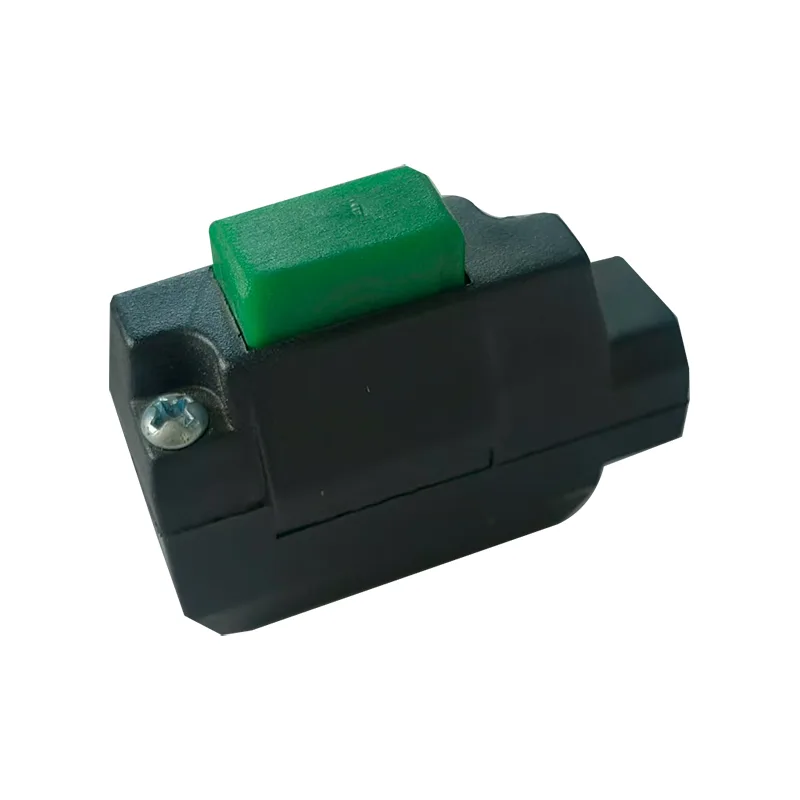
What Problems Can a Poor Textile Machine Switch Button Cause in Daily Production?
I always start with the real workshop problem instead of the product itself. A low-quality switch button does not usually fail in a clean and obvious way. It may first become stiff, respond inconsistently, or require extra pressure from the operator. These small issues can slowly turn into bigger losses.
- Operators may need to press the button several times before the machine responds.
- Alarm reset actions may become slower during warp stop handling.
- Dust or moisture may enter the housing and affect internal contacts.
- Frequent replacement may increase maintenance workload.
- Incorrect or delayed machine control may increase fabric defects.
- Unstable operation may interrupt continuous weaving schedules.
For mills that run multiple looms at the same time, these small interruptions are not small at all. One unreliable button can delay one machine, but dozens of weak buttons across a production line can quietly reduce output every day. That is why I consider the Textile Machine Switch Button a small part with a direct influence on production stability.
Which Features Should I Check Before Choosing a Textile Machine Switch Button?
When I evaluate a switch button for textile machinery, I do not judge it only by appearance. I look at how it behaves under actual mill conditions. Textile workshops are not gentle places for electrical control components. Lint, dust, moisture, oil mist, vibration, and frequent hand operation all test the structure of the button.
| Feature I Check | Why It Matters in Textile Production | What a Better Button Should Offer |
|---|---|---|
| Sealed housing | Textile workshops often contain lint, dust, and moisture that may affect internal circuits. | A tighter structure that helps reduce contamination and short-circuit risks. |
| Contact stability | Frequent pressing can wear down weak contact points over time. | Reliable triggering and stable electrical response during repeated operation. |
| Pressing feel | Operators need clear feedback, especially during fast start, stop, or reset actions. | A comfortable button pressure with clear tactile response. |
| Compatibility | Maintenance teams prefer parts that can replace existing buttons without major rewiring. | Standard wiring design suitable for common textile machinery applications. |
| Surface grip | Workers may wear gloves or operate machines in humid conditions. | An anti-slip surface that supports safer and easier operation. |
| Durability | Switch buttons are touched repeatedly during every shift. | Strong mechanical performance for long-term use in high-frequency operation. |
A good Textile Machine Switch Button should make operation feel direct and predictable. I do not want a button that creates doubt. In a workshop, the operator should know immediately whether the command has been triggered.
Is a Textile Machine Switch Button Only Used for Starting and Stopping Equipment?
Many buyers first think of a switch button as a basic start-and-stop control. That is true, but the actual role can be broader depending on the machine and system design. In textile production, switch buttons may support several important control actions.
- Starting and stopping loom operation
- Resetting alarms after warp break detection
- Switching certain working modes
- Supporting warp stop frame electrical control
- Helping operators respond quickly during fault handling
- Improving control convenience on rapier looms and shuttleless looms
In my view, the most valuable switch button is not the one that only works when everything is clean and perfect. It is the one that still responds reliably when the workshop is busy, the machine has been running for hours, and the operator needs to reset the system quickly.
Why Does Workshop Environment Matter When Selecting a Textile Machine Switch Button?
Textile equipment parts must match the environment where they are used. A component that works well in a clean testing room may not perform the same way beside a working loom. Weaving mills often have airborne fiber, changing humidity, machine vibration, and continuous operating schedules.
That is why I prefer a Textile Machine Switch Button designed with protection and repeated use in mind. If the button housing allows dust or moisture to enter easily, the internal contact system may become unstable. If the button surface is too smooth, workers wearing gloves may not operate it comfortably. If the pressing force is poorly designed, the operator may either press it accidentally or struggle to trigger it during urgent moments.
For buyers, this means the correct selection should not be based only on price. The better question is whether the button can keep working under the actual production conditions of the mill.
Which Buyers Usually Need a More Reliable Textile Machine Switch Button?
I usually recommend paying extra attention to switch quality when the buyer belongs to one of these categories.
| Buyer Type | Common Pain Point | How the Right Button Helps |
|---|---|---|
| Weaving mill operators | Frequent machine start, stop, and reset actions during daily production. | Improves operator control and reduces response uncertainty. |
| Maintenance teams | Need fast replacement parts without complicated installation. | Standardized design can help shorten repair time. |
| Equipment distributors | Customers need practical spare parts for different loom applications. | A stable product range supports repeat demand from textile clients. |
| Textile machinery manufacturers | Need dependable control components for machine assembly or upgrade. | Consistent button performance helps improve equipment reliability. |
| Factories upgrading old machines | Existing buttons may become worn, loose, or slow to respond. | Replacement buttons can improve daily control without replacing the full machine. |
For these buyers, the Textile Machine Switch Button is not just a spare part. It is part of the operator’s daily workflow, and it affects how smoothly the production line responds to problems.
How Can a Better Textile Machine Switch Button Reduce Downtime?
Downtime is expensive because it rarely stops at one machine. When a loom stops unexpectedly, workers must identify the issue, reset the system, check the fabric condition, and restart production. If the control button itself is unreliable, troubleshooting becomes slower and more frustrating.
A better switch button helps in three practical ways. First, it provides more stable triggering, so the operator can complete the action with confidence. Second, it reduces the chance of failure caused by dust, lint, or moisture entering the component. Third, it supports faster maintenance when replacement is necessary.
- Stable response helps operators act quickly during fault handling.
- Durable contacts reduce problems caused by repeated pressing.
- Protected structure helps extend service life in textile workshops.
- Easy installation can reduce machine downtime during replacement.
- Clear tactile feedback helps reduce mistaken operation.
I would rather replace a weak switch button before it causes repeated stoppages than wait until it becomes a production bottleneck. Preventive replacement is often much cheaper than losing production time during peak order periods.
What Makes Changxin’s Textile Machine Switch Button Suitable for Loom Applications?
From the product information and application direction, Changxin’s switch button is positioned for textile machinery control, especially for loom and warp stop related use. What I find practical is that the design direction focuses on real mill conditions rather than only general electrical use.
The button is described for control actions such as machine start and stop, operating mode switching, and alarm reset. It is also suitable for warp stop frame electrical boxes and can be used in textile machinery environments where dust, lint, humidity, and frequent operation are common. For buyers who deal with rapier looms, projectile looms, or shuttleless loom systems, this kind of application focus is important.
I also like that the product direction includes compatibility and replacement convenience. In many mills, maintenance workers do not want a component that requires complex rewiring or long machine shutdown. A practical Textile Machine Switch Button should be simple to install, easy to operate, and stable enough for long-term production use.
How Should I Compare Price and Value When Buying a Textile Machine Switch Button?
I understand why buyers compare prices first. Spare parts budgets matter, especially when a factory needs many buttons at once. However, with control components, the cheapest option may become expensive if it leads to repeated failures, slow resets, or extra maintenance.
| Buying Factor | Low-Value Choice | Better-Value Choice |
|---|---|---|
| Unit price | Looks attractive at first but may have unstable performance. | Reasonable price with stronger durability and fewer replacement issues. |
| Service life | Shorter use cycle may increase long-term costs. | Longer service life helps reduce frequent maintenance. |
| Installation | May require adjustment or extra wiring work. | Designed for easier replacement in common textile equipment systems. |
| Operator experience | Unclear feedback may lead to repeated pressing or mistakes. | Clear pressing feel supports faster and safer operation. |
| Supplier support | Limited product knowledge or inconsistent supply. | Textile equipment supplier with industry experience and product matching ability. |
My suggestion is simple. Do not calculate only the cost of the button. Calculate the cost of the button plus the time needed to replace it, the risk of machine stoppage, and the frustration caused by unstable control.
What Questions Should I Ask Before Sending an Inquiry?
Before I send an inquiry for a Textile Machine Switch Button, I prepare several details. This helps the supplier recommend the right product faster and avoids unnecessary back-and-forth communication.
- What machine or loom model will the switch button be used for?
- Is the button needed for start, stop, reset, alarm control, or mode switching?
- What is the current button size and wiring style?
- How many pieces are needed for trial order or bulk replacement?
- Does the workshop have high humidity, dust, lint, or heavy continuous operation?
- Is customization required for appearance, pressure feel, wiring, or installation structure?
The more clearly I provide these details, the easier it is to receive a useful quotation and product recommendation. For professional buyers, this also makes the sourcing process faster and more reliable.
Why Should I Consider Changshu Changxin Textile Equipment Co., Ltd. for Textile Equipment Parts?
When choosing textile machinery parts, I prefer suppliers that understand the working conditions of textile production. Changshu Changxin Textile Equipment Co., Ltd. focuses on textile equipment components, including warp stop motion related parts, warp stop bars, warp stop boxes, brackets, divider strips, and switch button products. This matters because a supplier with textile equipment experience is more likely to understand how small parts perform inside real weaving environments.
For buyers who need a dependable Textile Machine Switch Button, the value is not only in the button itself. It is also in product matching, stable supply, communication efficiency, and the ability to support replacement or customization needs. In textile production, those details can make the purchasing process much smoother.
Is Now a Good Time to Upgrade the Textile Machine Switch Button on Older Looms?
I would say yes if the current buttons show any signs of slow response, loose pressing, surface wear, moisture damage, or frequent replacement. Older looms do not always need a full electrical system upgrade to improve daily operation. Sometimes, replacing the control buttons can make the machine easier and safer to handle.
A practical Textile Machine Switch Button can help mills maintain smoother control, reduce small interruptions, and support operators who work under fast production schedules. For factories handling cotton weaving, chemical fiber production, industrial fabrics, or general loom operation, this small component deserves more attention than it usually receives.
If you are sourcing textile machinery spare parts, planning a loom maintenance project, or looking for a more stable switch solution for warp stop systems, I recommend reviewing the product details and discussing your application needs directly with the supplier. For quotations, customization details, or bulk purchase support, please leave an inquiry or contact us today to get professional assistance from Changshu Changxin Textile Equipment Co., Ltd.