
What is the Best Way to Cut and Sew Hanger Well Polyester Heavy-weight Woolen Fabric
2026-05-12
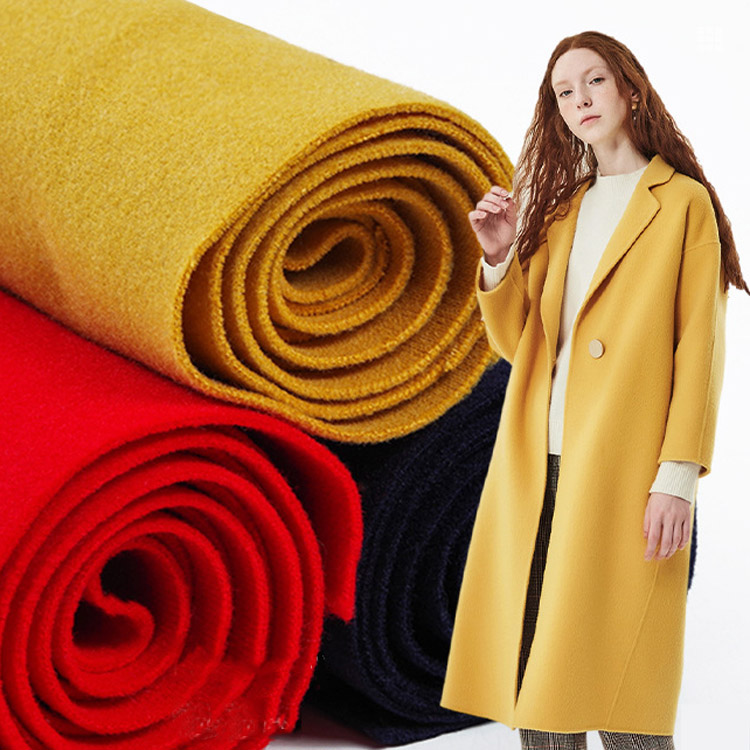
When working with Hanger Well Polyester Heavy-weight Woolen Fabric, many textile professionals and DIY enthusiasts face challenges in cutting and sewing this robust material. As a trusted name in industrial and home sewing solutions, Jufei provides expert guidance to help you achieve flawless results. This durable blend combines the warmth of wool with the resilience of polyester, making it ideal for coats, upholstery, and winter accessories. Below, we break down the best techniques for handling Hanger Well Polyester Heavy-weight Woolen Fabric with precision.
Cutting Techniques for Heavy-weight Woolen Blends
| Step | Tool Recommended | Pro Tip from Jufei |
|---|---|---|
| 1. Prepare fabric | Rotary cutter or shears | Use a cutting mat and weights instead of pins to avoid shifting |
| 2. Mark pattern | Tailor’s chalk or washable pen | Test on a scrap piece of Hanger Well Polyester Heavy-weight Woolen Fabric first |
| 3. Cut single layer | Electric rotary cutter for thick piles | Never fold; heavy weight causes misalignment |
| 4. Secure edges | Zigzag or overlock stitch right after cutting | Prevents fraying of polyester-wool blend |
Sewing Settings and Needle Selection
Jufei recommends the following machine settings for Hanger Well Polyester Heavy-weight Woolen Fabric:
-
Needle type: Size 90/14 or 100/16 universal or jean needle
-
Thread: Heavy-duty polyester thread (40 wt or lower)
-
Stitch length: 3–4 mm for straight stitch; 2–3 mm for zigzag
-
Presser foot pressure: Reduce by 20–30% to prevent fabric compression
-
Seam finish: French seam or bound seam for best durability
Common Mistakes to Avoid
-
Using dull blades – causes pulling and uneven edges
-
Skipping pressing – always press seams with a pressing cloth and medium heat
-
Ignoring grainline – heavy woolen fabrics distort easily if cut off-grain
Hanger Well Polyester Heavy-weight Woolen Fabric FAQ Common Questions
Question 1: Can I wash Hanger Well Polyester Heavy-weight Woolen Fabric before cutting and sewing?
Answer: Yes, Jufei strongly recommends pre-washing Hanger Well Polyester Heavy-weight Woolen Fabric in cold water on a gentle cycle or hand washing. Air dry flat or tumble dry on low heat. This pre-shrinks the fabric and removes any factory finishes that may interfere with cutting accuracy and seam quality. Avoid hot water or high heat drying, as the wool component may felt or shrink unevenly despite the polyester blend.
Question 2: What is the best stitch type for seams on Hanger Well Polyester Heavy-weight Woolen Fabric to prevent ripping?
Answer: For high-stress areas like armholes and side seams, Jufei recommends a reinforced straight stitch (length 3–3.5 mm) combined with a second row of stitching 3 mm apart. Alternatively, use a three-step zigzag stitch (width 4 mm, length 2.5 mm) which allows the seam to stretch slightly without breaking. For outerwear and upholstery applications, a flat-felled seam provides the highest durability on Hanger Well Polyester Heavy-weight Woolen Fabric.
Question 3: How do I prevent the fabric from slipping while sewing Hanger Well Polyester Heavy-weight Woolen Fabric on a home machine?
Answer: Place a strip of masking tape or washi tape along the sole of the presser foot to increase friction. You can also use a walking foot attachment, which Jufei considers essential for Hanger Well Polyester Heavy-weight Woolen Fabric on home sewing machines. Sew at a moderate speed (never max speed) and guide the fabric without pulling. For very thick layers, hand-crank the needle through the thickest intersections to avoid needle breakage.
Final Pro Tips from Jufei
Always test your stitch settings on two layers of Hanger Well Polyester Heavy-weight Woolen Fabric before starting the final project. Use a pressing cloth and steam sparingly – too much moisture can temporarily alter the fabric’s structure. Store unused portions rolled, not folded, to prevent crease marks that are difficult to remove.
Contact Us
Have more questions about working with Hanger Well Polyester Heavy-weight Woolen Fabric or need bulk orders for your next project Contact Jufei today through our website or customer service hotline. Our textile specialists are ready to help you select the right tools, thread, and techniques for professional-grade results every time.