

What Factors Affect the Price of Polyester Partially Oriented Yarn in the Global Market
2026-10-22
Polyester Partially Oriented Yarn pricing is shaped by a complex mix of raw material costs, energy expenses, production capacity, and trade dynamics, and buyers who understand these forces can negotiate far more effectively. At Hongcheng, we track these variables daily so that customers receive transparent, competitive quotations backed by stable quality. This analysis breaks down the primary cost drivers and offers practical guidance for procurement teams navigating volatile markets.
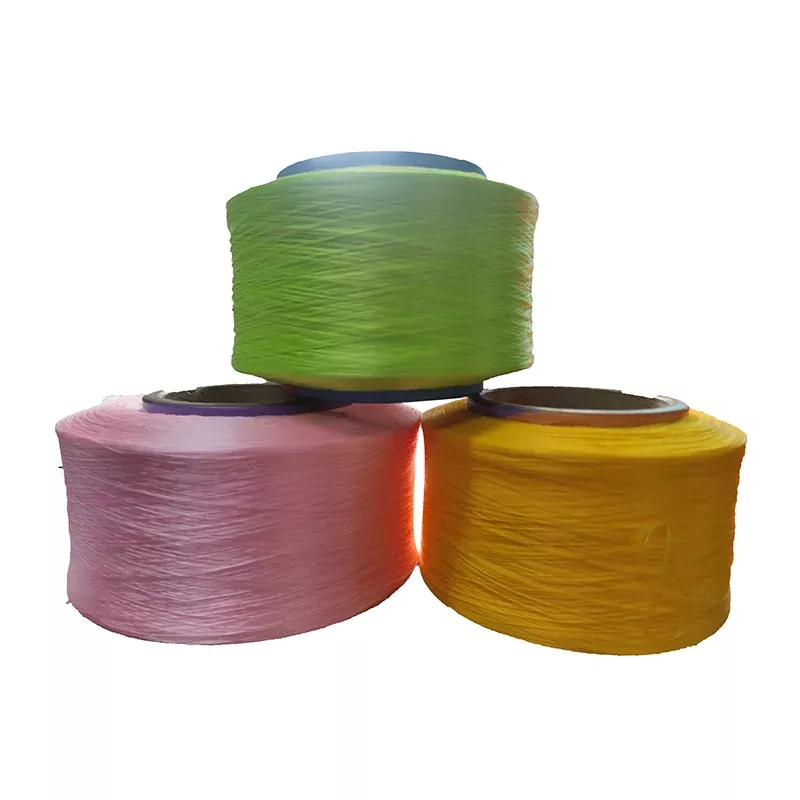
1. Raw Material Costs: PTA and MEG
The dominant cost component of Polyester Partially Oriented Yarn is purified terephthalic acid (PTA) and monoethylene glycol (MEG), which together account for roughly 70–85% of total production cost. PTA prices move with paraxylene and crude oil benchmarks, while MEG is influenced by ethylene supply and coal-based production in Asia. When upstream energy markets tighten, Polyester Partially Oriented Yarn prices typically follow within weeks.
2. Energy and Utility Expenses
Melt spinning is energy-intensive. Electricity, steam, and natural gas costs vary significantly by region, giving producers in low-energy-cost areas a structural advantage. Seasonal peaks in industrial power demand can push Polyester Partially Oriented Yarn quotes upward, particularly in markets reliant on grid electricity.
3. Supply–Demand Balance and Capacity Utilization
Oversupply in major producing regions compresses margins and lowers export prices, while plant turnarounds, maintenance shutdowns, or sudden demand surges tighten availability. Utilization rates above 85% generally signal firmer pricing for Polyester Partially Oriented Yarn.
4. Exchange Rates and Trade Policy
Because Polyester Partially Oriented Yarn trades heavily in US dollars, currency fluctuations alter landed costs for importers. Anti-dumping duties, tariffs, and Rules of Origin requirements can create price gaps of 5–15% between origins, making sourcing strategy a direct cost lever.
5. Logistics, Freight, and Packaging
Container freight rates, port congestion, and inland transport add volatility, especially for distant buyers. Packaging specifications—paper tube quality, pallet type, and bobbin weight—also influence unit cost.
Key Price Drivers at a Glance
| Factor | Impact on Price | Typical Volatility |
|---|---|---|
| PTA & MEG feedstock | Very high | High |
| Energy and utilities | High | Medium–high |
| Capacity utilization | High | Medium |
| Exchange rates & duties | Medium–high | Medium |
| Freight & packaging | Medium | High |
6. Quality Specifications and Value-Added Features
Denier, filament count, tenacity, elongation, oil pickup, and CV% consistency all affect pricing. Recycled or low-shrinkage variants of Polyester Partially Oriented Yarn command premiums, while tight specification tolerances raise processing costs. Hongcheng maintains batch-to-batch consistency through inline monitoring, reducing downstream waste for spinners and texturizers.
Frequently Asked Questions
Q: How does PTA price movement affect Polyester Partially Oriented Yarn quotations?
A: PTA typically represents 60–70% of the raw material cost, so a 10% rise in PTA can lift Polyester Partially Oriented Yarn prices by roughly 6–8% within a few weeks, depending on contract terms and inventory buffers.
Q: Why do Polyester Partially Oriented Yarn prices differ between suppliers for the same specification?
A: Differences stem from energy costs, raw material procurement scale, quality consistency, packaging, payment terms, and freight origin. Lower quotes may reflect wider specification tolerances or older equipment, so buyers should compare test reports rather than price alone.
Q: Is recycled Polyester Partially Oriented Yarn more expensive than virgin material?
A: Yes, recycled Polyester Partially Oriented Yarn generally carries a premium of 5–20% due to collection, sorting, and certification costs, though the gap narrows as brand demand for sustainable feedstock scales up.
Q: How can buyers reduce price risk when purchasing Polyester Partially Oriented Yarn?
A: Locking feedstock-linked formulas, consolidating volumes with a dependable partner, and scheduling shipments around known turnaround seasons are effective strategies. Working with Hongcheng provides access to consistent specifications, flexible order planning, and responsive technical support.
Understanding these drivers turns price discussions into informed decisions rather than guesswork. Contact us today to request a current Polyester Partially Oriented Yarn quotation, specification sheet, or sample lot, and let Hongcheng support your next production cycle with reliable supply and transparent pricing.