What Are the Pros and Cons of Bonded Leather for Upholstery Projects
2026-07-21
When selecting materials for furniture restoration or custom seating, designers and DIY enthusiasts often weigh cost against longevity. Among the many options available, bonded leather frequently appears as an affordable alternative to genuine hides. Yet understanding its true performance requires a closer look at its composition, durability, and maintenance needs. At Most-Textile, we have evaluated hundreds of leather for upholstery samples across residential and commercial settings, and bonded leather consistently sparks the most debate. This guide breaks down its real-world advantages and disadvantages, helping you decide if it fits your next project.
What Exactly Is Bonded Leather?
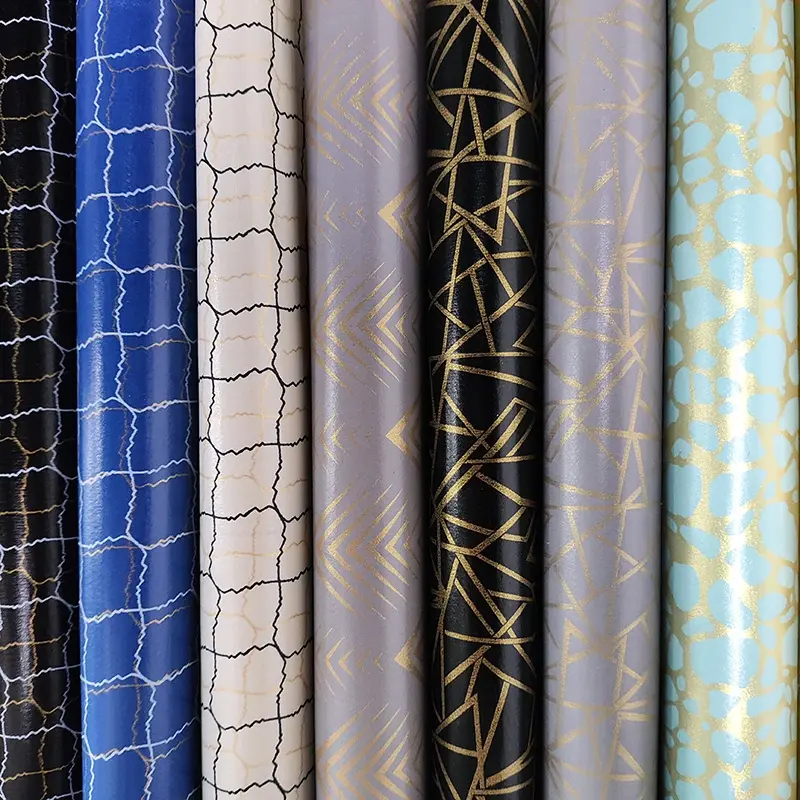
Bonded leather is manufactured from leather scraps, fibers, and shavings that are shredded, mixed with polyurethane or latex binders, and then rolled into sheets. An embossed grain pattern is pressed onto the surface to mimic full-grain or top-grain hides. Unlike genuine top-grain leather for upholstery, bonded leather contains only 10% to 20% actual animal hide by weight—the rest is adhesive and backing materials.
The Pros of Bonded Leather
| Advantage | Why It Matters |
|---|---|
| Low upfront cost | Priced 50–70% less than full-grain hides, making large-scale projects budget-friendly. |
| Uniform appearance | Manufactured sheets offer consistent color, texture, and grain—no natural scars or blemishes. |
| Lightweight | Easier to cut, sew, and install compared to thick full-grain leather for upholstery. |
| Variety of finishes | Available in hundreds of colors and embossed patterns that real hides rarely offer. |
| Eco-friendly use of waste | Repurposes tannery leftovers that would otherwise go to landfills. |
For temporary furniture, rental properties, or high-turnover showrooms, these benefits make bonded leather for upholstery an attractive short-term solution.
The Cons of Bonded Leather
| Disadvantage | Why It Fails Over Time |
|---|---|
| Poor breathability | Plastic binders block air circulation, causing sticky discomfort in warm climates. |
| Prone to peeling | The surface coating delaminates from the fiber backing within 2–5 years of regular use. |
| No patina development | Unlike full-grain hides, bonded leather does not age gracefully—it cracks and flakes instead. |
| Water sensitivity | Moisture penetrates the backing, causing swelling and permanent deformation. |
| Non-repairable | Scratches, stains, or tears cannot be sanded or refinished; replacement is the only fix. |
| Short lifespan | Average durability: 2–4 years for daily-use sofas vs. 10–20 years for top-grain leather for upholstery. |
In commercial settings like restaurants or clinics, bonded leather often fails within 18 months, leading to higher long-term replacement costs.
Bonded vs. Other Leather Types – Quick Comparison
| Property | Bonded Leather | Top-Grain Leather | Faux Leather (PVC/PU) |
|---|---|---|---|
| Real hide content | 10–20% | 100% | 0% |
| Lifespan (daily use) | 2–4 years | 10–20 years | 3–6 years |
| Repairable | No | Yes (sanding, dyeing) | No |
| Breathability | Poor | Excellent | Very poor |
| Cost per sq. ft. | $2–$4 | $8–$20 | $3–$7 |
| Best application | Occasional seating | Heirloom furniture | Outdoor / marine |
When Should You Choose Bonded Leather?
Choose bonded leather for upholstery only if:
-
The furniture will be used sparingly (guest rooms, display pieces).
-
You need a specific color match for a short-term collection.
-
Your budget strictly limits material costs to under $500 for an entire sofa.
Avoid bonded leather for:
-
Daily family sofas, office chairs, or car interiors.
-
Humid or unairconditioned spaces.
-
Any piece you expect to keep longer than 3 years.
FAQ – Common Questions About Leather for Upholstery
Q: Can bonded leather be repaired if it starts cracking?
A: No. Cracking in bonded leather for upholstery indicates that the polyurethane topcoat has separated from the fiber matrix. Unlike full-grain hides, which can be sanded, re-stained, and re-sealed, bonded leather has no solid hide structure to work with. Repair kits may temporarily fill minor surface scratches, but they cannot restore the material's integrity. Once peeling begins, the only practical solution is full replacement. At Most-Textile, we advise clients to budget for reupholstering within 3 years when using bonded materials.
Q: How do I clean bonded leather without damaging the surface?
A: Cleaning bonded leather for upholstery requires extra care because the plastic coating is susceptible to abrasion. Use only a soft microfiber cloth slightly dampened with distilled water—never saturate the surface. Add one drop of mild castile soap per cup of water for stubborn spots, but avoid commercial leather conditioners, oils, or waxes, as these cannot penetrate the synthetic layer and often leave sticky residues that attract dust. Wipe dry immediately with a second cloth. Never use alcohol, ammonia, or citrus-based cleaners; they will accelerate the breakdown of the binder adhesive. For daily maintenance, vacuum with a soft brush attachment to remove grit that acts like sandpaper on the embossed grain.
Q: Is bonded leather environmentally better than synthetic faux leather?
A: The answer depends on your metric. Bonded leather for upholstery does recycle tannery waste (positive for landfill reduction), but its production uses petroleum-based polyurethanes and adhesives that emit volatile organic compounds during manufacturing. Furthermore, its short lifespan means more frequent disposal—and bonded leather is notoriously difficult to recycle again because the fibers are already bound with plastics. By contrast, high-quality PVC-free faux leathers may last 5–7 years and are increasingly made from bio-based polymers. However, neither option matches the circular economy potential of full-grain vegetable-tanned hides, which can last decades and eventually biodegrade. For eco-conscious projects, Most-Textile recommends weighing total lifecycle emissions rather than just raw material composition.
Final Verdict from Most-Textile
Bonded leather serves a narrow but legitimate niche: low-budget, short-term, or low-use upholstery projects. It is not a substitute for genuine leather for upholstery in quality-focused work. The cost savings at purchase are often offset by replacement labor and material expenses within a few years. For commercial designers, hospitality firms, and homeowners who value longevity, we consistently recommend full-grain or top-grain hides—even if the upfront investment is higher.
Contact Us
Every project has unique performance requirements, and material selection should never be a one-size-fits-all decision. Most-Textile offers free swatch samples, durability testing reports, and one-on-one consultations to match your specific use case with the right leather for upholstery. Whether you are sourcing for a 50-seat restaurant, a luxury yacht interior, or a single heirloom armchair, our team provides data-backed recommendations without sales pressure.