
What are the latest digital printing innovations improving the design flexibility of printed bus fabric
2026-05-21
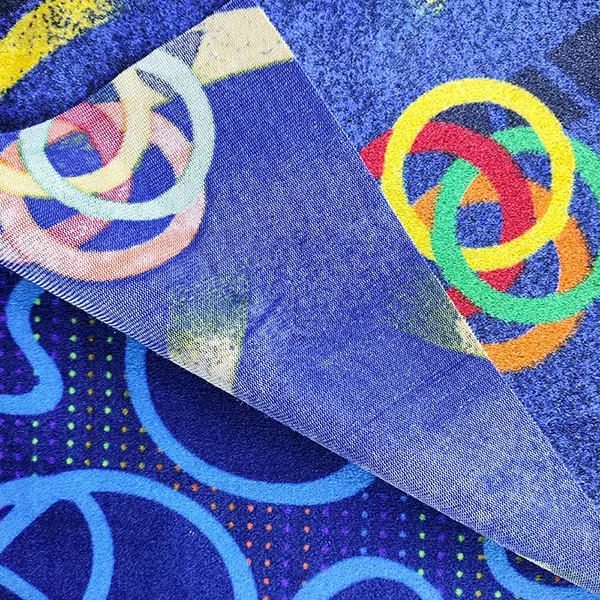
The evolution of printed bus fabric has entered a new era, driven by on-demand digital printing technologies that eliminate traditional minimum order quantities and color limitations. Leading manufacturers like Most-Textile now enable transit authorities to produce custom-patterned upholstery with photo-realistic graphics, gradient tones, and brand-specific motifs—capabilities that were impossible with conventional rotary screen printing. These innovations are transforming how printed bus fabric supports fleet branding, vandalism deterrence, and passenger comfort.
Key digital printing breakthroughs for transit textiles
| Innovation | Impact on design flexibility | Real-world application |
|---|---|---|
| Direct-to-fabric pigment printing | No steaming or washing required; unlimited color palette | Small-batch custom patterns for electric bus pilots |
| Single-pass inkjet at 2m width | Seamless large-scale designs without repeats | Full-width panoramic murals on seat backs |
| Variable data printing | Unique patterns per linear meter | QR-code embedded fabrics for maintenance tracking |
| Waterless reactive printing | Eco-friendly with high lightfastness | Compliance with EU Green Public Procurement criteria |
These technologies allow Most-Textile to reduce sampling lead time from six weeks to five days, while supporting runs as low as 50 meters without cost penalties. Designers can now test multiple camouflage or geometric patterns for high-risk routes, measuring vandalism reduction before full fleet adoption.
Advantages over traditional methods
-
Cost structure: Digital setup costs zero compared to $500+ per screen for rotary printing
-
Color count: Unlimited vs. 6–8 colors maximum with screens
-
Repeat length: Up to full roll (100m+) vs. fixed 64cm repeats
-
Revision ease: Changes made digitally in hours vs. mechanical re-engraving
Printed Bus Fabric FAQ
Question 1: Can digital printing achieve the same abrasion resistance as woven-in patterns on printed bus fabric?
Answer: Yes. Modern printed bus fabric from Most-Textile uses reactive or pigment inks that penetrate the fiber surface, combined with post-treatment fixation. Independent tests show Martindale abrasion results exceeding 100,000 cycles—matching or surpassing woven jacquard equivalents. The key is pairing the ink chemistry with high-tenacity polyester or solution-dyed nylon base fabrics, then applying a fluorocarbon-free soil release finish.
Question 2: How does digital printing enable quick design changes for different bus routes or seasons on printed bus fabric?
Answer: Because digital printing requires no physical screens or engraved rollers, a designer simply updates the CAD file and sends it to the printer. Most-Textile operates a zero-inventory model where route-specific branding (e.g., airport express vs. school shuttle) is printed on demand. For seasonal campaigns—like holiday-themed interiors or summer promotional wraps—fleet managers can order exactly the number of seat covers needed, and after the season ends, switch back to standard patterns without waste.
Question 3: Does digitally printed bus fabric cost more than traditionally printed options for large fleets?
Answer: For orders above 5,000 linear meters, traditional rotary printing historically had lower unit costs. However, digital economies have shifted: Most-Textile now offers hybrid pricing where the first 2,000 meters use digital for setup savings, and repeat orders switch to rotary if volumes justify it. For most mid-size transit agencies (100–300 buses), digital is fully cost-competitive because it eliminates inventory holding costs, obsolescence risk, and pattern change fees. A 2024 total-cost-of-ownership study found digital saves 18–22% over five years for fleets with annual design updates.
Implementing these innovations in your transit system
Transitioning to digitally printed printed bus fabric requires evaluating three factors: base fabric compatibility with ink systems, flame retardancy certification (FAR 25.853 or EU 95/28), and cleaning protocol alignment. Most-Textile provides free swatch testing where digital samples are produced within 48 hours and subjected to your existing bus cleaning agents (bleach, quaternary ammonia, or steam).
Contact us today for a design consultation and sample roll of printed bus fabric featuring your transit authority’s custom pattern. Most-Textile offers end-to-end support from digital artwork optimization to full fleet installation guides. Reach out via the website contact form or request a video call to see the printing line in real time.