

What Are the Key Benefits of Using Triacetate for Lightweight Summer Scarves
2026-04-01
When the summer heat calls for effortless elegance, Triacetate Scarf Fabric emerges as a standout choice for those who refuse to compromise on comfort or style. At Nashe, we have long recognized that the ideal warm-weather accessory must balance breathability, structure, and a luxurious hand-feel—qualities that triacetate delivers with exceptional precision. This semi-synthetic fiber, derived from wood pulp, undergoes a unique manufacturing process that results in a fabric uniquely suited for lightweight summer scarves.
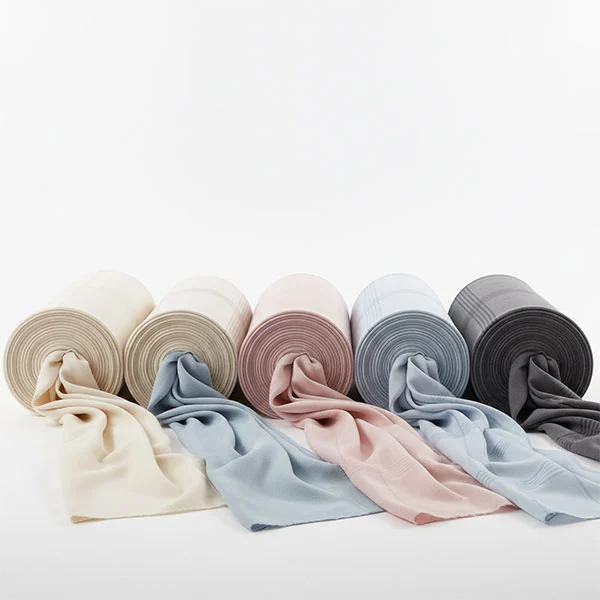
The Core Advantages of Triacetate in Summer Wear
To understand why Triacetate Scarf Fabric has become a preferred material for premium summer accessories, it is essential to examine its performance characteristics through a technical lens. The table below outlines the primary benefits that distinguish triacetate from conventional summer fabrics.
| Benefit | Description | Impact on Summer Scarf Performance |
|---|---|---|
| Superior Drape | Triacetate fibers possess a natural elasticity that allows fabric to fall in soft, fluid folds. | Creates elegant silhouettes without stiffness, ideal for both casual draping and structured styling. |
| Moisture Management | The fiber’s low moisture regain rate enables rapid evaporation. | Prevents dampness against the skin, ensuring lasting comfort even in high humidity. |
| Wrinkle Resistance | Exceptional shape retention due to thermal setting properties. | Maintains a pristine appearance throughout the day, eliminating the need for constant ironing. |
| Color Vibrancy | High affinity for dyes results in deep, uniform color saturation. | Prints and patterns remain sharp and fade-resistant after repeated sun exposure. |
| Thermal Insulation | Despite its lightweight nature, triacetate offers moderate UV protection. | Provides a breathable barrier that shields the skin without trapping heat. |
Beyond these quantifiable attributes, Nashe emphasizes the tactile experience. The smooth surface of Triacetate Scarf Fabric glides over hair and skin without tugging or static buildup—a subtle yet critical detail for summer layering. Additionally, its resistance to shrinkage and fading ensures that a scarf purchased today will retain its original dimensions and hue for many seasons, making it a sustainable investment in one’s wardrobe.
Technical Considerations for Design and Care
From a design perspective, triacetate offers distinct advantages over both natural silks and standard polyesters. Unlike silk, which can be prone to water spots and requires delicate handling, Triacetate Scarf Fabric is machine-washable on gentle cycles while maintaining its structural integrity. Compared to polyester, triacetate breathes more effectively, reducing the clamminess often associated with synthetic summer accessories.
Nashe incorporates triacetate into collections specifically engineered for travel and outdoor summer occasions. The fabric’s quick-drying nature means that a scarf can be hand-washed in a hotel sink and be ready to wear within hours—a practical advantage for the modern consumer who values both style and functionality.
Frequently Asked Questions About Triacetate Scarf Fabric
What makes triacetate different from regular acetate in scarf applications?
While both are cellulose-based, triacetate contains a higher percentage of acetyl groups, which fundamentally alters its molecular structure. This difference grants triacetate superior heat resistance, allowing it to be ironed at higher temperatures without melting or distorting. For scarf applications, this means crisper pleats, better shape retention after washing, and a more silk-like luster that does not diminish over time. Regular acetate, by contrast, is more sensitive to heat and prone to wrinkling, making it less suitable for lightweight summer accessories that require frequent packing and wearing.
Is triacetate scarf fabric environmentally preferable to conventional synthetics?
Triacetate is derived from wood pulp sourced from managed forests, placing it within the category of regenerated cellulosic fibers. Unlike conventional polyester, which is petroleum-based and contributes to microplastic shedding, triacetate is biodegradable under industrial conditions. Furthermore, the closed-loop production processes used by leading manufacturers recover and reuse solvents, significantly reducing water consumption and chemical discharge compared to traditional textile dyeing methods. While no fiber is without environmental impact, Triacetate Scarf Fabric offers a more responsible alternative for consumers seeking to reduce reliance on fossil-fuel-derived materials without sacrificing performance.
How should a triacetate summer scarf be cared for to ensure longevity?
To maximize the lifespan of a triacetate scarf, gentle care practices are recommended. Machine washing in cold water using a delicate cycle with mild detergent is generally safe, though placing the scarf in a mesh laundry bag prevents friction damage. High heat should be avoided in drying; instead, lay the scarf flat or hang it in a shaded area to air dry. When ironing, use a medium-high setting (suitable for triacetate’s heat tolerance) and iron while the fabric is slightly damp for best results. Avoid bleach and fabric softeners, as these can degrade the fiber’s natural luster and moisture-wicking properties. With proper care, a Triacetate Scarf Fabric accessory from Nashe will maintain its drape and vibrancy for years of seasonal wear.
Elevate Your Summer Collection with Nashe
Selecting the right fabric defines the character of an accessory. For designers, retailers, and discerning individuals alike, Triacetate Scarf Fabric represents a convergence of technical performance and refined aesthetics—a material that breathes with the body, resists the rigors of summer travel, and presents color with unparalleled depth.
Nashe is dedicated to sourcing and crafting scarves that embody these principles, ensuring that every piece meets the highest standards of quality and sustainability.
For inquiries about our Triacetate Scarf Fabric collections, custom orders, or to discuss wholesale opportunities, contact us today and experience the Nashe standard firsthand.