Abstract
Anti-bird netting is an effective and widely used solution for protecting agricultural crops, industrial facilities,
rooftops, and commercial properties from bird-related damage. Birds can cause significant economic loss through
contamination, structural damage, and product degradation. This article explains how anti-bird nets work, their
benefits, installation methods, maintenance requirements, and practical applications. It is designed to help property
owners, farmers, and facility managers make informed decisions when selecting and deploying bird protection systems.
1. Understanding the Bird Infestation Problem
Bird intrusion is a persistent issue across agricultural, commercial, and urban environments. Birds often feed on crops,
damage stored goods, and leave droppings that create hygiene risks. In industrial zones, bird nests can obstruct
ventilation systems, damage machinery, and increase maintenance costs.
In agriculture, losses caused by birds can reach significant percentages during harvest seasons. In urban environments,
balconies, rooftops, and warehouses are frequently affected. Traditional deterrents such as sound devices or visual
scare tactics often provide only temporary relief, making physical barriers like anti-bird nets a more reliable solution.
2. What Is Anti-bird Netting?
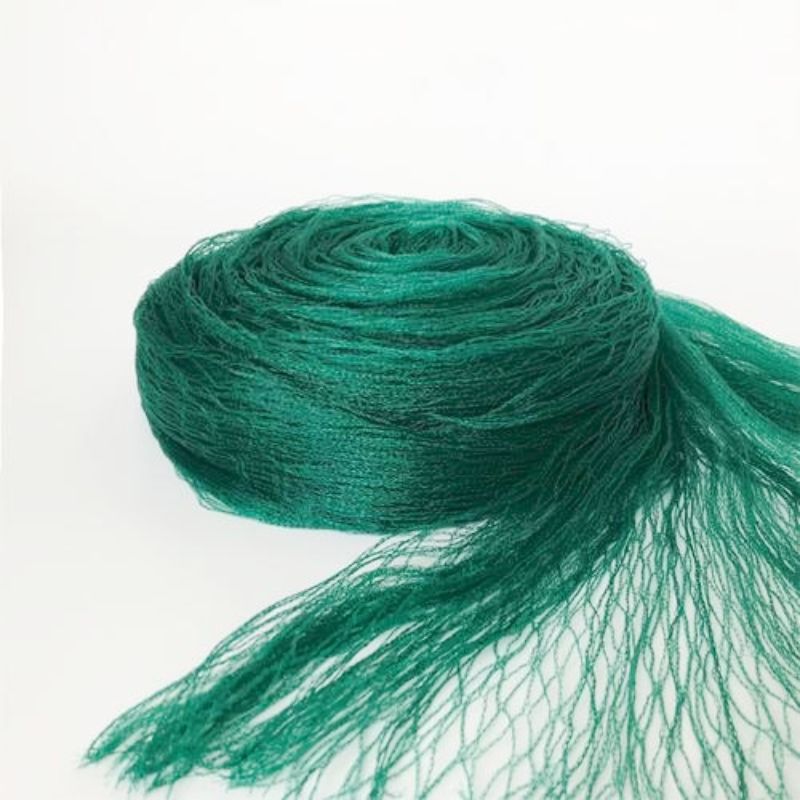
Anti-bird netting is a protective mesh barrier designed to physically prevent birds from accessing specific areas.
It is typically made from high-density polyethylene (HDPE), nylon, or polypropylene, offering UV resistance and long-term durability.
The mesh size is engineered to block birds while allowing air, light, and sometimes water to pass through. This makes it
ideal for agricultural fields, orchards, warehouses, and building facades.
Yantai Double Plastic Industry Co.,Ltd. manufactures industrial-grade anti-bird net solutions designed for long-term
outdoor performance and consistent protection in demanding environments.
3. Key Benefits of Anti-bird Nets
-
Physical Protection: Creates a complete barrier against bird intrusion.
-
Cost Efficiency: Reduces long-term cleaning and repair costs.
-
Eco-Friendly Solution: No chemicals or harmful deterrents are required.
-
Durability: UV-stabilized materials ensure long service life.
-
Versatility: Suitable for agriculture, construction, and residential use.
4. Common Applications
Anti-bird nets are widely used across different industries and environments:
-
Agricultural farms (fruit orchards, vineyards, vegetable fields)
-
Fish ponds and aquaculture facilities
-
Warehouses and logistics centers
-
Airports and transportation hubs
-
Residential balconies and rooftops
-
Industrial plants and factories
In agriculture, nets protect crops during critical growth stages. In industrial environments, they prevent contamination
of raw materials and finished goods.
5. Installation Guide
Proper installation is essential to ensure maximum effectiveness and durability of anti-bird nets. Below is a structured
installation process:
-
Site Assessment: Measure the area and identify entry points for birds.
-
Framework Setup: Install support poles, cables, or frames depending on the structure.
-
Net Positioning: Lay the net over the designated area ensuring full coverage.
-
Fixing: Secure the net using clips, ties, or fastening wires.
-
Tension Adjustment: Ensure the net is tight to avoid sagging and bird entry points.
-
Final Inspection: Check for gaps or loose areas and reinforce as needed.
For large-scale installations, professional guidance is recommended to ensure structural integrity and long-term stability.
6. Maintenance and Durability
Anti-bird nets require minimal maintenance, but periodic inspection improves performance and lifespan.
-
Inspect for tears or loose sections every 3–6 months.
-
Remove debris such as leaves or branches that may accumulate.
-
Ensure UV exposure does not degrade material integrity over time.
-
Repair minor damage immediately to prevent expansion of gaps.
High-quality nets can last several years depending on environmental conditions and installation quality.
7. Material Comparison Table
|
Material Type
|
Durability
|
UV Resistance
|
Cost Level
|
Best Use Case
|
|
HDPE Net
|
High
|
Excellent
|
Medium
|
Agriculture & Outdoor Fields
|
|
Nylon Net
|
Very High
|
Good
|
High
|
Industrial & Long-term Use
|
|
Polypropylene Net
|
Medium
|
Moderate
|
Low
|
Temporary Protection
|
8. Frequently Asked Questions
Q1: Can anti-bird nets harm birds?
No, anti-bird nets are designed to physically block entry without harming birds when properly installed.
Q2: How long does an anti-bird net last?
Depending on material quality and exposure conditions, it can last between 3 to 10 years.
Q3: Is professional installation required?
Small-scale installations can be done manually, but large industrial setups benefit from professional installation.
Q4: Can the net withstand strong winds?
Yes, if properly tensioned and supported with a strong framework, it can withstand moderate to strong wind conditions.
9. Conclusion and Contact Information
Anti-bird netting is one of the most reliable and cost-effective methods for preventing bird-related damage across
multiple industries. From agriculture to industrial facilities, its versatility and durability make it an essential
protective solution.
Yantai Double Plastic Industry Co.,Ltd. provides high-quality anti-bird net products engineered for durability,
environmental resistance, and long-term performance. With advanced manufacturing capabilities, the company ensures
consistent product quality and adaptable solutions for different application needs.
For customized specifications, bulk orders, or technical support, please contact us to discuss your project requirements
and receive professional assistance tailored to your application scenario.