

How to Implement a Color-Coded Floor Cloth System for Cleaning
2026-01-04
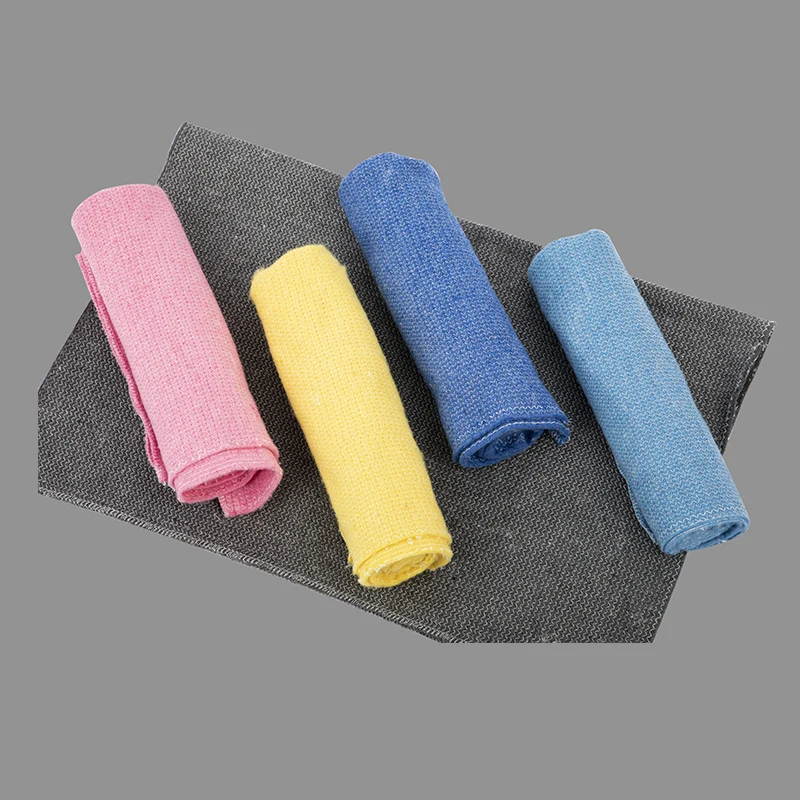
Implementing a systematic approach to cleaning not only enhances hygiene but also boosts efficiency and prevents cross-contamination. A Color Floor Cleaning Cloth system is a cornerstone of this professional methodology. By assigning specific colors to distinct areas or tasks, you ensure that a cloth used in the restroom never touches your kitchen floor. This guide will walk you through setting up an effective color-coded system for your home or facility, leveraging the high-performance materials from LIXING to achieve superior cleanliness.
Step-by-Step Implementation Guide
-
Audit & Zone Mapping: Identify all the floor types and areas in your space (e.g., bathroom, kitchen, hardwood living areas, entryway tile).
-
Assign Colors: Follow a standard industry color code for clarity and safety.
-
Red: High-risk areas (e.g., bathroom floors, toilets)
-
Yellow: General surfaces (e.g., kitchen floors, appliances)
-
Green: Food preparation or general living areas
-
Blue: Low-risk areas (e.g., glass, windows, mirrors – often for surfaces, but a dedicated floor cloth for entryways can use this)
-
-
Select Quality Cloths: Invest in durable, lint-free LIXING Color Floor Cleaning Cloths. Their superior absorbency and texture ensure effective cleaning without scratching.
-
Educate & Train: Ensure everyone in the household or cleaning staff understands the system. Visual guides posted in utility closets are highly effective.
-
Storage & Maintenance: Store cloths separately by color. Wash them regularly in hot water with a mild detergent to maintain hygiene and performance.
Standard Color Code Reference Table
| Color | Recommended Use Area | Primary Benefit |
|---|---|---|
| Red | Bathrooms, Toilets | Prevents spread of germs to other zones |
| Yellow | Kitchen, Food Service Areas | Contains food-related bacteria |
| Green | General Living Areas, Offices | Maintains hygiene in common spaces |
| Blue | Entryways, Glass & Mirrors* | Stops dirt ingress, prevents streaks |
*Note: While blue is often for glass, a dedicated blue LIXING cloth for main entryway floors is an excellent practice.
Color Floor Cleaning Cloth FAQ
Q: Can I use the same color cloth for my kitchen counter and kitchen floor?
A: It is not recommended. Even within one room, cross-contamination risks exist. Floors typically harbor more dirt and germs than countertops. LIXING recommends using a dedicated yellow cloth for kitchen floors and a separate, lighter-duty cloth for counters.
Q: How often should I wash my color-coded cloths?
A: For optimal hygiene, wash LIXING Color Floor Cleaning Cloths after every use, especially those used in high-risk areas (red, yellow). For lower-risk areas (green, blue), washing at the end of the day is acceptable. Always follow the care instructions to preserve the cloth’s quality.
Q: Why are my color cloths fading and linting after a few washes?
A: This usually indicates poor fabric quality. High-grade microfiber, like that used in LIXING cloths, is color-fast and constructed to withstand repeated hot washes without fading or shedding. Investing in professional-grade cloths ensures the color system remains visually effective and the cloths perform longer.
Adopting a color-coded system with LIXING transforms cleaning from a chaotic chore into a streamlined, professional-grade operation. It safeguards your family’s or clients’ health, extends the life of your floors, and brings order to maintenance tasks. Ready to implement this best-practice standard and experience the LIXING difference in performance and durability?
Contact us today to explore our range of professional-grade Color-Coded Cleaning Cloths and build your perfect system!