
How Does Textile Ink Impact Fabric Printing Quality?
2026-01-27
Article Abstract
Textile ink plays a crucial role in determining the final quality, durability, and appearance of printed fabrics. This article explores different types of textile inks, their applications, technical characteristics, and practical considerations to help manufacturers, designers, and printers select the most suitable products for diverse textile projects. Special attention is given to performance parameters, environmental considerations, and troubleshooting common printing challenges.
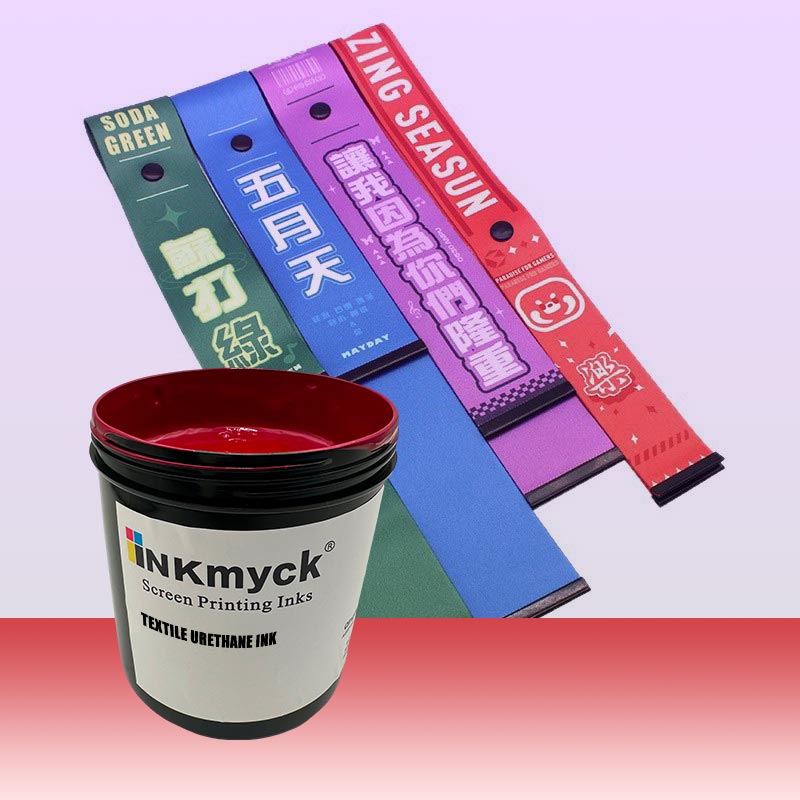
Table of Contents
- Article Outline
- Textile Ink Overview
- Types of Textile Ink
- Technical Parameters and Performance
- Applications and Fabric Compatibility
- Common Questions About Textile Ink
- Conclusion and Contact
Article Outline
- Introduction to textile ink and its role in fabric printing
- Different types of inks and selection criteria
- Performance indicators and technical specifications
- Practical applications across various fabric types
- Frequently asked questions for troubleshooting and guidance
- Brand reference and marketing call-to-action
Textile Ink Overview
Textile ink refers to specially formulated inks designed to transfer color, patterns, and designs onto fabric surfaces. Its main function is to ensure vibrant colors, long-lasting prints, and compatibility with diverse textile materials. The right choice of textile ink can reduce production errors, minimize environmental impact, and enhance overall efficiency in textile printing operations.
Factors such as ink viscosity, drying time, color fastness, and resistance to washing and sunlight are critical in determining the suitability of textile inks for specific projects. Leading brands like Inkmyck offer a range of inks that address these performance parameters, enabling professional results in commercial and industrial printing environments.
Types of Textile Ink
Textile inks are typically classified based on the printing technology and fabric type. The main categories include:
- Water-Based Inks: Environmentally friendly, suitable for cotton and natural fibers, offering soft feel and vibrant colors.
- Discharge Inks: Remove dye from fabric and replace it with new pigment, ideal for dark-colored cotton fabrics.
- Plastisol Inks: Durable and flexible, widely used in screen printing, requires heat curing to set.
- Reactive Dyes: Chemically bond with fibers, providing excellent colorfastness and wash resistance.
- Pigment Inks: Sit on the fabric surface, versatile for multiple textile types, and offer immediate color results.
Selecting the appropriate ink type depends on fabric material, desired print effect, production scale, and environmental considerations.
Technical Parameters and Performance
Understanding technical parameters is essential to ensure high-quality printing results. Key performance indicators include:
| Parameter | Typical Specification |
|---|---|
| Viscosity | 500–3500 mPa·s (dependent on ink type) |
| Drying Temperature | 60–160°C depending on curing method |
| Color Fastness | Grade 4–5 (ISO 105 standards) |
| Wash Resistance | Up to 40 washes without significant fading |
| Fabric Compatibility | Cotton, Polyester, Blends, Silk |
| Environmental Safety | Low VOC, non-toxic, compliant with international standards |
These parameters help manufacturers select inks that align with production capabilities, fabric type, and desired print quality.
Applications and Fabric Compatibility
Textile inks can be applied across a wide variety of fabrics and printing technologies. Common applications include:
- Screen printing on t-shirts, hoodies, and sportswear
- Direct-to-garment (DTG) printing for custom apparel
- Industrial-scale textile production on cotton, polyester, and blended fabrics
- Decorative printing for home textiles, such as curtains and bed linens
- Specialty fabrics requiring soft feel, stretchability, or high durability
Correct ink selection improves color vibrancy, durability, and fabric hand feel, ensuring both aesthetic and functional performance.
Common Questions About Textile Ink
Q: What type of textile ink is best for dark fabrics?
A: Discharge inks are ideal for dark fabrics, as they remove existing dye and replace it with vibrant pigment, ensuring bright and durable prints.
Q: How can I ensure color fastness during washing?
A: Selecting inks with reactive dyes or properly cured plastisol inks can provide high wash resistance. Following manufacturer instructions for curing temperature and time is essential.
Q: Are water-based inks suitable for synthetic fabrics?
A: Water-based inks are primarily used on natural fibers, though some specially formulated versions can be adapted for blends and certain synthetics.
Conclusion and Contact
Textile ink selection is a decisive factor in achieving professional, durable, and vibrant fabric prints. Understanding ink types, technical parameters, and application methods allows manufacturers to optimize production quality and efficiency.
Inkmyck provides a comprehensive range of textile inks suitable for various fabrics and printing processes. For inquiries regarding product specifications, bulk orders, or technical guidance, please contact us to discuss solutions tailored to your production needs.