
How Does Motorized Feeder Improve Industrial Knitting Efficiency?
2026-07-03
Article Summary: Motorized Feeder systems have become a critical component in modern knitting and textile production lines. This article explains how they work, why they significantly improve fabric quality and production stability, and how manufacturers like Qiangsheng integrate them into industrial knitting systems to solve common production challenges such as yarn tension inconsistency, machine downtime, and fabric defects.
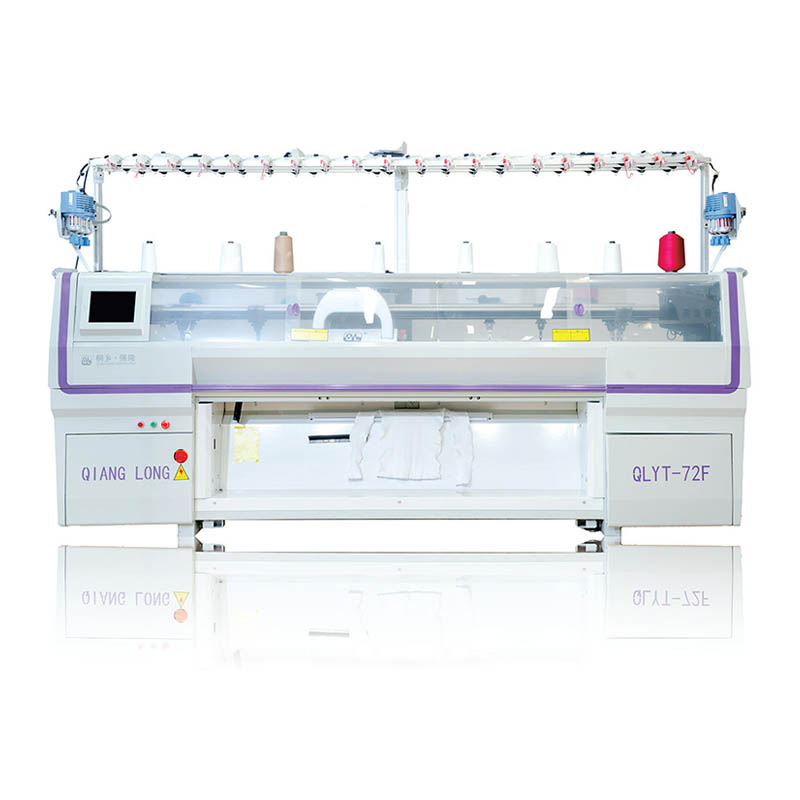
Table of Contents
- 1. Introduction to Motorized Feeder Systems
- 2. Working Principle of Motorized Feeder
- 3. Key Advantages in Industrial Production
- 4. Motorized vs Traditional Feeding Systems
- 5. Industrial Applications
- 6. How to Choose the Right Motorized Feeder
- 7. Maintenance and Operational Tips
- 8. Frequently Asked Questions
1. Introduction to Motorized Feeder Systems
In modern textile manufacturing, precision and consistency are essential. A Motorized Feeder is a device designed to actively control yarn delivery to knitting machines using an independent motor system. Unlike passive feeding mechanisms, it ensures stable yarn tension and consistent feeding speed regardless of machine fluctuations.
Manufacturers such as Qiangsheng integrate Motorized Feeder technology into knitting systems to address long-standing production inefficiencies. These systems are especially valuable in high-speed circular knitting machines where even minor tension variations can result in fabric defects.
2. Working Principle of Motorized Feeder
A Motorized Feeder operates by using a synchronized motor to actively pull and regulate yarn supply. The system continuously adjusts feeding speed based on real-time machine demand.
The process typically involves:
- Yarn input from supply cones or bobbins
- Motor-driven roller system controlling yarn output
- Electronic feedback sensors monitoring tension
- Automatic adjustment of feeding speed
This closed-loop control system ensures that yarn is delivered consistently even during rapid machine speed changes.
3. Key Advantages in Industrial Production
Motorized Feeder systems offer multiple operational benefits that directly improve productivity and fabric quality:
- Stable Yarn Tension: Eliminates fluctuations that cause uneven fabric textures.
- Higher Production Speed: Supports high-speed knitting without breaking yarn.
- Reduced Waste: Minimizes defective fabric production.
- Improved Automation: Reduces operator dependency.
- Energy Efficiency: Optimized motor control reduces unnecessary power usage.
For factories scaling up production, these advantages translate into significant cost savings and improved product consistency.
4. Motorized vs Traditional Feeding Systems
The differences between Motorized Feeders and traditional mechanical feeders are significant:
| Feature | Motorized Feeder | Traditional Feeder |
|---|---|---|
| Yarn Tension Control | Automatic and precise | Manual or passive |
| Production Stability | High stability | Prone to fluctuations |
| Maintenance Requirement | Low | Moderate to high |
| Speed Adaptability | Real-time adjustment | Limited adaptation |
| Fabric Quality | Consistent and uniform | Variable quality |
As shown above, Motorized Feeders clearly outperform traditional systems in nearly every key production metric.
5. Industrial Applications
Motorized Feeders are widely used across multiple textile-related industries:
- Circular knitting machine production lines
- Flat knitting machine systems
- Sportswear fabric manufacturing
- High-elasticity textile production
- Automotive textile materials
In each of these applications, consistent yarn feeding is essential for achieving the required structural integrity and aesthetic quality.
6. How to Choose the Right Motorized Feeder
Selecting the correct Motorized Feeder depends on multiple technical and operational factors. Qiangsheng recommends evaluating the following criteria:
- Machine Compatibility: Ensure the feeder matches knitting machine specifications.
- Yarn Type: Different yarn materials require different tension control ranges.
- Speed Requirements: High-speed machines require advanced motor responsiveness.
- Durability: Industrial-grade components are essential for long-term use.
- Control System: Digital or sensor-based feedback systems offer better precision.
A well-matched feeder system not only improves production output but also extends the lifespan of knitting machines.
7. Maintenance and Operational Tips
To ensure optimal performance, regular maintenance of Motorized Feeders is necessary:
- Clean rollers and feeding paths regularly to prevent fiber buildup
- Inspect motor alignment and calibration monthly
- Check sensor accuracy and responsiveness
- Lubricate mechanical components as recommended by manufacturer
- Replace worn-out parts promptly to avoid system failure
Proper maintenance not only extends equipment lifespan but also ensures consistent production quality.
8. Frequently Asked Questions
Q1: What is the main function of a Motorized Feeder?
It controls yarn delivery speed and tension automatically to ensure consistent feeding in knitting machines.
Q2: Can Motorized Feeders reduce fabric defects?
Yes, by maintaining stable yarn tension, they significantly reduce common defects such as streaks and uneven textures.
Q3: Are Motorized Feeders compatible with all knitting machines?
Most modern feeders are designed for compatibility, but technical matching is still required for optimal performance.
Q4: How often should maintenance be performed?
Routine cleaning should be done daily, while full inspections are recommended monthly or quarterly depending on usage intensity.
Q5: Why choose Qiangsheng Motorized Feeder systems?
Qiangsheng provides industrial-grade solutions designed for stability, durability, and high-speed production environments.
In today’s competitive textile industry, adopting advanced feeding systems is no longer optional—it is a necessity. Motorized Feeder technology ensures production stability, reduces operational costs, and enhances fabric quality across multiple applications.
With engineering expertise and industrial focus, Qiangsheng continues to deliver reliable solutions for global textile manufacturers seeking higher efficiency and precision in production systems.
Contact us: If you are looking to upgrade your knitting production line with high-performance Motorized Feeder systems, contact Qiangsheng today to get professional technical support and customized solutions tailored to your factory needs.