

How Does Exhaust Wrap Improve Vehicle Performance and Heat Management?
2026-08-13
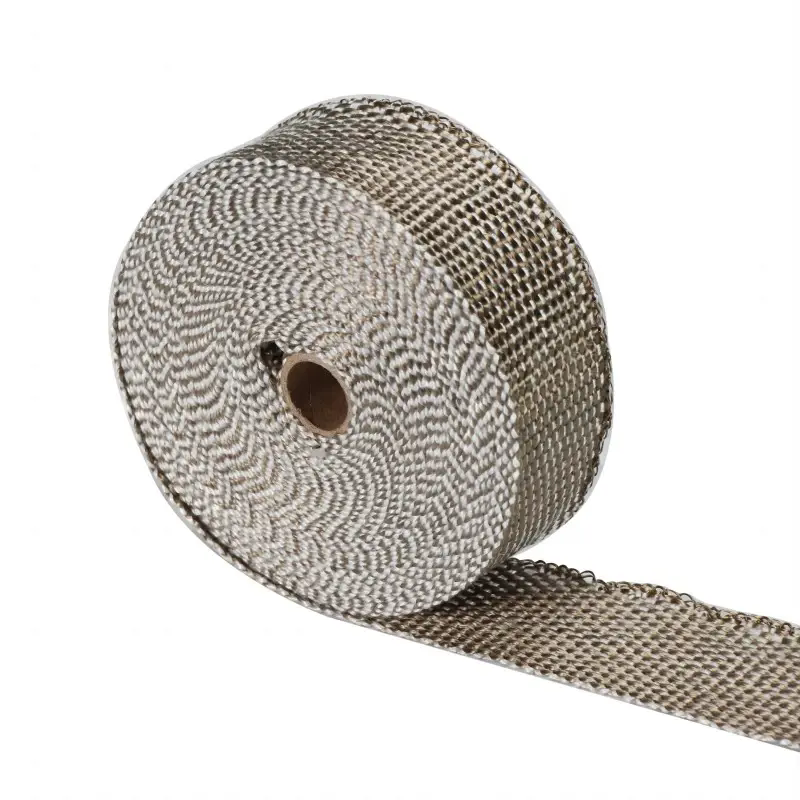
Exhaust heat is one of the most common challenges faced by automotive enthusiasts, racing teams, and vehicle manufacturers. Excessive exhaust temperature can affect engine bay components, reduce performance efficiency, and create unnecessary risks for surrounding parts. Exhaust Wrap provides an effective thermal management solution by controlling exhaust heat, improving heat retention inside exhaust pipes, and protecting sensitive engine components.
This comprehensive guide explains how Exhaust Wrap works, why it is important, how to select the right material, installation considerations, common mistakes, and practical benefits. With professional manufacturing experience and automotive product expertise, J&W Auto Parts delivers reliable Exhaust Wrap solutions designed to meet different vehicle applications and performance requirements.
Article Outline
- Introduction: Why Exhaust Heat Management Matters
- How Does Exhaust Wrap Work?
- Key Benefits of Using Exhaust Wrap
- Different Types of Exhaust Wrap Materials
- How to Choose the Right Exhaust Wrap?
- Proper Exhaust Wrap Installation Process
- Common Exhaust Wrap Installation Mistakes
- Maintenance and Service Tips
- Exhaust Wrap vs Other Heat Protection Methods
- Frequently Asked Questions
Introduction: Why Exhaust Heat Management Matters
Modern vehicles generate extremely high temperatures during operation. The exhaust system, especially areas close to the engine block and turbocharger, can reach temperatures high enough to influence nearby components. Without proper heat control, engine bay temperatures may increase, electrical systems can suffer from heat exposure, and overall vehicle efficiency may decrease.
For performance vehicles, motorcycles, trucks, and racing applications, managing exhaust heat is even more critical. Higher engine output often creates higher exhaust temperatures, making thermal insulation an essential part of vehicle optimization.
Exhaust Wrap is designed to solve this challenge by creating a protective thermal barrier around exhaust pipes, headers, and related components. Instead of allowing heat to spread freely into the engine compartment, the wrap helps maintain heat inside the exhaust system while reducing heat transfer to surrounding areas.
As an experienced automotive component supplier, J&W Auto Parts focuses on providing durable Exhaust Wrap products that combine heat resistance, flexibility, and reliable protection for different automotive environments.
How Does Exhaust Wrap Work?
Exhaust Wrap works through thermal insulation technology. When wrapped around exhaust pipes, the material creates a protective layer that limits direct heat radiation and slows down heat transfer.
The exhaust system performs better when exhaust gases maintain higher temperatures while traveling through the pipes. Hotter exhaust gases generally move faster, which can help improve exhaust flow efficiency in certain performance applications.
| Function | How Exhaust Wrap Helps |
|---|---|
| Heat Reduction | Creates insulation around exhaust components to reduce heat exposure in surrounding areas. |
| Temperature Control | Helps maintain higher internal exhaust temperatures for improved gas flow management. |
| Component Protection | Reduces heat damage risk for wiring, hoses, and nearby engine parts. |
| Performance Support | Supports more stable operating conditions in high-temperature applications. |
The basic working principle is simple: the wrap acts as a thermal shield. However, choosing the correct material thickness, width, temperature rating, and installation method determines the final protection performance.
Key Benefits of Using Exhaust Wrap
Many vehicle owners install Exhaust Wrap not only for appearance but also for practical performance improvements. A properly selected and installed wrap can provide several advantages.
1. Reduce Engine Bay Temperature
One of the biggest advantages of Exhaust Wrap is reducing unwanted heat radiation. Exhaust pipes are often located close to sensitive vehicle components. Excessive heat can accelerate aging of rubber hoses, electrical wires, plastic covers, and other parts.
By limiting heat transfer, Exhaust Wrap helps create a cooler environment inside the engine compartment and improves component durability.
2. Improve Exhaust Efficiency
Maintaining exhaust gas temperature is important for efficient exhaust movement. Exhaust Wrap helps retain heat within the exhaust pipe, which can support smoother gas flow in performance-focused vehicles.
3. Enhance Driving Safety
High exhaust temperatures may create risks when vehicles operate near heat-sensitive materials. Exhaust Wrap provides an additional protective barrier that reduces direct exposure to extreme surface temperatures.
4. Protect Nearby Components
- Electrical wiring systems
- Fuel lines
- Brake components
- Plastic engine covers
- Air intake components
Reducing heat exposure helps extend the service life of surrounding parts and lowers potential maintenance costs.
Different Types of Exhaust Wrap Materials
Exhaust Wrap is available in various materials designed for different temperature environments and applications. Selecting the correct type ensures better durability and protection.
| Material Type | Main Features | Typical Applications |
|---|---|---|
| Fiberglass Exhaust Wrap | Lightweight, flexible, and cost-effective thermal protection. | Cars, motorcycles, general automotive use. |
| Titanium Exhaust Wrap | Higher heat resistance with improved durability. | Performance vehicles and racing applications. |
| Ceramic Exhaust Wrap | Excellent insulation performance in extreme temperature conditions. | High-performance engines and industrial applications. |
| Basalt Exhaust Wrap | Strong heat resistance with excellent mechanical strength. | Heavy-duty and demanding environments. |
How to Choose the Right Exhaust Wrap?
Choosing the correct Exhaust Wrap requires understanding your vehicle type, operating temperature, installation environment, and performance expectations. Many users experience poor results because they select a wrap based only on appearance or price without considering actual application requirements.
A suitable Exhaust Wrap should provide reliable thermal protection while maintaining flexibility, strength, and long-term durability. J&W Auto Parts develops automotive heat protection products with different specifications to help customers select solutions suitable for various exhaust systems.
| Selection Factor | Important Considerations |
|---|---|
| Temperature Rating | Select a product that can withstand the maximum exhaust temperature generated by your engine. |
| Material Quality | High-quality fibers provide better heat resistance, durability, and protection performance. |
| Wrap Thickness | Thicker wraps usually provide stronger insulation but may require more installation space. |
| Vehicle Application | Racing vehicles, motorcycles, daily cars, and commercial vehicles may require different solutions. |
| Environmental Conditions | Consider exposure to moisture, road debris, chemicals, and frequent temperature changes. |
Before purchasing Exhaust Wrap, users should identify the main purpose. If the goal is engine bay temperature reduction, insulation performance should be prioritized. If the purpose is racing performance, temperature retention and durability become more important factors.
Proper Exhaust Wrap Installation Process
Correct installation is essential for achieving the expected performance of Exhaust Wrap. Even a high-quality wrap may fail to provide proper protection if it is installed incorrectly.
The following installation process helps ensure better results:
-
Prepare the Exhaust Components:
Clean the exhaust pipes and remove oil, dust, rust, and other contaminants. A clean surface allows the wrap to fit securely and prevents premature damage.
-
Measure the Required Length:
Measure the exhaust section carefully before installation. Preparing enough material avoids unnecessary joints and improves overall coverage.
-
Soak the Wrap When Required:
Some fiberglass-based Exhaust Wrap products perform better when slightly damp during installation because moisture improves flexibility and reduces airborne fibers.
-
Begin Wrapping from One End:
Start from the end of the exhaust component and wrap tightly around the pipe. Each layer should overlap evenly to maintain consistent insulation.
-
Secure the Wrap Properly:
Use stainless steel ties or clamps designed for high-temperature environments. Ordinary fasteners may fail when exposed to continuous heat.
-
Inspect the Installation:
Check for loose sections, uneven coverage, or exposed areas before operating the vehicle.
Professional installation improves the lifespan of Exhaust Wrap and ensures that the product delivers stable thermal protection under demanding conditions.
Common Exhaust Wrap Installation Mistakes
Although Exhaust Wrap installation is relatively straightforward, several common mistakes can reduce effectiveness and shorten product life.
| Common Mistake | Potential Problem | Recommended Solution |
|---|---|---|
| Loose Wrapping | Creates gaps that allow heat leakage. | Maintain consistent tension throughout installation. |
| Using Incorrect Fasteners | Standard materials may melt or corrode. | Use heat-resistant stainless steel securing accessories. |
| Wrapping Dirty Pipes | Oil and contaminants may damage the material. | Clean exhaust surfaces before installation. |
| Ignoring Temperature Requirements | The wrap may degrade under excessive heat. | Select a product suitable for your operating conditions. |
| Overlapping Incorrectly | Creates uneven insulation thickness. | Maintain uniform overlap throughout the exhaust system. |
Maintenance and Service Tips
Although Exhaust Wrap is designed for high-temperature environments, regular inspection helps maintain reliable performance.
- Check for Physical Damage: Inspect the wrap regularly for cracks, fraying, loose sections, or excessive wear.
- Monitor Moisture Exposure: Frequent exposure to water or harsh environments may affect some materials over time.
- Inspect Fasteners: Ensure clamps and ties remain secure after repeated heating and cooling cycles.
- Replace Damaged Sections: Repair or replace severely damaged areas to maintain continuous heat protection.
Proper maintenance allows Exhaust Wrap to continue protecting exhaust systems and surrounding vehicle components for a longer service period.
Exhaust Wrap vs Other Heat Protection Methods
Vehicle owners often compare Exhaust Wrap with alternative heat protection products. Each method has different advantages depending on application requirements.
| Protection Method | Advantages | Limitations |
|---|---|---|
| Exhaust Wrap | Affordable, flexible, easy to install, and effective for reducing radiant heat. | Requires correct installation and suitable material selection. |
| Heat Shields | Provides strong protection between exhaust parts and nearby components. | May require additional mounting space and hardware. |
| Ceramic Coating | Offers a durable surface coating and attractive finish. | Usually requires professional application and higher cost. |
| Heat Sleeves | Useful for protecting individual wires and hoses. | Not always suitable for large exhaust surfaces. |
For many automotive applications, Exhaust Wrap remains a practical choice because it combines effective thermal management, flexibility, and cost efficiency.
Frequently Asked Questions
1. What is Exhaust Wrap used for?
Exhaust Wrap is used to reduce exhaust heat radiation, protect nearby components, and improve thermal control around exhaust systems. It is commonly applied to exhaust headers, pipes, and performance vehicle systems.
2. Does Exhaust Wrap improve engine performance?
Exhaust Wrap mainly improves heat management. By helping retain exhaust temperature and reducing heat exposure in the engine bay, it may support more consistent performance conditions.
3. How long does Exhaust Wrap last?
Service life depends on material quality, installation method, vehicle usage, and operating environment. High-quality products installed correctly can provide long-term protection under demanding conditions.
4. Can Exhaust Wrap be used on motorcycles?
Yes. Exhaust Wrap is widely used on motorcycles because it helps reduce heat around riders, fuel systems, and nearby components.
5. Why choose J&W Auto Parts Exhaust Wrap?
J&W Auto Parts focuses on providing dependable automotive protection products with attention to material quality, performance requirements, and customer application needs. The company offers Exhaust Wrap solutions designed for different vehicle environments.
Conclusion: Why Exhaust Wrap Is a Smart Choice for Better Heat Control
Managing exhaust temperature is an important part of improving vehicle reliability, protecting engine components, and maintaining stable performance. As engines become more powerful and compact, the space around exhaust systems becomes increasingly sensitive to excessive heat exposure.
Exhaust Wrap provides a practical solution by creating an insulating barrier around exhaust components. It helps control radiant heat, protects surrounding parts, supports efficient exhaust temperature management, and provides additional protection for demanding automotive environments.
Whether used for daily vehicles, motorcycles, racing applications, or customized performance builds, selecting the right Exhaust Wrap and installing it correctly are essential steps for achieving reliable results.
With professional experience in automotive protection solutions, J&W Auto Parts continues to develop high-quality Exhaust Wrap products designed to meet different customer requirements. From material selection to product performance, every detail is considered to provide dependable heat management solutions.
If you are searching for durable Exhaust Wrap products with excellent heat resistance and reliable automotive protection performance, contact us today. J&W Auto Parts is ready to provide professional solutions and support for your vehicle heat management needs.
Key Takeaways About Exhaust Wrap
- Exhaust Wrap helps reduce unwanted heat transfer from exhaust systems.
- Proper heat management can protect sensitive engine bay components.
- Different materials provide different levels of temperature resistance and durability.
- Correct installation plays an important role in achieving maximum performance.
- J&W Auto Parts provides automotive heat protection solutions suitable for various applications.
Why Work With J&W Auto Parts?
Choosing a reliable supplier is essential when purchasing automotive thermal protection products. Product consistency, material performance, and application support directly influence the final user experience.
J&W Auto Parts understands the challenges faced by vehicle owners, automotive distributors, and performance enthusiasts. The company focuses on producing practical automotive products that balance performance, durability, and usability.
| Customer Requirement | J&W Auto Parts Solution |
|---|---|
| High-temperature protection | Exhaust Wrap products designed for demanding thermal environments. |
| Reliable product quality | Strict attention to material selection and manufacturing processes. |
| Different application needs | Solutions suitable for various vehicle types and exhaust systems. |
| Professional customer support | Technical assistance for product selection and usage requirements. |
Frequently Asked Questions About Exhaust Wrap Selection
What temperature can Exhaust Wrap handle?
The temperature resistance of Exhaust Wrap depends on the material structure and manufacturing quality. Different products are designed for different heat ranges, so users should select a wrap according to the exhaust temperature of their specific vehicle.
Is thicker Exhaust Wrap always better?
Not necessarily. A thicker wrap may provide additional insulation, but the best choice depends on available installation space, exhaust design, and application requirements. Proper material selection is more important than thickness alone.
Can Exhaust Wrap reduce under-hood temperatures?
Yes. By limiting heat radiation from exhaust components, Exhaust Wrap can help reduce the amount of heat released into the engine compartment, creating a more controlled environment for nearby components.
Should Exhaust Wrap cover the entire exhaust system?
The coverage area depends on the vehicle design and the user's goals. Many applications focus on exhaust headers and areas located close to heat-sensitive components.
How do I maintain Exhaust Wrap after installation?
Regularly inspect the wrap for damage, loose sections, and worn fasteners. Maintaining proper installation conditions helps extend product service life.
Final Thoughts
Exhaust heat is unavoidable, but uncontrolled exhaust heat does not have to become a long-term vehicle problem. A properly selected Exhaust Wrap provides an effective way to improve thermal protection, support vehicle performance, and protect valuable components.
From professional automotive applications to personal vehicle upgrades, Exhaust Wrap remains one of the most practical heat management solutions available. By combining quality materials, correct installation methods, and regular inspection, vehicle owners can achieve better protection and improved reliability.
J&W Auto Parts is committed to delivering dependable automotive heat protection products that help customers solve real-world challenges. For customized Exhaust Wrap solutions, product information, or professional assistance, please contact us and discover the right solution for your application.