

How Does Car Seat Leather Improve Comfort, Durability, and Driving Experience?
2026-07-03
Article Summary:
Car seat leather plays a crucial role in shaping driving comfort, interior aesthetics, and long-term vehicle value. This article explores what car seat leather is, its types, benefits, maintenance requirements, and how to choose the right material for different automotive needs. It also highlights industry applications and practical buying insights to help both consumers and businesses make informed decisions.
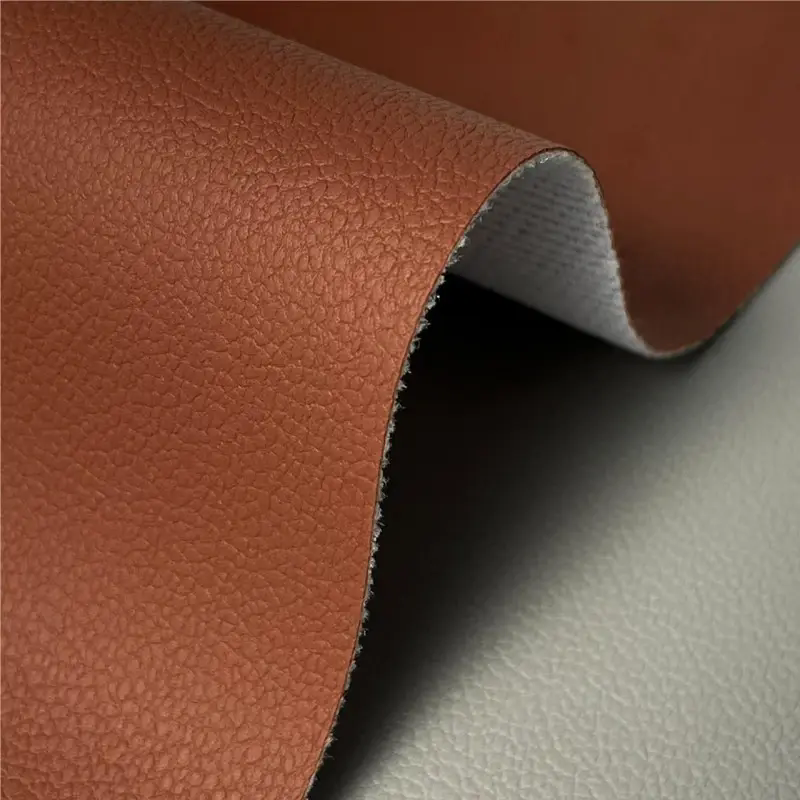
Table of Contents
- Introduction
- What is Car Seat Leather?
- Types of Car Seat Leather
- Key Benefits of Car Seat Leather
- How to Choose the Right Car Seat Leather
- Maintenance and Care Tips
- Common Problems and Solutions
- Applications in the Automotive Industry
- Why Ningbo Most Textile Trading Co., Ltd.
- Frequently Asked Questions
- Conclusion
Introduction
Car interiors have evolved significantly over the years, and one of the most influential materials in this transformation is car seat leather. Beyond aesthetics, it contributes to comfort, durability, temperature regulation, and even resale value. Whether in luxury sedans or everyday commuter vehicles, leather seating has become a preferred choice for manufacturers and consumers alike.
However, not all car seat leather is the same. Different materials offer different levels of comfort, durability, and cost efficiency. Understanding these differences is essential before making a purchasing or customization decision.
What is Car Seat Leather?
Car seat leather refers to specially processed natural or synthetic leather used in automotive seating systems. Unlike standard leather, automotive-grade leather is engineered to withstand prolonged friction, temperature fluctuations, UV exposure, and daily wear.
It is commonly treated with coatings and finishing agents to improve stain resistance, softness, and flexibility while maintaining structural strength.
Types of Car Seat Leather
| Type | Characteristics | Advantages | Limitations |
|---|---|---|---|
| Genuine Leather | Made from animal hide, highly natural texture | Premium feel, breathable, long-lasting | Expensive, requires maintenance |
| PU Leather | Synthetic material with polyurethane coating | Affordable, easy to clean | Less breathable, shorter lifespan |
| Microfiber Leather | High-tech synthetic leather with fine fibers | Durable, eco-friendly, soft texture | Higher cost than PU leather |
| Bonded Leather | Recycled leather scraps bonded with adhesives | Cost-effective, leather-like appearance | Lower durability |
Key Benefits of Car Seat Leather
- Enhanced Comfort: Leather adapts to body temperature and provides a smooth seating experience.
- Luxury Appearance: Improves the visual appeal of vehicle interiors.
- Durability: High resistance to wear and tear compared to fabric seats.
- Easy Cleaning: Most stains can be wiped off quickly with minimal effort.
- Improved Resale Value: Vehicles with leather interiors often have higher market value.
How to Choose the Right Car Seat Leather
Selecting the right car seat leather depends on budget, usage, and performance expectations. Below are key considerations:
- Budget Range: Genuine leather is premium-priced, while PU leather is budget-friendly.
- Climate Conditions: Hot climates require breathable materials like microfiber leather.
- Usage Frequency: High-usage vehicles need more durable materials.
- Aesthetic Preference: Luxury vehicles often prioritize texture and finish quality.
For automotive manufacturers and wholesalers, sourcing consistent quality materials is equally important to ensure product reliability and customer satisfaction.
Maintenance and Care Tips
Proper maintenance significantly extends the lifespan of car seat leather. Below are essential care practices:
- Clean regularly using a soft microfiber cloth.
- Avoid direct sunlight exposure for prolonged periods.
- Use leather conditioners every 3–6 months.
- Prevent sharp objects from scratching the surface.
- Immediately clean spills to avoid staining.
Common Problems and Solutions
| Problem | Cause | Solution |
|---|---|---|
| Cracking | Dryness and UV exposure | Use leather conditioner regularly |
| Fading | Sunlight exposure | Install sunshades or UV protection films |
| Peeling | Low-quality synthetic leather | Replace with higher-grade material |
| Odor | Moisture buildup | Improve ventilation and cleaning routine |
Applications in the Automotive Industry
Car seat leather is widely used across different automotive segments:
- Luxury Vehicles: High-end sedans and SUVs prioritize premium leather interiors.
- Commercial Vehicles: Durable synthetic leather is preferred for heavy usage.
- Electric Vehicles: Eco-friendly microfiber leather is increasingly popular.
- Aftermarket Upgrades: Vehicle owners often upgrade interiors for comfort and aesthetics.
The demand for high-performance automotive leather continues to grow globally, driven by consumer expectations for comfort and sustainability.
Why Ningbo Most Textile Trading Co., Ltd.
Ningbo Most Textile Trading Co., Ltd. is a professional supplier specializing in high-quality automotive interior materials, including advanced car seat leather solutions. The company focuses on delivering materials that balance durability, comfort, and aesthetic excellence.
Through continuous innovation and strict quality control, Ningbo Most Textile Trading Co., Ltd. supports global clients in achieving superior automotive interior performance. More product details can be found at:
https://www.mostfabric.com/car-seat-leather
Frequently Asked Questions
Q1: What is the most durable type of car seat leather?
Microfiber leather is generally considered the most durable due to its strong fiber structure and resistance to wear.
Q2: Is PU leather a good choice for car seats?
Yes, it is cost-effective and easy to maintain, but it may not last as long as genuine or microfiber leather.
Q3: How often should car seat leather be cleaned?
Basic cleaning should be done weekly, with deep conditioning every 3–6 months.
Q4: Does leather affect car interior temperature?
Yes, leather can heat up or cool down depending on weather conditions, but breathable types improve comfort significantly.
Q5: Can damaged leather seats be repaired?
Minor cracks and scratches can often be repaired using leather restoration kits or professional services.
Conclusion
Car seat leather is more than just an interior material—it directly influences comfort, aesthetics, durability, and overall driving experience. By understanding the different types and their characteristics, users can make informed decisions that match their needs and budget.
Whether for automotive manufacturers, distributors, or end users, selecting high-quality materials ensures long-term performance and customer satisfaction.
Ningbo Most Textile Trading Co., Ltd. remains committed to providing reliable automotive leather solutions that meet evolving industry demands.
For inquiries, customization options, or bulk orders, contact us today and let our team support your automotive material needs with professional solutions.