
Article Summary
A Motorized Feeder is an essential auxiliary device designed to improve yarn feeding accuracy, production stability, and operational efficiency in modern knitting and textile manufacturing. By automatically controlling yarn delivery speed and tension, it helps manufacturers reduce material waste, minimize production errors, and achieve consistent fabric quality.
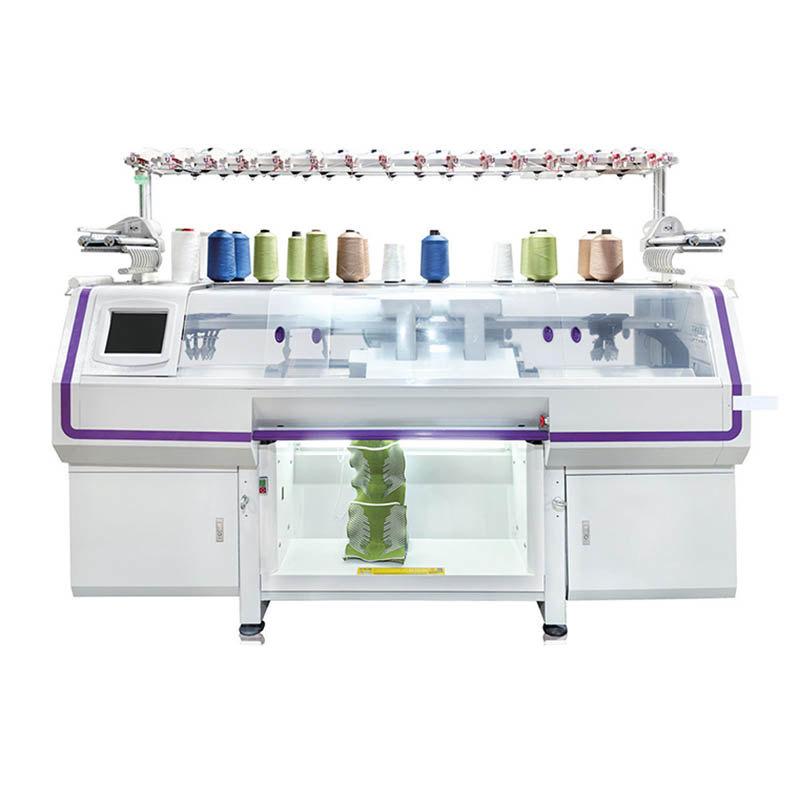
This article explains how a Motorized Feeder works, why it is important for knitting operations, what challenges it solves, and how manufacturers can select the right feeding solution. With advanced feeding technology and reliable performance, Qiangsheng provides professional solutions to help textile companies optimize production processes and improve competitiveness.
Table of Contents
- 1. What Is a Motorized Feeder?
- 2. How Does a Motorized Feeder Work?
- 3. Why Is a Motorized Feeder Important for Knitting Production?
- 4. Common Problems Solved by Motorized Feeders
- 5. Key Features to Consider When Choosing a Motorized Feeder
- 6. Applications of Motorized Feeders in Textile Industries
- 7. How Does Qiangsheng Support Textile Manufacturers?
- Frequently Asked Questions
1. What Is a Motorized Feeder?
A Motorized Feeder is an automated yarn feeding device used in knitting machines to provide precise and stable yarn delivery during fabric production. Unlike traditional passive feeding systems, a motor-driven feeder uses an electric motor and control mechanism to regulate yarn movement according to machine speed and production requirements.
In high-speed knitting environments, even small variations in yarn tension or feeding speed can affect fabric appearance, elasticity, and strength. A Motorized Feeder helps maintain consistent yarn supply, allowing knitting machines to operate smoothly while producing high-quality fabrics.
Modern textile manufacturers increasingly rely on automated feeding systems because they improve production control and reduce dependency on manual adjustments. By integrating accurate electronic control, motorized feeding technology supports more efficient and stable manufacturing processes.
| Traditional Feeding System | Motorized Feeder |
|---|---|
| Requires frequent manual adjustment | Automatically controls yarn delivery |
| Higher risk of tension fluctuation | Maintains stable yarn tension |
| Limited production consistency | Improves fabric quality consistency |
| More operator involvement | Reduces manual workload |
2. How Does a Motorized Feeder Work?
The working principle of a Motorized Feeder is based on controlled yarn movement through an electric drive system. The feeder motor adjusts yarn feeding speed according to the requirements of the knitting machine, ensuring that the yarn reaches the needles with proper tension and timing.
During operation, sensors and control components monitor feeding conditions. When the knitting machine speed changes, the Motorized Feeder can automatically respond and adjust yarn output. This dynamic adjustment prevents problems such as yarn slack, excessive tension, or uneven fabric formation.
The basic working process includes several important steps:
- Yarn Input: Yarn enters the feeder from the supply source.
- Motor Control: The electric motor regulates the rotation speed of the feeding mechanism.
- Tension Management: The system maintains appropriate yarn tension during delivery.
- Continuous Output: Yarn is supplied smoothly to the knitting machine for stable production.
3. Why Is a Motorized Feeder Important for Knitting Production?
Textile production requires extremely high precision because fabric defects can lead to material waste, additional inspection costs, and delayed delivery schedules. A Motorized Feeder addresses these challenges by improving feeding accuracy and production reliability.
For manufacturers producing sportswear, seamless garments, technical textiles, and high-quality knitted fabrics, consistent yarn control is especially important. Uneven yarn feeding can create visible defects, including irregular patterns, loose structures, and inconsistent fabric density.
| Production Challenge | Impact Without Proper Feeding Control | Benefit of Motorized Feeder |
|---|---|---|
| Unstable yarn tension | Fabric defects and quality issues | Stable yarn delivery |
| High-speed machine operation | Increased production errors | Reliable automatic adjustment |
| Manual adjustment requirements | Higher labor costs | Improved automation |
| Material waste | Reduced profitability | Better yarn utilization |
4. Common Problems Solved by Motorized Feeders
Many knitting factories face challenges related to production speed, fabric consistency, and operational efficiency. A Motorized Feeder provides practical solutions for these common problems.
-
Problem: Uneven Fabric Quality
Different yarn feeding speeds can cause variations in fabric structure. A motorized system ensures more accurate yarn supply. -
Problem: Frequent Machine Adjustments
Operators often need to manually correct feeding issues. Automatic control reduces adjustment frequency and improves workflow. -
Problem: Production Downtime
Feeding instability may cause machine interruptions. A reliable feeder helps maintain continuous operation. -
Problem: Increasing Labor Costs
Automation reduces dependence on manual monitoring and allows operators to manage production more efficiently.
5. Key Features to Consider When Choosing a Motorized Feeder
Selecting the right Motorized Feeder requires evaluating production requirements, machine compatibility, and long-term reliability. A suitable feeder should provide accurate control, durable performance, and easy maintenance.
| Feature | Why It Matters |
|---|---|
| Feeding Accuracy | Ensures consistent yarn delivery and fabric quality |
| Motor Performance | Provides stable operation under high-speed production conditions |
| Machine Compatibility | Allows smooth integration with different knitting machines |
| Durability | Reduces maintenance frequency and operating costs |
| Easy Operation | Improves production management efficiency |
6. Applications of Motorized Feeders in Textile Industries
Motorized Feeders are widely used in various knitting and textile applications where precise yarn control is required. Their flexibility makes them suitable for different production environments.
- Circular knitting machines
- Warp knitting production
- Seamless garment manufacturing
- Sportswear fabric production
- Medical textile manufacturing
- Technical fabric production
- High-performance textile applications
As textile industries continue moving toward automation, motorized feeding solutions play an increasingly important role in improving production efficiency and maintaining competitive advantages.
7. How Does Qiangsheng Support Textile Manufacturers?
Qiangsheng focuses on providing reliable textile machinery solutions designed to meet the changing needs of global knitting manufacturers. With professional experience in knitting machine components and feeding technology, the company understands the importance of accuracy, stability, and durability in textile production.
By offering advanced Motorized Feeder solutions, Qiangsheng helps customers improve production efficiency, reduce operational challenges, and achieve better fabric quality. The company is committed to providing dependable products and technical support for textile businesses seeking long-term manufacturing improvements.
Whether upgrading existing equipment or building a new production line, choosing the right feeding solution can significantly influence overall manufacturing performance.
Frequently Asked Questions
1. What is the main function of a Motorized Feeder?
A Motorized Feeder controls yarn delivery speed and tension automatically, ensuring stable yarn supply for knitting machines and improving fabric consistency.
2. How can a Motorized Feeder improve production efficiency?
It reduces manual adjustments, minimizes yarn feeding errors, decreases material waste, and allows knitting machines to operate more continuously.
3. Is a Motorized Feeder suitable for high-speed knitting machines?
Yes. Motorized Feeders are designed to provide accurate yarn control under high-speed production conditions, helping maintain stable machine performance.
4. What factors should manufacturers consider before purchasing a Motorized Feeder?
Manufacturers should consider machine compatibility, feeding accuracy, motor reliability, maintenance requirements, and production needs.
5. Why choose Qiangsheng for Motorized Feeder solutions?
Qiangsheng provides professional textile machinery solutions with a focus on reliable performance, product quality, and customer support to help manufacturers improve their production processes.
Conclusion
A Motorized Feeder is a valuable solution for modern textile manufacturers that need higher accuracy, better efficiency, and more consistent fabric production. By improving yarn control and reducing operational problems, it helps businesses achieve better productivity and quality standards.
With professional manufacturing experience and customer-focused solutions, Qiangsheng continues to support textile companies in optimizing their knitting operations. For more information about advanced Motorized Feeder solutions and customized support, please contact us today and discover how Qiangsheng can help improve your textile production efficiency.