

How Does a Candle Wick Work?
2026-05-06
Summary: Understanding the role of a candle wick is crucial for both hobbyists and commercial candle makers. This article explores the science behind candle wicks, their types, materials, and maintenance, offering practical tips for optimal performance. Learn how the right wick choice can enhance burn quality, safety, and fragrance release in candles.
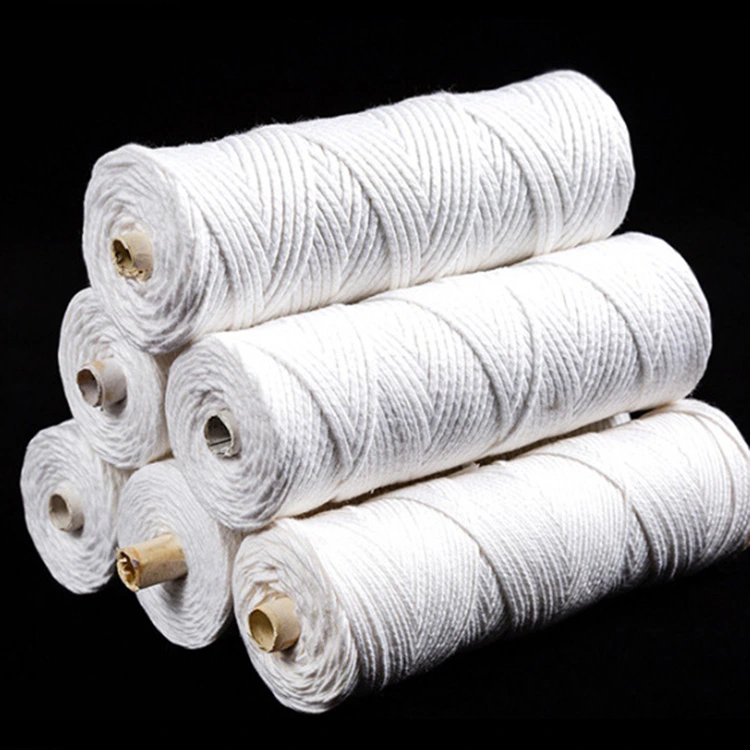
Table of Contents
- What is a Candle Wick?
- How Candle Wicks Work
- Types of Candle Wicks
- Choosing the Right Wick
- Common Candle Wick Problems
- Maintenance Tips for Wicks
- FAQ
What is a Candle Wick?
A candle wick is the essential component that draws the wax upward to sustain the flame. Often overlooked, the wick determines how evenly the candle burns, the size of the flame, and how effectively fragrance oils are released. For manufacturers like Nanjing FNAT, understanding wick structure is key to producing premium candles.
- Serves as a fuel conduit for the flame
- Influences the melting pattern of wax
- Impacts fragrance distribution and smoke levels
How Candle Wicks Work
The candle wick functions through capillary action, pulling liquid wax toward the flame. As the wax vaporizes, it reacts with oxygen to produce light and heat. This process is influenced by wick material, thickness, and treatment.
| Process | Description |
|---|---|
| Capillary Action | The wick draws liquid wax upward to feed the flame. |
| Combustion | Wax vapor reacts with oxygen, producing light and heat. |
| Self-Trimming | Certain braided wicks curl as they burn, maintaining optimal flame height. |
Types of Candle Wicks
Candle wicks come in various designs, each suited for specific candle types. Selecting the right wick ensures efficient burning and minimizes issues like tunneling or excess smoke.
- Flat Wicks: Best for container candles; self-trims to control flame size.
- Braided Wicks: Ideal for pillars; thick braids handle larger candles.
- Core Wicks: Contain a cotton or metal core for added stiffness; used in scented or large candles.
- Hemp Wicks: Natural option, burns slowly and evenly; preferred in eco-friendly candles.
Choosing the Right Wick
Choosing the correct wick requires considering candle diameter, wax type, and fragrance load. The wrong wick can cause uneven burning, soot, or flame extinction.
- Identify the candle type and wax composition
- Match wick diameter to candle size
- Consider fragrance load and additives
- Test burn multiple wicks before production scaling
For commercial producers, Nanjing FNAT provides a comprehensive range of wicks suitable for soy, paraffin, and gel candles, ensuring consistent performance across products.
Common Candle Wick Problems
Understanding wick issues helps both home users and manufacturers prevent candle failures.
- Flickering: Often caused by a wick that is too short or an uneven wax surface.
- Excess Smoke: Wick too thick or burning in drafty areas.
- Tunneling: Wick too small for candle diameter.
- Marshmallowing: Cotton fibers swelling and forming a mushroom tip.
Maintenance Tips for Wicks
Proper wick maintenance extends candle life and improves burn quality.
- Trim wick to 0.25–0.5 inches before lighting
- Keep the wax pool clean of debris
- Avoid drafts during burning
- Use wick sustainers for larger candles to maintain structure
Regular attention ensures a steady flame and maximizes fragrance release, enhancing user experience.
FAQ
Q1: Can I replace a candle wick?
A1: Yes, wicks can be replaced in many types of candles. Ensure you match the wick type and length to your candle for proper burning.
Q2: How often should I trim a wick?
A2: Trim before every burn to maintain a flame height of 0.5 inches for optimal performance.
Q3: Do all wicks work with soy wax?
A3: Not all wicks are suitable for soy wax. Cotton or hemp wicks are recommended, and testing is advised for scented soy candles.
Q4: What is the best wick for large candles?
A4: Core braided wicks with cotton or paper cores work best for pillars or wide-diameter container candles.
At Nanjing FNAT, we specialize in high-quality candle wicks that meet diverse production needs. Whether you are creating soy, paraffin, or gel candles, our wicks ensure an even burn, optimal fragrance diffusion, and minimal smoke. For premium candle-making supplies, contact us today and elevate your candle craftsmanship!