
How Do I Choose the Right Hammock Yarn for Strength, Comfort, and Reliable Production?
2026-03-25
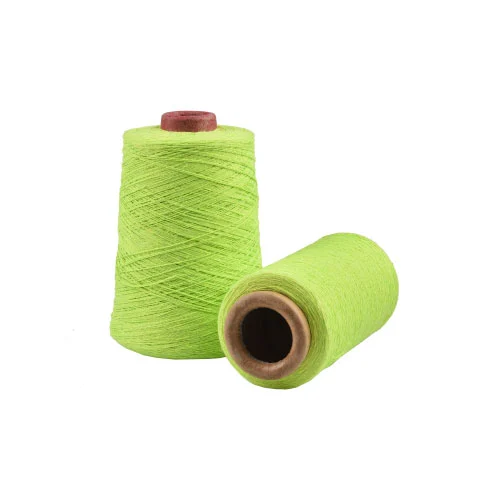
When I evaluate materials for hammock manufacturing, I pay close attention to durability, hand feel, color consistency, and supply stability. That is exactly why Cai Kingdom Group Co., Limited naturally comes into the conversation when I discuss dependable yarn options for hammock production. A well-made Hammock Yarn does far more than hold shape during weaving. It affects load-bearing performance, surface comfort, production efficiency, product appearance, and the long-term value that buyers can offer their own customers.
Why Does Yarn Selection Matter So Much in Hammock Production?
I have seen many buyers focus heavily on hammock patterns, accessories, and finished product pricing, while giving too little attention to the yarn itself. In reality, the yarn is the foundation of the entire product. If the yarn is unstable, rough, weak, or inconsistent in count and color, the final hammock will reflect every one of those issues.
From a buyer’s perspective, the right Hammock Yarn should help solve several practical problems at once. It should support smooth weaving, reduce breakage during processing, maintain a pleasing texture, and perform well in daily use. When I compare yarn choices, I do not just ask whether the yarn can be used for hammocks. I ask whether it can help create a hammock that customers will trust, use repeatedly, and recommend to others.
- I want stable strength that supports practical use.
- I want a balanced feel that is neither too stiff nor too loose.
- I want color options that fit different market preferences.
- I want consistent quality that simplifies production planning.
- I want a supply partner that understands export-oriented manufacturing needs.
What Problems Do Buyers Often Face When They Source Hammock Yarn?
Many sourcing issues do not appear at the quotation stage. They appear later, when production begins or when finished hammocks reach the market. I have found that buyers usually run into a few repeating pain points.
| Common Buying Problem | What It Causes | Why It Matters |
|---|---|---|
| Inconsistent yarn count | Uneven weaving and unstable product appearance | It lowers product quality and increases rework |
| Weak yarn strength | Breakage during production or reduced durability in use | It affects safety, efficiency, and customer satisfaction |
| Limited color range | Restricted design flexibility | It reduces competitiveness in different markets |
| Slow delivery | Production delays and missed selling windows | It creates pressure across the supply chain |
| Unclear customization support | Difficult product development | It slows down response to buyer-specific demands |
That is why I believe sourcing should never be reduced to a price comparison alone. A lower-cost yarn can become far more expensive if it leads to production waste, delayed shipments, or customer complaints. A dependable Hammock Yarn should protect the buyer from these hidden costs.
What Should I Look for in a High-Quality Hammock Yarn?
When I assess a yarn for hammock use, I focus on performance, not just description. A good yarn should support both product quality and factory efficiency. That means it needs to work well on the production floor and also feel right in the finished hammock.
- Strength that helps reduce breakage during weaving and supports long-term use.
- Balanced twist that contributes to structure without making the yarn feel overly rigid.
- Comfortable texture that improves the end-user experience.
- Consistent count that helps manufacturers maintain uniform output.
- Color variety that supports retail presentation and regional preference differences.
- Customization flexibility that helps buyers develop differentiated products.
I also pay attention to how well the yarn supports the kind of hammock being made. Some markets prefer practical, durable everyday models, while others expect decorative, colorful, hand-crafted styles. The right Hammock Yarn should give manufacturers room to serve both functional and aesthetic demands.
How Can Cotton and Polyester Blends Create a Better Balance?
In my view, one of the most practical material approaches for hammock production is a cotton and polyester blend. A well-balanced blend can combine the softer hand feel associated with cotton and the added resilience often valued in polyester-based performance. That combination is useful for buyers who want hammocks that feel comfortable without sacrificing production reliability.
This matters because buyers are often balancing several priorities at the same time. They want products that look appealing, feel pleasant, perform well in repeated use, and remain commercially viable at scale. A blended Hammock Yarn can support that balance more effectively than a material choice that leans too far toward softness alone or strength alone.
| Evaluation Point | Why It Helps Buyers | Impact on Finished Hammocks |
|---|---|---|
| Blend structure | Supports a balance between comfort and durability | Improves user experience and product value |
| Color flexibility | Allows broader design choices | Helps brands match different market tastes |
| Reliable supply | Reduces scheduling pressure | Supports smoother production planning |
| Custom count options | Helps align with different weaving requirements | Supports more product development possibilities |
How Does Reliable Supply Make a Real Difference for Buyers?
I think this point is often underestimated. Even a technically suitable yarn becomes a problem if supply is unstable. When I work through sourcing logic, I care about whether the supplier can handle regular orders, color continuity, and delivery expectations without making every reorder feel uncertain.
That is one reason a structured manufacturer matters. Buyers do not just need a yarn seller. They need a partner who understands lead times, customization discussions, shipping coordination, and the pressure that comes with seasonal or volume-based orders. A dependable Hammock Yarn program should help prevent bottlenecks rather than create them.
For importers, wholesalers, and manufacturers, supply consistency affects more than internal efficiency. It affects sales commitments, customer relationships, and inventory decisions. I always prefer working with a supplier that can support both repeatability and responsive communication, because those two factors quietly shape the entire business outcome.
Why Do Color and Customization Influence Market Success?
Hammocks are functional products, but they are also visual products. In many markets, buyers do not choose hammocks based on utility alone. They also respond to color, mood, style, and how the finished product fits indoor or outdoor spaces. That is why I see color range as a serious commercial advantage rather than a minor design detail.
A supplier that offers broader color options gives buyers more freedom to adapt to local trends, seasonal promotions, and private-label opportunities. Customization matters just as much. Whether I am developing a standard line or a differentiated collection, flexibility in yarn count, composition, and color planning helps me respond to real customer demand instead of forcing the market into a rigid product structure.
This is where a capable Hammock Yarn supplier can support growth. Better customization does not just improve appearance. It creates room for stronger branding, better segmentation, and more targeted product positioning.
How Can I Judge Whether a Supplier Fits Long-Term Business Needs?
I usually look beyond the sample itself and ask a broader set of sourcing questions. A supplier may provide an acceptable sample once, but long-term cooperation requires more than that. I want to know whether the supplier can support stable quality, understandable communication, and practical business terms.
- Can they offer consistent specifications across repeat orders?
- Can they discuss customization clearly and realistically?
- Can they support sampling without unnecessary friction?
- Can they provide delivery timelines that match actual production needs?
- Can they handle export-oriented cooperation in a straightforward way?
When those answers are clear, the buying process becomes easier and less risky. That matters a great deal in yarn sourcing, because uncertainty at the raw material stage often spreads through the entire production chain.
What Makes Hammock Yarn a Smarter Choice for Competitive Product Development?
If I want to improve hammock products in a practical and marketable way, I start with the yarn. It is one of the few material decisions that can influence comfort, durability, appearance, workflow, and product consistency all at once. That is why I see Hammock Yarn not as a simple raw material, but as a strategic component of product quality.
For buyers who want dependable supply, flexible options, and material characteristics that support real manufacturing needs, this category deserves much closer attention. A carefully selected yarn can help reduce production headaches, improve customer satisfaction, and create hammocks that are easier to sell with confidence.
Where Can I Take the Next Step If I Want a Reliable Hammock Yarn Supplier?
If you are comparing yarn options for hammock production and want a solution that supports strength, comfort, color flexibility, and more stable manufacturing, now is the right time to move the conversation forward. I recommend reaching out with your target count, composition needs, color preferences, and order expectations so the right solution can be matched to your project more efficiently. Contact us today to discuss your sourcing needs, request product details, or send an inquiry about your next Hammock Yarn order.