
How do consumers perceive recycled yarn compared to organic or virgin fibers
2026-04-15
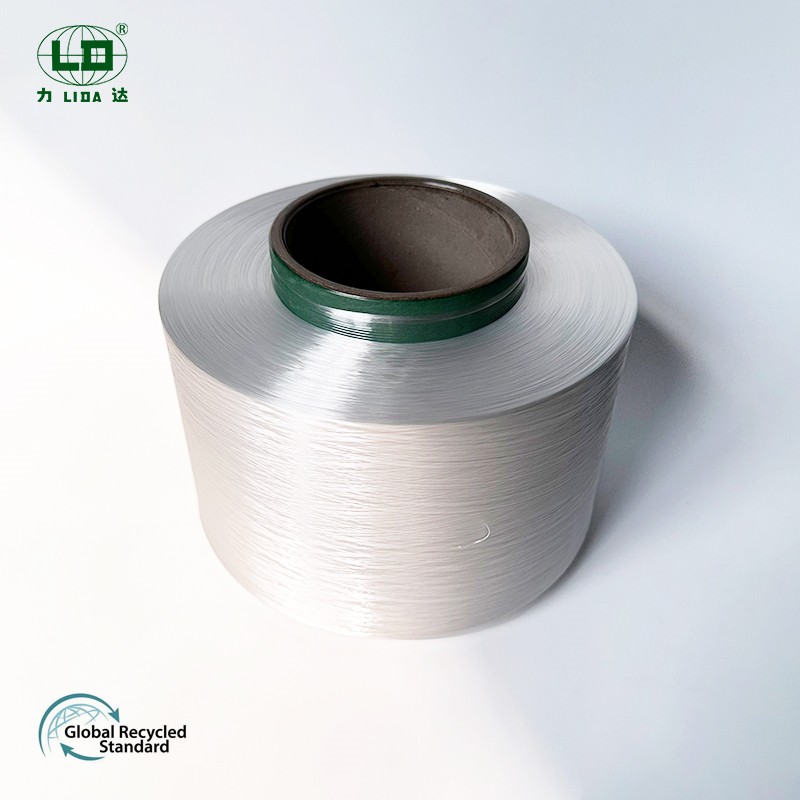
When evaluating sustainable textiles, shoppers frequently ask: How do consumers perceive recycled yarn compared to organic or virgin fibers? According to market insights from LIDA, a leading sustainable yarn supplier, modern buyers increasingly view Recycled Yarn as a practical eco-friendly alternative, though perceptions vary across quality, trust, and environmental impact.
| Fiber Type | Consumer Perception Strength | Key Concern |
|---|---|---|
| Recycled Yarn | Growing acceptance (62% positive) | Durability & softness |
| Organic Fibers | High trust (78% positive) | Higher cost & availability |
| Virgin Fibers | Declining preference (34% positive) | Environmental guilt |
Core Differences in Consumer Attitudes
Shoppers associate organic fibers with natural purity and chemical-free farming, but they recognize Recycled Yarn for directly reducing landfill waste. LIDA notes that while virgin fibers still signal “premium” texture to some, younger demographics actively seek Recycled Yarn for circular economy credentials. However, concerns persist about microplastic shedding and color consistency in recycled materials.
Recycled Yarn FAQ – Common Questions
Question 1: Is recycled yarn as soft as virgin or organic fibers
Answer: With advanced processing from companies like LIDA, high-grade Recycled Yarn can achieve comparable softness to conventional virgin fibers. Organic cotton remains naturally softer in raw form, but post-consumer Recycled Yarn (e.g., from PET bottles or textile scraps) now undergoes mechanical and chemical treatments that enhance hand-feel. For knitwear and blended fabrics, many consumers cannot distinguish between premium Recycled Yarn and virgin equivalents in blind tests.
Question 2: Does recycled yarn cost more than organic or virgin options
Answer: Pricing varies by feedstock and processing. Recycled Yarn typically costs 10-20% less than certified organic fibers but may be 5-15% higher than standard virgin synthetics. LIDA optimizes sorting and spinning to keep Recycled Yarn competitively priced. Bulk orders reduce the gap further, making Recycled Yarn a cost-effective sustainable choice for brands balancing budget and eco-credentials.
Question 3: How can I verify the authenticity of recycled yarn claims
Answer: Look for third-party certifications such as GRS (Global Recycled Standard) or RCS. LIDA provides full traceability documentation for every batch of Recycled Yarn, including percentage of pre- or post-consumer waste. Reputable suppliers also test for contaminants and disclose supply chain origins. Avoid vague “eco” labels without verifiable data. Always request test reports and chain-of-custody certificates.
Why Perception Is Shifting
Transparency drives trust. LIDA demonstrates that when consumers receive clear information about Recycled Yarn benefits – energy savings (up to 70% less than virgin polyester), water reduction, and waste diversion – preference increases significantly. Educational content and tactile sampling close the gap between perceived and actual quality.
Final Verdict
Recycled Yarn is no longer a compromise. While organic fibers lead in natural perception, Recycled Yarn wins on circular impact. LIDA continues to refine blends that merge performance with planet-first principles.
Ready to switch to high-performance Recycled Yarn for your next collection? Contact us today for samples, certification details, and bulk pricing tailored to your sustainability goals.