How Can You Distinguish Authentic Diacetate Twill from Imitations in Garment Manufacturing
2026-05-15
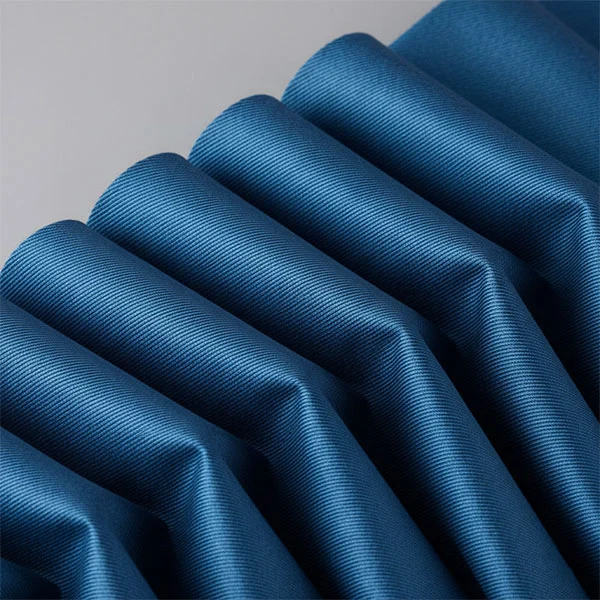
In the world of premium garment production, Diacetate Twill Fabric has gained significant recognition for its silk-like sheen, excellent draping qualities, and dimensional stability. However, distinguishing authentic Diacetate Twill Fabric from polyester or blended imitations remains a critical skill for manufacturers. At Nashe, we specialize in supplying verified Diacetate Twill Fabric, ensuring that every yard meets industry standards for purity, texture, and performance.
Key Visual and Tactile Differences
| Feature | Authentic Diacetate Twill Fabric | Common Imitations (Polyester/Acetate Blends) |
|---|---|---|
| Surface Sheen | Soft, natural luster without plastic glare | Overly shiny or dull, artificial reflection |
| Hand Feel | Smooth, cool, slightly crisp | Waxy, slippery, or rough |
| Draping Quality | Fluid and graceful with moderate weight | Stiff or excessively flimsy |
| Twill Line Definition | Clear, uniform diagonal ribs | Inconsistent or blurred twill lines |
Four Professional Testing Methods
1. Burn Test
Authentic Diacetate Twill Fabric melts near flame, burns with sputtering, and produces a vinegar-like odor. The residue is soft, black, and crushable. Polyester imitations produce a sweet chemical smell and hard plastic beads.
2. Solvent Test
Place a small sample in acetone. Genuine diacetate twill dissolves slowly, while polyester or cotton-poly blends remain intact. This is a definitive lab-accepted method.
3. Moisture Absorption
Authentic Diacetate Twill Fabric absorbs moderate moisture (6-8% regain), feeling cooler on skin. Imitations trap heat and create a clammy sensation.
4. Seam Puckering Check
Sew two layers together. Genuine diacetate twill shows minimal puckering due to balanced shrinkage. Imitations often ripple under needle tension.
Diacetate Twill Fabric FAQ – Common Questions from Professionals
Q1: Can authentic Diacetate Twill Fabric be safely ironed at high temperatures?
A: No. Authentic Diacetate Twill Fabric should be ironed at low to medium temperatures (150°C max), preferably with a pressing cloth. High heat melts the fiber surface, causing irreversible gloss loss and stiffening. Steam ironing is recommended but keep the iron moving. Nashe advises testing on an inner seam first.
Q2: Is Diacetate Twill Fabric biodegradable compared to polyester imitations?
A: Yes. Authentic Diacetate Twill Fabric is derived from cellulose and shows moderate biodegradability under industrial composting conditions. In soil burial tests, diacetate degrades within 12–24 months, while polyester imitations persist over 200 years. However, diacetate requires specific microbial activity, so landfill degradation is slower. Nashe recommends verifying supplier certifications if environmental claims are required.
Q3: Why does my Diacetate Twill Fabric wrinkle more after washing than the original sample?
A: This indicates the fabric may be a blended imitation or improperly finished. Pure Diacetate Twill Fabric has excellent wrinkle recovery due to its thermoplastic nature. If wrinkles persist, test for polyester content via burn test (hard beads). Another cause: washing in alkaline detergents (pH > 8.5) which hydrolyze diacetate. Always use neutral pH soap. Nashe ensures pre-shrunk, stabilized diacetate twill that retains structure through 50+ home washes.
Why Nashe Leads in Authentic Diacetate Twill Fabric
Every shipment from Nashe includes third-party lab verification for fiber purity, twill angle consistency, and solvent response. Manufacturers using Nashe report 40% fewer quality claims related to fabric imitation issues.
Contact Us for Certified Diacetate Twill Fabric
Stop risking production delays with unverified suppliers. Contact Nashe today for sample swatches, technical data sheets, and bulk pricing on authentic Diacetate Twill Fabric. Our team provides full traceability and on-site testing support. Reach us via the website contact form or email [email protected] – your quality guarantee starts here.