

How Can Working Glove Yarn Improve Safety, Comfort, and Performance in Protective Gloves?
2026-07-13
Article Summary
Working gloves play a critical role in protecting workers across industries such as construction, manufacturing, logistics, agriculture, mining, and mechanical processing. However, the performance of a protective glove depends heavily on the quality of its core material — working glove yarn. Choosing the right yarn determines the glove’s durability, grip, flexibility, breathability, and resistance to workplace challenges.
This article explains how working glove yarn enhances protective glove performance, what factors buyers should consider when selecting yarn, and how manufacturers can overcome common challenges such as abrasion, discomfort, poor dexterity, and short service life. With professional manufacturing experience, CAI KINGDOM provides reliable working glove yarn solutions designed to meet different industrial requirements.
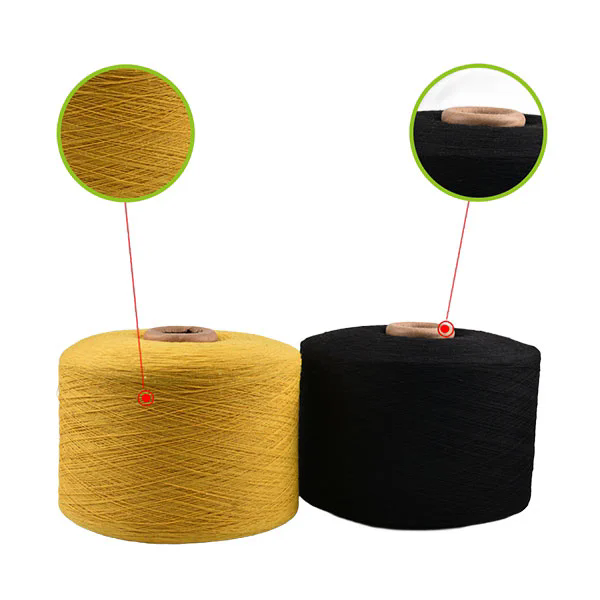
Table of Contents
- 1. Introduction: Why Working Glove Yarn Matters
- 2. Common Problems Caused by Low-Quality Glove Yarn
- 3. How Working Glove Yarn Improves Glove Performance
- 4. How to Choose the Right Working Glove Yarn
- 5. Applications of Working Glove Yarn in Different Industries
- 6. Why Choose CAI KINGDOM Working Glove Yarn
- 7. Future Trends of Working Glove Yarn Development
- 8. Frequently Asked Questions About Working Glove Yarn
Article Outline
- The importance of yarn quality in protective glove manufacturing
- The relationship between yarn structure and glove durability
- Key features that make working glove yarn effective
- Selection factors for different working environments
- Industrial applications and market demands
- Professional working glove yarn solutions from CAI KINGDOM
1. Introduction: Why Working Glove Yarn Matters
Protective gloves are often the first safety barrier between workers’ hands and workplace hazards. Whether handling heavy equipment, operating machines, assembling products, or working outdoors, employees need gloves that provide reliable protection without reducing flexibility.
While many people focus on glove coatings and designs, the yarn used in glove production is equally important. Working glove yarn forms the foundation of the glove structure and directly affects tensile strength, abrasion resistance, comfort, and overall service life.
A high-quality working glove yarn allows manufacturers to create gloves that balance protection and usability. Poor-quality yarn, on the other hand, may lead to premature tearing, uncomfortable wearing experiences, reduced productivity, and higher replacement costs.
For glove manufacturers and industrial buyers, understanding yarn characteristics is essential for selecting materials that match specific working conditions.
2. Common Problems Caused by Low-Quality Glove Yarn
Many glove performance issues originate from unsuitable yarn selection. Understanding these problems helps buyers make better purchasing decisions.
| Common Problem | Possible Cause | Impact on Gloves |
|---|---|---|
| Fast Wear and Tear | Low abrasion resistance yarn | Short glove lifespan and increased replacement costs |
| Poor Hand Flexibility | Improper yarn structure or excessive thickness | Reduced working efficiency and uncomfortable use |
| Weak Protection | Insufficient yarn strength | Higher risk during demanding applications |
| Poor Breathability | Incorrect fiber combination | Heat buildup and worker discomfort |
| Inconsistent Quality | Unstable manufacturing processes | Difficulties maintaining glove performance standards |
Selecting professional working glove yarn suppliers can help manufacturers avoid these problems and produce gloves that satisfy demanding industrial requirements.
3. How Working Glove Yarn Improves Glove Performance
The performance of a protective glove depends on multiple factors, but yarn quality remains one of the most important elements. High-performance working glove yarn provides several key benefits.
Enhanced Durability
Industrial workers frequently perform repetitive tasks involving friction, pressure, and mechanical contact. Durable yarn helps gloves maintain structural integrity even under challenging conditions.
Strong fibers and optimized yarn structures improve resistance against tearing and abrasion, allowing gloves to maintain protective performance for longer periods.
Improved Comfort and Flexibility
Workers often wear gloves for many hours every day. Comfortable gloves reduce hand fatigue and improve productivity.
Working glove yarn with suitable softness and elasticity provides better hand movement while maintaining necessary protection. This balance is especially important for precision assembly, packaging, and manufacturing operations.
Better Grip Performance
A glove must provide stable control when workers handle tools, components, or materials. The right yarn structure supports better glove fitting and helps improve grip when combined with suitable coatings.
Reliable Protection
Different industries face different risks, including sharp objects, heavy loads, heat exposure, and mechanical friction. High-quality yarn helps manufacturers design gloves that meet specific protection requirements.
4. How to Choose the Right Working Glove Yarn
Choosing suitable working glove yarn requires consideration of the application environment, production requirements, and expected glove performance.
| Selection Factor | Why It Matters |
|---|---|
| Fiber Material | Determines strength, softness, elasticity, and durability |
| Yarn Thickness | Affects protection level and hand flexibility |
| Color Stability | Ensures consistent appearance after production |
| Processing Quality | Influences yarn reliability and production efficiency |
| Application Requirements | Helps match yarn performance with workplace conditions |
Before purchasing, manufacturers should evaluate factors such as working environment, expected glove lifespan, comfort requirements, and safety standards.
5. Applications of Working Glove Yarn in Different Industries
Working glove yarn is widely used for producing protective gloves across many industries. Different sectors require different performance characteristics.
- Construction Industry: Requires strong yarn with excellent abrasion resistance for handling bricks, tools, and building materials.
- Automotive Manufacturing: Needs flexible yarn that supports precision operations and long working hours.
- Agriculture: Requires comfortable and durable gloves for outdoor environments.
- Warehouse and Logistics: Benefits from lightweight yarn that improves handling efficiency.
- Mechanical Processing: Requires high-strength materials for demanding industrial applications.
A professional yarn manufacturer can provide customized solutions according to different industries and production requirements.
6. Why Choose CAI KINGDOM Working Glove Yarn
CAI KINGDOM focuses on providing dependable yarn solutions for protective glove manufacturers. With attention to material selection, production control, and customer requirements, the company helps customers achieve stable glove quality and competitive product performance.
- High-quality raw materials selected for reliable performance
- Advanced manufacturing processes to ensure consistent yarn quality
- Solutions suitable for different glove production requirements
- Professional support for customized application needs
- Commitment to stable supply and long-term cooperation
For glove manufacturers looking to improve product durability, comfort, and market competitiveness, choosing the right yarn partner is an important step toward creating better protective solutions.
7. Future Trends of Working Glove Yarn Development
The protective glove industry continues to evolve as customers demand higher safety performance, improved comfort, and more sustainable materials.
Future working glove yarn development will focus on lightweight high-strength fibers, environmentally friendly materials, improved production efficiency, and customized yarn solutions for specialized applications.
Manufacturers that adopt advanced yarn technologies will be better positioned to meet changing workplace safety requirements and customer expectations.
8. Frequently Asked Questions About Working Glove Yarn
Q1: What is working glove yarn?
Working glove yarn is a specialized yarn material used to manufacture protective gloves. It provides the basic structure and influences durability, comfort, flexibility, and protection performance.
Q2: Why is yarn quality important for work gloves?
High-quality yarn improves glove strength, wear resistance, and comfort. It helps gloves perform better in demanding working environments and extends service life.
Q3: Can working glove yarn be customized?
Yes. Professional suppliers can provide customized yarn solutions based on thickness, material combination, color, and specific application requirements.
Q4: Which industries use working glove yarn?
Working glove yarn is widely used in construction, manufacturing, automotive, agriculture, logistics, mechanical processing, and many other industries.
Q5: How can manufacturers select suitable working glove yarn?
Manufacturers should consider application conditions, required protection level, comfort expectations, production process compatibility, and supplier reliability.
Conclusion
Working glove yarn is a fundamental factor that determines the quality and performance of protective gloves. From durability and flexibility to comfort and safety, the right yarn selection helps manufacturers create gloves that meet real workplace demands.
With professional experience and reliable product solutions, CAI KINGDOM is committed to supporting glove manufacturers with high-quality working glove yarn. If you are looking for dependable yarn solutions to improve your protective glove production, please contact us for professional assistance and customized support.