

How Can Warp Stop Motion Reduce Loom Downtime Without Making Daily Operation More Complicated?
2026-04-22
When I look at what weaving mills worry about most, I rarely hear people complain about one dramatic failure. What I hear instead is frustration about small, repeated interruptions that quietly eat away at output, fabric quality, and labor efficiency. That is exactly why conversations around Warp Stop Motion have become more practical and more urgent. As I explored solutions from Changshu Changxin Textile Equipment Co., Ltd., I found that the real value of a well-designed Warp Stop Motion system is not limited to stopping a machine when a yarn breaks. It is about helping mills respond faster, reduce waste, simplify troubleshooting, and keep production more stable under real factory conditions.
In many weaving environments, managers are not just buying a component. They are trying to solve a chain of connected problems. A missed warp break can create fabric defects. A slow response can turn a minor issue into avoidable downtime. A system that is too difficult to use can increase operator dependence and training pressure. That is why choosing the right Warp Stop Motion matters far more than it may seem at first glance.
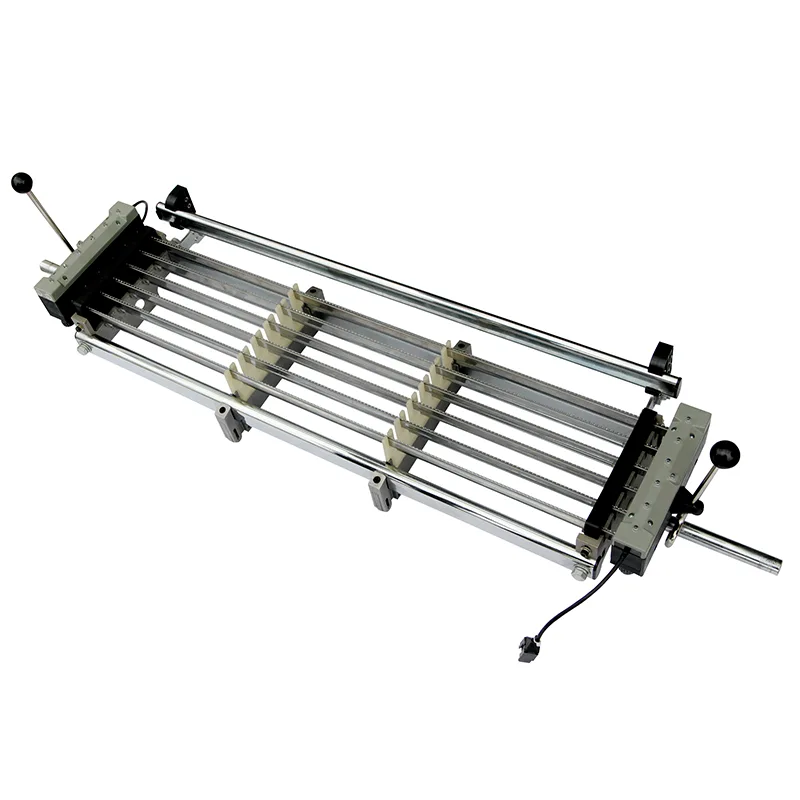
Why Do So Many Weaving Problems Start With Poor Warp Break Response?
I have noticed that many production issues begin with one simple gap between machine behavior and operator reaction time. If warp break detection is delayed, the loom may continue running long enough to create defects, waste raw material, and add rework to an already busy schedule. When that happens repeatedly, the cost is no longer small.
- I lose production time every time an operator needs extra minutes to identify the break point.
- I face quality instability when defects are discovered too late in the process.
- I spend more on maintenance when unreliable mechanisms create avoidable stoppages.
- I put extra pressure on new workers when the system is difficult to understand or operate.
This is why an effective Warp Stop Motion solution should not be judged only by its basic stopping function. I believe it should also be judged by how quickly it helps my team identify the problem, resume work, and protect product consistency.
What Should I Really Look For In A Reliable Warp Stop System?
When I evaluate weaving equipment, I do not want vague promises. I want to know whether the design fits the actual environment of a textile plant. Dust, humidity, vibration, frequent shifts, and mixed operator skill levels all affect day-to-day performance. A practical Warp Stop Motion setup should support stable operation under these conditions rather than look good only on paper.
The features I pay attention to most usually include the following points.
- Fast and accurate detection of warp yarn abnormalities
- Stable machine stopping performance during continuous production
- Clearer fault positioning that helps operators act quickly
- Durable structure that resists wear in demanding workshop conditions
- Simpler operation that reduces training time for new staff
- Compatibility with different loom types and production needs
If a Warp Stop Motion system can support these needs in a balanced way, it becomes more than a protective device. It becomes part of the mill’s efficiency strategy.
How Does Better Detection Translate Into Better Fabric Quality?
I think this is where many buyers start seeing the real commercial value. A weaving line does not only need speed. It needs controlled speed. When warp abnormalities are detected quickly and the machine responds in time, the line is less likely to continue producing defects such as missing ends or visible weaving faults.
That matters for several reasons. First, I can reduce waste of yarn and fabric. Second, I can avoid sending questionable material further down the line. Third, I can protect delivery schedules because rework and quality disputes become less frequent. In practical terms, a more responsive Warp Stop Motion solution helps me control risk before that risk spreads across production.
| Production Challenge | What Happens Without Effective Control | What A Better Response Helps Me Achieve |
| Warp yarn break | Machine may continue running and create additional defects | Rapid stop reduces defective output and material loss |
| Slow fault identification | Operators spend more time locating the issue | Faster recovery shortens downtime and supports output stability |
| Inexperienced operators | More mistakes and longer training cycles | Simpler operation improves consistency across shifts |
| Harsh workshop conditions | Higher wear, higher maintenance frequency | More durable construction supports long-term use |
Which Buyer Pain Points Can A Better Warp Stop Motion Solve First?
When I speak with buyers or plant managers, I usually hear the same practical concerns. They are not looking for abstract technical language. They want answers to operational pressure points that show up every week.
-
Can I reduce unexpected downtime?
A stable and responsive Warp Stop Motion system helps stop minor yarn issues from becoming extended production delays. -
Can I lower defect-related losses?
Better break monitoring helps reduce fabric faults caused by delayed shutdown. -
Can I make operation easier for new employees?
A more user-friendly structure can shorten training time and reduce dependence on highly experienced staff. -
Can I control long-term maintenance costs?
Durable materials and a sensible design can support longer service life and fewer interruptions. -
Can I keep productivity stable across different orders?
A dependable mechanism supports smoother operation even when production demands change.
These are the kinds of issues that influence purchasing decisions, and they are exactly why equipment selection should be tied to business outcomes rather than just unit price.
Is The Lowest Purchase Price Really The Lowest Cost In Production?
I do not think so, and most experienced buyers would probably agree. The cheaper option can become expensive very quickly if it leads to frequent stoppages, difficult handling, inconsistent detection, or shorter service life. In weaving, a low purchase price does not mean much if the equipment adds hidden costs every day.
When I compare options, I prefer to think in terms of operational value.
| Cost Factor | Short-Term View | Long-Term View |
| Initial purchase | Focuses on the listed selling price | Considers whether the system supports lasting efficiency |
| Downtime impact | Often underestimated during buying | Directly affects output, labor use, and delivery performance |
| Training demand | May be ignored at first | Influences onboarding speed and operational consistency |
| Maintenance frequency | Looks manageable in the beginning | Can become a recurring burden over time |
| Fabric defect risk | Seen as occasional | Can quietly erode profit and customer confidence |
That is why I see a well-built Warp Stop Motion solution as an investment in process control rather than a simple hardware purchase.
How Can I Choose A Warp Stop Motion That Matches My Loom And Production Goals?
I usually start by asking a few practical questions instead of jumping straight into specifications.
- What type of loom am I running now, and what type might I add later?
- How often do I face warp-related stoppages during normal production?
- Do my operators need simpler fault visibility and easier handling?
- Is my workshop environment demanding in terms of dust, humidity, or intensity?
- Am I prioritizing reduced waste, faster troubleshooting, or overall durability?
These questions help me narrow down what kind of Warp Stop Motion configuration makes the most sense. Some mills need stronger support for high-speed production. Some care more about clear fault location. Others are trying to improve durability in challenging environments. The right choice is the one that fits the production reality, not the one with the most impressive wording.
What Makes A Product More Practical For Real Operators On The Factory Floor?
I always come back to one simple principle. Equipment should help people work better, not make them work harder. In a real weaving workshop, there is rarely time for complicated procedures. Operators need systems that are easy to understand, responsive in use, and dependable over long shifts.
That practical value shows up in several ways.
- Problems can be identified faster, which supports quicker restart
- Operation becomes more consistent across teams and shifts
- Training pressure becomes lighter for mills with staff turnover
- Production planning becomes more predictable when stoppages are easier to control
For me, this is one of the strongest arguments for choosing a well-considered Warp Stop Motion solution. It does not just protect the loom. It supports the people responsible for keeping the line running.
Why Does A Smarter Equipment Decision Strengthen Competitiveness Over Time?
Textile competition is not only about capacity. It is also about consistency, delivery confidence, and the ability to manage cost without sacrificing quality. If I can reduce avoidable downtime, lower defect rates, and make daily operation more efficient, I build an advantage that customers can feel even if they never see the equipment itself.
That is why I do not look at Warp Stop Motion as a narrow mechanical detail. I look at it as part of a broader production strategy. Small improvements in detection, durability, and usability can create a meaningful difference in output stability and cost control over time.
How Can I Move Forward If I Want A More Reliable Warp Stop Motion Solution?
If you are reviewing options for your weaving line, this is the right time to look beyond basic product labels and focus on what will actually improve your production results. A dependable Warp Stop Motion system can help you reduce downtime, support fabric quality, simplify operation, and improve long-term equipment value. If you want to discuss the right solution for your loom type, production conditions, or purchasing plan, please contact us to start the conversation. A clear inquiry today can save you a great deal of production trouble tomorrow.