
How Can the Right Stainless Steel Divider Strip Improve Weaving Stability and Reduce Production Trouble?
2026-05-08
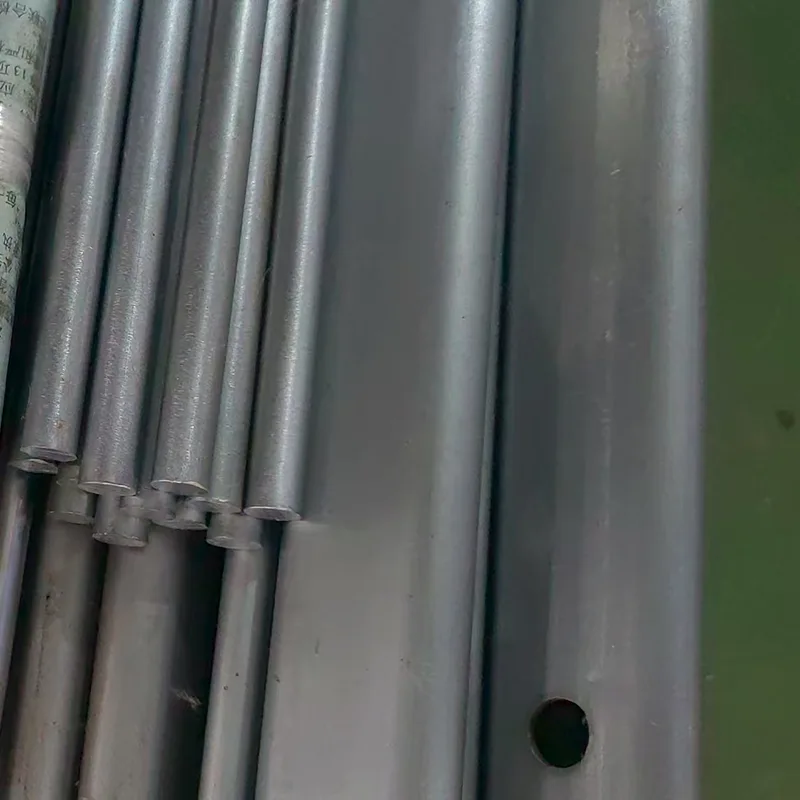
When I look at weaving efficiency from a practical production angle, I do not start with flashy upgrades. I start with the small parts that quietly affect yarn control, machine stability, and fabric consistency every single day. That is exactly where Changshu Changxin Textile Equipment Co., Ltd. gradually comes into the picture for me. In warp separation work, a dependable Stainless Steel Divider Strip is not just a simple accessory. It directly influences how smoothly yarns run, how often operators need to intervene, and how reliably a loom can maintain output under demanding conditions.
I have seen many buyers focus on motors, frames, or high-visibility machine components while overlooking the actual separator structure that keeps warp yarns properly aligned. In real production, however, poor yarn separation often leads to friction, overlap, instability, surface defects, and wasted time. That is why I think choosing a well-made Stainless Steel Divider Strip matters much more than many people first assume.
Why Do So Many Weaving Problems Begin with Yarn Separation?
In weaving, problems rarely begin as dramatic machine failures. More often, they start as small irregularities that slowly affect the whole line. If warp yarns are not guided evenly, they may rub against each other, shift out of position, or create unstable tension zones. Once that happens, fabric quality becomes harder to control.
From my perspective, the common pain points usually include the following:
- Warp yarn entanglement during high-speed operation
- Uneven yarn spacing that affects downstream weaving consistency
- Extra friction that increases hairiness or damages sensitive yarns
- Frequent maintenance caused by wear, deformation, or weak material strength
- Long installation or replacement time that interrupts production plans
When I evaluate solutions for these issues, I pay close attention to whether the divider structure can keep yarn paths clear and repeatable over time. A well-designed Stainless Steel Divider Strip helps solve these problems at the source instead of leaving operators to constantly manage the symptoms.
What Makes a Stainless Steel Divider Strip More Practical Than a Generic Separator Option?
I care less about marketing language and more about whether a component performs well in an actual mill environment. A practical divider strip should be stable, precise, resistant to wear, and easy to fit into existing operating conditions. That is why stainless steel remains such a sensible material choice.
Here is how I would summarize the practical value:
- It offers strong resistance to wear under repeated yarn contact
- It keeps structural shape better during long production cycles
- It supports cleaner and more uniform yarn separation
- It suits demanding textile environments where stability matters daily
- It reduces the need for frequent replacement compared with weaker alternatives
For me, the biggest advantage of a Stainless Steel Divider Strip is not just durability on paper. It is the way that durability supports more predictable output. When a separator component holds its shape and spacing well, I get fewer surprises on the production floor.
Which Product Features Actually Help Buyers Solve Real Production Pain Points?
When I assess a divider strip for procurement, I focus on features that translate into measurable shop-floor benefits. I do not want features that only sound impressive in a brochure. I want features that help with installation, daily running, compatibility, and defect reduction.
| Feature | Why I Think It Matters | What Problem It Helps Solve |
| Stainless steel construction | Provides strength and wear resistance for long-term use | Reduces premature replacement and unstable performance |
| Precise separator spacing | Helps maintain orderly warp yarn alignment | Limits overlap, tangling, and uneven yarn distribution |
| Smooth and rounded contact areas | Supports gentler yarn handling during operation | Reduces friction-related damage and excess hairiness |
| Customizable dimensions | Allows better matching with loom width and warp density needs | Avoids poor fit and unnecessary modification work |
| Easy installation | Saves labor and shortens adjustment time | Reduces downtime during setup or replacement |
| Compatibility with multiple loom applications | Makes procurement more flexible across production lines | Simplifies sourcing for mills running different machine types |
These are the kinds of details I look for because they directly connect to cost control. A good Stainless Steel Divider Strip does not just sit on the machine. It supports smoother operation, lowers intervention frequency, and helps buyers avoid hidden waste.
How Does Better Warp Separation Affect Fabric Quality?
Fabric quality often depends on consistency before the actual weaving result becomes visible. If warp yarns enter the process unevenly, defects may not show up immediately, but they will eventually appear in tension irregularities, broken yarn incidents, or inconsistent fabric appearance.
I usually connect proper yarn separation with these quality benefits:
- More even yarn alignment before weaving begins
- Lower risk of yarn crossing and local tension imbalance
- Better control over fabric uniformity
- Reduced chance of defects linked to friction and overlap
- More stable operation during longer runs
That is why I do not treat a Stainless Steel Divider Strip as a minor consumable. I see it as one of the components that quietly protects quality consistency. In textile production, that kind of reliability often matters more than dramatic claims about speed.
Where Can a Stainless Steel Divider Strip Be Used Most Effectively?
One reason I find this product category useful is its broad applicability. Mills do not all run the same yarn type or fabric structure, so I prefer components that can work across a range of weaving conditions rather than only in a narrow niche.
In my view, this kind of divider strip is especially relevant in scenarios such as:
- Cotton fabric production where clear warp separation supports cleaner running
- Chemical fiber processing where stable guidance helps maintain order at higher speeds
- Blended yarn applications where friction control becomes more important
- Stretch yarn environments where yarn movement can be harder to manage
- Industrial fabric production where strength and operational stability are both essential
For buyers serving multiple textile segments, that flexibility makes sourcing easier. Instead of looking for a narrowly defined part for every separate condition, I can prioritize a Stainless Steel Divider Strip that supports broader production needs while still meeting precision requirements.
What Should I Check Before Choosing the Right Divider Strip Supplier?
I never choose based on a product title alone. If I am sourcing parts that affect machine stability and yarn control, I want to know whether the supplier understands actual application demands. That includes material quality, machining consistency, dimensional control, and product matching across different loom setups.
Before I place an order, I usually check these points:
- Whether the supplier has specialized experience in textile machinery components
- Whether custom sizing is available for different warp frame requirements
- Whether the product is built for long-term wear resistance
- Whether installation is straightforward for daily factory use
- Whether the supplier can communicate clearly about compatibility and lead time
- Whether after-sales support is responsive when technical questions arise
This is where an experienced manufacturer tends to stand out. I do not want vague promises. I want a supplier that understands how a divider strip functions within the broader warp system and can recommend the right fit without forcing unnecessary complexity into the purchase process.
Is a Low-Cost Divider Strip Really the More Economical Choice?
I understand why buyers compare price first. Budget matters. But in textile production, low upfront cost can become expensive very quickly if the part wears too fast, separates yarn poorly, or causes repeat stoppages. I have learned that real cost should be measured over the operating cycle, not just on the quotation sheet.
| Buying Approach | Short-Term Result | Long-Term Impact |
| Choose only by lowest unit price | Lower initial purchase cost | Higher risk of wear, replacement, downtime, and unstable output |
| Choose by performance and fit | More thoughtful procurement decision | Better service life, smoother running, and lower total operating disruption |
For me, a reliable Stainless Steel Divider Strip is usually the more economical option because it supports operational continuity. That matters a lot when the cost of defects, stoppages, and manual intervention is higher than the difference between two part prices.
How Would I Explain the Product Value to a Practical Buyer?
If I had to explain it simply, I would say this: the divider strip helps the loom do its job with less friction, less disorder, and less avoidable trouble. That may sound basic, but in production, basic stability is often what protects output, quality, and labor efficiency.
I would frame the value like this:
- It helps maintain orderly warp separation
- It supports more stable weaving performance
- It lowers the chance of defects linked to yarn interference
- It reduces replacement frequency through durable material selection
- It saves setup time with practical installation design
- It adapts to a variety of textile production needs
That is the reason I see long-term procurement value in a well-made Stainless Steel Divider Strip. It addresses day-to-day operating pain points in a direct and useful way rather than promising unrealistic transformation.
Why Would I Recommend Talking to the Supplier Before Making the Final Decision?
Even when a product looks suitable on paper, the best sourcing decisions usually come from a direct conversation about actual working conditions. Warp density, loom model, yarn type, installation preferences, and production targets all affect which specification makes the most sense.
If you are currently comparing options for a Stainless Steel Divider Strip, I would strongly recommend discussing your application details before placing the order. A more accurate match can save time, reduce adjustment work, and help you avoid performance issues after installation. If you want to find a more suitable solution for your textile machinery setup, contact us today and send your inquiry. The right support at the sourcing stage can make the entire production process easier, more stable, and more cost-effective.