
How Can the Right Glove Yarn Help Buyers Cut Costs Without Sacrificing Quality?
2026-03-18
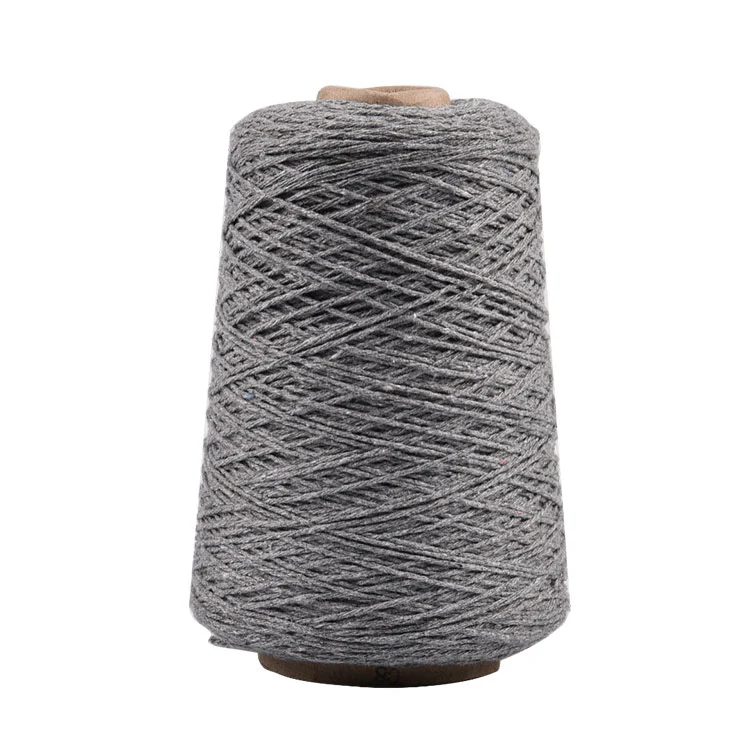
When I speak with glove importers, factory owners, and sourcing managers, I notice the same concern appears again and again. They do not simply want yarn. They want consistency, stable supply, practical pricing, and dependable performance in the finished gloves. That is why Cai Kingdom Group Co., Limited gradually comes into the conversation so naturally. As buyers look deeper into production efficiency and long-term value, they start paying more attention to how the right Glove Yarn can improve glove durability, knitting stability, and purchasing control at the same time.
I see this issue most often in work glove production, where every detail matters. If the yarn is too weak, glove breakage becomes more frequent during knitting or during actual use. If the yarn quality varies from batch to batch, factories waste time adjusting machines and dealing with uneven output. If the cost is too high, profit margins become harder to protect. A well-chosen Glove Yarn solves these problems from the very beginning, which is exactly why serious buyers no longer treat yarn as a simple raw material.
Why Do So Many Glove Manufacturers Struggle With Yarn Selection?
In my experience, glove producers are rarely dealing with just one challenge. They are usually balancing cost, speed, strength, comfort, and appearance all at once. A yarn that looks affordable on paper may create hidden losses later through machine downtime, inconsistent texture, or unstable glove quality. That is why yarn selection has become a strategic decision rather than a routine purchase.
- I often see buyers worry about unstable yarn counts affecting knitting efficiency.
- I also notice that color consistency can influence how professional the finished gloves look in the market.
- For industrial gloves, tensile strength and abrasion resistance remain major concerns.
- For bulk orders, reliable monthly supply is just as important as the yarn itself.
- Many buyers now want more cost-effective materials that still support environmental responsibility.
Once these pressures are combined, it becomes much easier to understand why choosing the right Glove Yarn can directly affect product competitiveness, production rhythm, and customer satisfaction.
What Makes A Reliable Glove Yarn Worth Paying Attention To?
I do not think buyers should judge yarn by price alone. The real value of a dependable Glove Yarn comes from how it performs across the full production cycle. From fiber blending to spinning quality and final glove application, every stage influences the final result. A practical yarn for glove manufacturing should support both production efficiency and end-use performance.
| Key Factor | Why It Matters | Buyer Benefit |
| Yarn strength | Helps reduce breakage during knitting and use | Lower waste and better glove durability |
| Evenness | Supports smoother machine operation | More stable production output |
| Color blending | Improves the visual consistency of finished gloves | Better product presentation in wholesale markets |
| Cost efficiency | Helps manage raw material budgets | Better pricing flexibility for bulk orders |
| Supply stability | Reduces the risk of delivery disruption | More confidence in long-term procurement |
When I evaluate yarn for glove production, I always focus on whether it can help the buyer produce more efficiently while keeping the finished product competitive. That is the standard that matters in real business.
How Can Better Yarn Improve Glove Production Efficiency?
One point that buyers often underestimate is the link between yarn quality and factory productivity. A more stable Glove Yarn does more than improve the glove itself. It can also reduce interruptions, simplify machine adjustment, and support smoother large-volume production. In manufacturing, that operational stability quickly turns into measurable value.
I have found that good yarn contributes to production efficiency in several practical ways.
- It helps knitting machines run with fewer interruptions.
- It reduces the need for repeated process correction caused by uneven yarn structure.
- It supports more predictable glove sizing and structure.
- It lowers material waste during mass production.
- It makes order planning easier for factories handling multiple glove specifications.
That is why buyers who focus only on the quoted yarn price often miss the bigger picture. The real comparison should include downtime, waste, labor adjustment, and the consistency of the final gloves delivered to market.
Why Are Cost Control And Sustainability Becoming Part Of The Same Conversation?
Today, more buyers want to lower costs without moving backward in responsibility. That is where this category becomes especially attractive. In many sourcing discussions, I see growing interest in yarn solutions that combine practical pricing with more efficient use of textile resources. For glove manufacturers serving price-sensitive markets, this balance matters a lot.
A cost-effective Glove Yarn can support both commercial and environmental goals when it is produced with careful raw material selection and quality control. Buyers do not want a sustainability story that creates new production risks. They want a yarn that still feels commercially realistic.
| Buyer Concern | What They Usually Want | How The Right Yarn Responds |
| Raw material cost pressure | More competitive procurement | Supports better cost control in glove production |
| Market demand for practical products | Affordable gloves with reliable performance | Balances price and usability |
| Sustainability expectations | Responsible sourcing direction | Supports a more resource-conscious supply chain |
| Quality concerns | No compromise in production stability | Requires strong process management and inspection |
For me, that is the more realistic way to discuss sustainability in the yarn business. It should be connected to supply performance, cost control, and actual manufacturing needs, not treated as an empty slogan.
What Should Buyers Look For Before Choosing A Yarn Supplier?
I always believe the supplier matters as much as the yarn itself. Even a promising product can become a procurement problem if the supplier cannot maintain quality, volume, or communication. When I assess a yarn partner, I pay close attention to how well they support repeat business, technical coordination, and delivery reliability.
- I look for suppliers that understand the production logic behind gloves, not just yarn sales.
- I value clear quality control procedures before shipment.
- I pay attention to whether they can support different counts, blends, and order scales.
- I consider whether communication is efficient enough for export business.
- I prefer suppliers that understand long-term cooperation instead of one-time transactions.
These points matter because yarn procurement rarely ends with a single sample. Most buyers need dependable support for repeat orders, specification adjustments, and shipment planning. A supplier that understands this will always stand out in a crowded sourcing market.
How Can The Right Glove Yarn Support Different Market Needs?
Not every buyer serves the same market, and that changes the yarn priorities. Some buyers focus on working gloves where durability and cost are central. Others may need yarn suitable for general-purpose gloves where appearance, hand feel, and stable production all matter. That is why flexible product understanding is important.
I usually recommend thinking about Glove Yarn in terms of application rather than treating it as one standard item. Different markets can value different strengths.
- For industrial work gloves, durability and efficient production usually take priority.
- For wholesale glove traders, stable quality and competitive pricing are essential.
- For long-term importers, monthly supply capacity and repeat-order consistency matter most.
- For developing markets, practical performance at an accessible cost can be the deciding factor.
This is exactly why a professional yarn supplier should be able to discuss not only the yarn itself, but also the buyer’s glove application, market segment, and production goals.
Why Does A Long-Term Procurement Strategy Start With One Good Inquiry?
In my view, smart sourcing begins when buyers stop asking only for the lowest price and start asking the right questions about performance, consistency, and supply support. A dependable Glove Yarn can reduce hidden production costs, improve glove quality, and make future orders easier to manage. That is the kind of value serious buyers are really looking for.
If you are comparing suppliers, testing new yarn options, or trying to improve your glove production results, this is the right time to take the next step. Contact us to discuss your requirements, request product details, or send an inquiry for your next order. I believe the right yarn choice can strengthen your glove business from the first sample to long-term bulk supply, and I would be glad to help you find the most suitable solution.