
How Can Cotton Hammock Yarn Help Buyers Build Stronger, More Comfortable Outdoor Products?
2026-05-20
When I look at the outdoor textile market, I notice that many buyers are not simply searching for a yarn supplier. They are trying to solve very real production problems, such as weak hammock bodies, unstable color batches, rough hand feel, slow delivery, and yarn breakage during weaving. That is why I pay close attention to manufacturers with practical yarn experience, including Cai Kingdom Group Co., Limited, a company that has been gradually serving buyers who need dependable Cotton Hammock Yarn for hammocks, craft products, pet toys, and other durable textile applications.
For a hammock brand, a trading company, or a textile workshop, yarn quality is not a small detail hidden inside production. It directly affects the product’s strength, appearance, comfort, and customer reviews. If the yarn is too weak, the hammock may stretch out too quickly. If the twist is unstable, the fabric may look uneven. If the color is inconsistent, the finished product may lose its value before it even reaches the market. I have seen buyers focus only on price at the beginning, then pay much more later because the wrong yarn slowed down their production line.
That is why I believe choosing the right Cotton Hammock Yarn should be treated as a production decision, not just a purchasing decision.
Why Does Cotton Hammock Yarn Matter More Than Many Buyers Expect?
A hammock is simple in appearance, but it places heavy demands on yarn. It must support weight, resist friction, remain comfortable against the skin, and keep its structure after repeated use. Outdoor products also face sunlight, moisture, pulling, storage pressure, and frequent folding. If the yarn is not selected carefully, these small pressures quickly become visible problems.
From my experience, buyers usually care about three things most when sourcing hammock yarn.
- They want enough strength to support repeated pulling and long-term use.
- They want a comfortable touch that does not feel too harsh for leisure products.
- They want stable production performance so weaving, crochet, or knitting work can run smoothly.
This is where Cotton Hammock Yarn becomes valuable. A cotton-based or cotton-polyester blended yarn can offer a balanced combination of softness, breathability, and durability. For hammock production, that balance matters more than a single technical number. Buyers do not only need a yarn that looks good on a specification sheet. They need a yarn that behaves well in real production and performs well in finished goods.
What Problems Can the Right Cotton Hammock Yarn Help Me Avoid?
When I speak with textile buyers, their complaints are often surprisingly similar. Some have received yarn that breaks during weaving. Some have had problems with excessive fuzz. Some found that the final hammock looked uneven because the yarn count was not consistent enough. Others struggled with suppliers that could not provide suitable color options or technical suggestions when production problems appeared.
Good Cotton Hammock Yarn helps reduce these risks by improving consistency from the yarn stage. The better the yarn behaves, the easier it becomes to control the finished product.
| Buyer Pain Point | Possible Cause | How Better Yarn Selection Helps |
|---|---|---|
| Yarn breaks during production | Low strength, unstable twist, or poor spinning control | A suitable hammock yarn supports smoother weaving and reduces downtime |
| Finished hammock feels too rough | Improper material blend or unsuitable yarn count | Cotton-rich yarn can improve hand feel and user comfort |
| Uneven product appearance | Inconsistent count, dyeing, or batch control | Stable yarn quality helps create a cleaner and more uniform surface |
| Color does not match the product plan | Limited color support or weak color communication | Suppliers with color cards and sample support make confirmation easier |
| Production advice is unavailable | Supplier only sells yarn without technical understanding | Experienced suppliers can suggest usage, dyeing, weaving, and finishing adjustments |
In other words, I do not judge hammock yarn only by its price per kilogram. I look at whether it can help the buyer protect production efficiency, reduce waste, and keep the finished hammock competitive.
How Should I Choose Cotton Hammock Yarn for Outdoor Hammocks?
When I choose yarn for outdoor hammock production, I start with the end use. A hammock for casual backyard use may require a different feeling from a heavy-duty hammock for outdoor camping brands. A decorative hammock chair may care more about color and texture, while a load-bearing woven hammock may require stronger yarn structure and better abrasion resistance.
For most hammock projects, I would check these points first.
- Yarn count because thickness affects weight, strength, weaving effect, and product style.
- Twist level because twist influences strength, surface appearance, and production stability.
- Material composition because cotton and polyester bring different advantages to comfort and durability.
- Color availability because outdoor textile products often rely on attractive seasonal colors.
- Packaging method because long-distance transportation can damage yarn if packing is careless.
- Sample support because testing before bulk purchase lowers sourcing risk.
A practical supplier should not push one yarn for every buyer. Instead, the supplier should understand the product type, machine condition, order quantity, color plan, and target market. That is one of the reasons I prefer working with yarn producers that can discuss actual usage rather than only sending a price list.
Which Specifications Should I Review Before Buying Cotton Hammock Yarn?
Specifications are not just formal details. They help buyers compare yarn options more clearly and communicate with their production team. For Cotton Hammock Yarn, I normally pay attention to yarn count, twist, spinning method, color pattern, minimum order quantity, and sampling options.
| Specification Area | Why I Check It | What It Means for Buyers |
|---|---|---|
| Yarn Count | It affects thickness, strength, weight, and visual texture | Buyers can match the yarn to hammock style and production method |
| Twist | It influences durability and resistance to breakage | Stable twist can support smoother production and better finished quality |
| Open End Spinning | It is commonly used for coarse and practical textile yarns | It can suit industrial and outdoor textile applications |
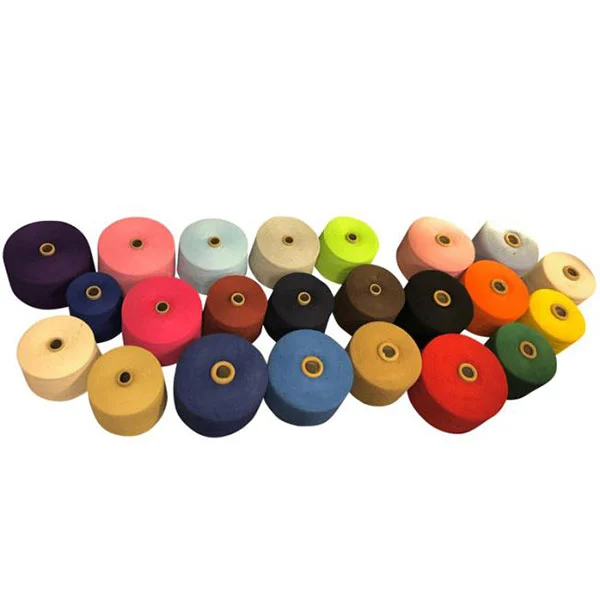
| Dyed Options | Color affects market appeal and product differentiation | Buyers can develop hammocks for different regions, seasons, and retail styles |
| Sample Availability | Testing helps avoid mistakes before bulk production | Buyers can confirm hand feel, color, and machine performance in advance |
| MOQ | It determines whether the order suits trial runs or bulk production | Buyers can plan purchasing volume according to real demand |
I always recommend testing yarn before making a large order. Even when a product looks suitable on paper, the real proof appears on the machine and in the finished hammock. A small sample can reveal whether the yarn runs smoothly, whether the color works with the design, and whether the finished texture meets the buyer’s expectation.
How Does Cotton Hammock Yarn Improve Product Comfort and Durability?
Comfort and durability often seem like opposite goals, but a well-selected cotton hammock yarn can help buyers achieve both. Cotton contributes a softer, more breathable touch. Polyester, when blended properly, can add strength, wear resistance, and better shape retention. This is why cotton-polyester hammock yarn is often used for products that need both comfort and practical performance.
For buyers selling hammocks to outdoor, garden, leisure, or home decor markets, this balance is important. Customers may not understand yarn structure, but they immediately notice whether a hammock feels pleasant, looks attractive, and holds its shape after use. A product that feels rough or stretches too easily will not earn repeat orders.
That is why I see Cotton Hammock Yarn as more than a raw material. It is part of the customer experience. The yarn affects how the hammock feels when someone lies in it, how it looks in a product photo, how it performs after repeated use, and how confidently the buyer can promote it in the market.
What Applications Can Cotton Hammock Yarn Support Besides Hammocks?
Although hammock production is the main application, I would not limit this yarn to hammocks only. Coarse cotton and cotton-polyester yarns can also be useful in several textile and craft products. Buyers with flexible production lines may use the same yarn category for multiple product directions, which helps improve purchasing efficiency.
- Hammocks for gardens, patios, resorts, camping, and leisure spaces
- Hammock chairs and hanging chairs with woven or crochet structures
- Pet toys that require stronger yarn and a thicker texture
- Handmade crafts such as wall hangings, decorative ropes, and woven bags
- Home textile accessories that need a natural and textured appearance
- Decorative textile items where color and thickness create visual value
This application flexibility is useful for wholesalers and importers. Instead of sourcing many different yarn types from scattered suppliers, buyers can develop several product lines around one reliable yarn category. This makes inventory planning, sampling, and supplier communication much easier.
Why Should Packaging Be Considered When Buying Cotton Hammock Yarn?
Packaging may sound like a secondary detail, but I never ignore it. Yarn can travel a long way before it reaches the buyer’s warehouse. During loading, shipping, unloading, and storage, poor packaging can lead to friction, dirt, deformation, moisture exposure, or damaged cones. These problems may not look serious at first, but they can create waste during production.
For hammock yarn, woven bag packaging and carton packing are both common choices, depending on order requirements and logistics plans. What matters most is whether the yarn is protected from unnecessary rubbing and pressure. A supplier that pays attention to packaging usually understands that quality does not stop after spinning. It must be preserved until the buyer actually uses the yarn.
When I review a potential order, I usually ask about the number of cones per bag, cone protection, loading weight, carton options, pallet options, and whether special packing can be arranged. These questions may sound detailed, but they help prevent avoidable problems after shipment.
How Can Technical Support Make Cotton Hammock Yarn Purchasing Easier?
One thing I value highly is supplier communication. A buyer may know the target product very well, but the supplier should know the yarn deeply. When both sides communicate clearly, production decisions become easier.
Technical support can include suggestions for dyeing, weaving, finishing, machine efficiency, and yarn usage. This kind of support is especially helpful when a buyer is developing a new hammock style or adjusting an existing product. A small change in yarn count, twist, color, or process may improve the finished result.
I would rather work with a supplier that asks practical questions than one that only quotes quickly. For example, a good supplier may ask about the buyer’s machine type, desired finished weight, target color, order volume, market positioning, and whether the yarn will be used for weaving, crochet, or another process. These questions help match the yarn to the buyer’s actual production needs.
Is Cotton Hammock Yarn a Good Choice for Buyers Who Need Stable Supply?
For importers, distributors, and manufacturers, stable supply is often just as important as product quality. A good sample is useful, but stable repeat orders are what build long-term business. If each batch changes too much, the buyer must spend extra time adjusting production and explaining differences to customers.
That is why I consider consistency a major advantage when choosing Cotton Hammock Yarn. A reliable supplier should help buyers maintain steady quality in yarn count, color, twist, packing, and delivery communication. This is especially important for buyers who sell under their own brand or supply retail customers with repeat orders.
Stable yarn supply can support better business planning in several ways.
- It helps manufacturers reduce machine adjustment time.
- It helps wholesalers keep product quality consistent across shipments.
- It helps brands maintain customer trust in repeat product lines.
- It helps purchasing teams plan seasonal orders with less uncertainty.
- It helps reduce complaints caused by color or texture differences.
What Should I Ask Before Placing an Order for Cotton Hammock Yarn?
Before placing an order, I would not rely on a single product photo or a short quotation. I would ask practical questions that connect directly to production and business risk. These questions help buyers avoid misunderstanding and choose a yarn that truly fits their market.
| Question I Would Ask | Why It Matters |
|---|---|
| Can I get color cards or samples before bulk ordering? | Samples help confirm quality, color, and production suitability. |
| Which yarn count is better for my hammock style? | Different hammock designs need different thickness and strength levels. |
| What packing method is recommended for my shipping plan? | Proper packing helps protect yarn during long-distance transportation. |
| Can you support dyed colors or customized colors? | Color flexibility helps buyers develop more attractive market products. |
| What should I do if the yarn does not run smoothly on my machine? | After-sales support can help solve efficiency problems more quickly. |
| What is the usual order quantity for this product? | MOQ planning helps buyers manage inventory and cash flow. |
These questions make the purchasing process more professional. They also show the supplier that the buyer is serious about quality, not only chasing the lowest price.
How Can I Get Better Value from Cotton Hammock Yarn Instead of Only Comparing Price?
Price matters, of course. No buyer can ignore cost. But in yarn sourcing, the lowest price is not always the lowest real cost. If a cheaper yarn causes breakage, uneven fabric, poor color matching, or customer complaints, the total loss can be much higher than the small saving at the beginning.
When I calculate value, I look at the full picture.
- Does the yarn reduce production interruptions?
- Does the finished hammock look consistent and marketable?
- Does the supplier provide useful samples and color support?
- Does the packaging protect the yarn during transportation?
- Does the supplier respond when technical problems appear?
- Can the same yarn support repeat orders and long-term product lines?
This is why a carefully selected Cotton Hammock Yarn can bring better value than a low-cost yarn with uncertain performance. Buyers are not only purchasing material. They are protecting production stability, brand reputation, and customer satisfaction.
Why Would I Recommend Cotton Hammock Yarn for Growing Outdoor Textile Brands?
Outdoor textile brands need products that feel natural, look appealing, and perform reliably. Hammocks are closely connected with comfort, relaxation, gardens, travel, and leisure living. The yarn must support that feeling while still meeting practical strength requirements.
I would recommend cotton hammock yarn to buyers who want a balance between comfort, durability, and production flexibility. It is suitable for companies developing hammock collections, craft-style outdoor products, pet-related textile goods, and decorative woven items. With the right supplier, buyers can also receive sample guidance, packing suggestions, and technical communication that make the sourcing process easier.
For me, the best yarn is not the one with the loudest claim. It is the one that helps the buyer produce better products with fewer problems. A dependable Cotton Hammock Yarn should support stable weaving, attractive appearance, comfortable touch, and repeatable quality from one order to the next.
How Can I Start Sourcing Cotton Hammock Yarn for My Next Order?
If you are developing hammocks, hammock chairs, pet toys, woven crafts, or other durable textile products, now is a good time to review whether your current yarn is truly supporting your production goals. The right yarn can help you improve product comfort, reduce production waste, and make your finished items more competitive in the market.
I would suggest starting with a clear inquiry. Share your target product, preferred yarn count, color requirements, order quantity, packing needs, and any production problems you want to solve. A professional supplier can then recommend a more suitable yarn option instead of giving you a generic answer.
To learn more about Cotton Hammock Yarn and discuss a suitable solution for your business, please send your requirements and contact us today. Leave an inquiry now, and the team can help you choose the right yarn for your next hammock or outdoor textile order.