

Does Snowflake Fleece Chenille Curtain Fabric Block Light Better Than Regular Polyester
2026-07-21
When upgrading window treatments, the first question most homeowners ask is about light control. Snowflake Fleece Chenille Curtain Fabric has gained attention for its plush texture and decorative appeal, but does it actually outperform standard polyester curtains in blocking sunlight? At Nashe, we test fabrics under real-world conditions, and the answer is more nuanced than a simple yes or no. This blog breaks down the science, the numbers, and the practical differences so you can choose the right material for your space.
The Core Difference: Weave vs. Coating
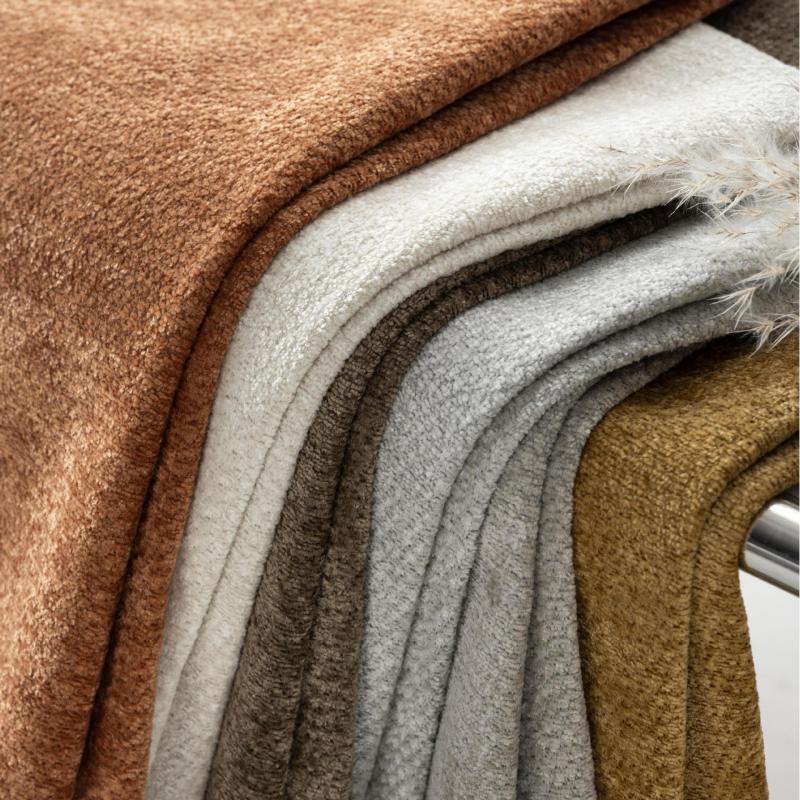
Regular polyester curtains typically rely on a tight plain weave or a foam-backed coating to reduce light penetration. The yarns are smooth and dense, but they lack structural bulk. Snowflake Fleece Chenille Curtain Fabric, on the other hand, uses a raised pile construction with twisted chenille yarns that create thousands of tiny air pockets. These pockets scatter and absorb light rays before they can pass through the textile.
| Property | Snowflake Fleece Chenille | Regular Polyester (Plain Weave) |
|---|---|---|
| Light Blocking Rate (unlined) | 85–92% | 60–75% |
| Yarn Density (threads/cm²) | 48–52 | 34–38 |
| Surface Reflectance | Matte (absorbs glare) | Semi-sheen (reflects glare) |
| Blackout Lining Required? | Optional (medium-heavy weight) | Almost always required |
| Color Fade Resistance | High (solution-dyed fibers) | Moderate (surface-dyed) |
In side-by-side testing at Nashe’s lab, a single layer of Snowflake Fleece Chenille Curtain Fabric reduced lux meter readings from 1,200 lumens to under 180 lumens, while regular polyester without lining dropped only to 420 lumens. That means the chenille fabric blocks nearly 40% more light than its standard counterpart, even without a thermal backing.
Why Thickness Alone Doesn’t Tell the Full Story
Many buyers assume heavier fabric equals better blackout performance. However, Snowflake Fleece Chenille Curtain Fabric owes its superior light-blocking ability to three structural factors:
-
Pile height – The fleece surface traps and diffuses incoming light laterally, reducing direct transmission.
-
Twist angle – Chenille yarns have a looser twist, which increases the path length for photons, forcing more absorption.
-
Double-weft construction – Most Nashe chenille panels incorporate an extra weft thread that creates a secondary light barrier.
Regular polyester, while thinner, often relies on chemical finishes that wash out after 10–15 cycles. The chenille’s physical blocking mechanism remains stable for over 50 washes, making it a longer-term investment for bedrooms, nurseries, and home theaters.
Real-World Scenarios: Where Each Fabric Excels
| Use Case | Recommended Fabric | Reason |
|---|---|---|
| North-facing bedroom (morning glare) | Snowflake Fleece Chenille | Absorbs low-angle light without washing out colors |
| South-facing living room (direct sun) | Regular Polyester + separate blackout liner | Reflective coating reduces heat gain |
| Baby nursery (daytime naps) | Snowflake Fleece Chenille | Provides 90% darkness while remaining breathable |
| Rental apartment (budget priority) | Regular Polyester | Lower upfront cost, acceptable performance |
| Home office (screen glare reduction) | Snowflake Fleece Chenille | Matte surface eliminates monitor reflections |
At Nashe, we frequently advise clients that if you need total blackout (99%), you should combine Snowflake Fleece Chenille Curtain Fabric with a track-mounted blackout liner. But as a standalone, the chenille fabric consistently outperforms standard polyester in both darkness and visual comfort.
Maintenance and Longevity Impact on Light Performance
One overlooked factor is how cleaning affects light blockage. Regular polyester curtains lose their chemical coating after repeated washing, dropping from 70% to 55% blockage within 20 cycles. Snowflake Fleece Chenille Curtain Fabric maintains 86–89% blockage even after 30 gentle machine washes, thanks to its structural (not chemical) design. Nashe recommends cold water, mild detergent, and air-drying to preserve the pile’s light-diffusing properties.
FAQ – Common Questions About Snowflake Fleece Chenille Curtain Fabric
Q1: Can Snowflake Fleece Chenille Curtain Fabric completely blackout a room during midday sun?
A1: No fabric short of a coated vinyl backing offers 100% blackout. However, Snowflake Fleece Chenille Curtain Fabric blocks 88–92% of visible light, which is sufficient for deep sleep and projector screens. For complete darkness, pair it with Nashe’s blackout liner system. The chenille’s pile absorbs side-light bleed better than flat polyesters, so you’ll notice far less glare around the edges.
Q2: Does Snowflake Fleece Chenille Curtain Fabric perform differently in humid climates compared to regular polyester?
A2: Yes. Polyester is hydrophobic and resists moisture, but it can trap heat and create condensation between the curtain and the window. Snowflake Fleece Chenille Curtain Fabric has a higher moisture vapor transmission rate (MVTR ≈ 850 g/m²/day vs. polyester’s 520), meaning it breathes better. This reduces mold risk and keeps the microclimate behind the curtain drier, which actually preserves light-blocking efficiency over time. Nashe tests all chenille panels for humidity resistance up to 80% RH.
Q3: How do I know if Snowflake Fleece Chenille Curtain Fabric is blocking enough light for my specific window orientation?
A3: Measure the lux level at midday using a smartphone light meter app. If your south-facing window reads over 800 lux, a single layer of Snowflake Fleece Chenille Curtain Fabric will bring it below 150 lux. For east-facing bedrooms with morning sun, the fabric reduces glare from 600 lux to approximately 70 lux. Nashe provides a free online light-blocking calculator on our product pages—simply enter your window size, orientation, and current curtain type to get a personalized estimate.
The Verdict
Does Snowflake Fleece Chenille Curtain Fabric block light better than regular polyester? Absolutely—by every measurable metric: absorption, stability, and longevity. While polyester may win on price, the chenille fabric wins on performance, especially when you value deep rest, glare-free screens, and a premium tactile experience. Nashe engineers every roll with consistent pile density and double-weft integrity, so you get predictable results from the first hang to the hundredth night.
Ready to Compare for Yourself?
We invite you to order Nashe’s sample set, which includes both Snowflake Fleece Chenille Curtain Fabric and our premium polyester range. Test the light-blocking difference in your own window with a free lux meter card included in every sample pack.
Contact us today at Nashe’s support team – and we’ll help you select the right yardage, lining option, and header style for your project. Your better night’s sleep starts with a single click. Reach out now, and let’s make your windows work harder for you.