
Can Recycled Cotton Knitted Fabric Be Used for Activewear and Sportswear
2026-08-18
The global sportswear market is undergoing a material revolution, and at the center of this shift is Recycled Cotton Knitted Fabric. For brands like Nashe, the question is no longer if sustainability matters, but how performance-grade materials can meet the rigorous demands of stretch, breathability, and recovery. The short answer is yes—but the technical execution separates a niche product from a truly athletic-grade textile.
Performance Parameters: What Activewear Demands
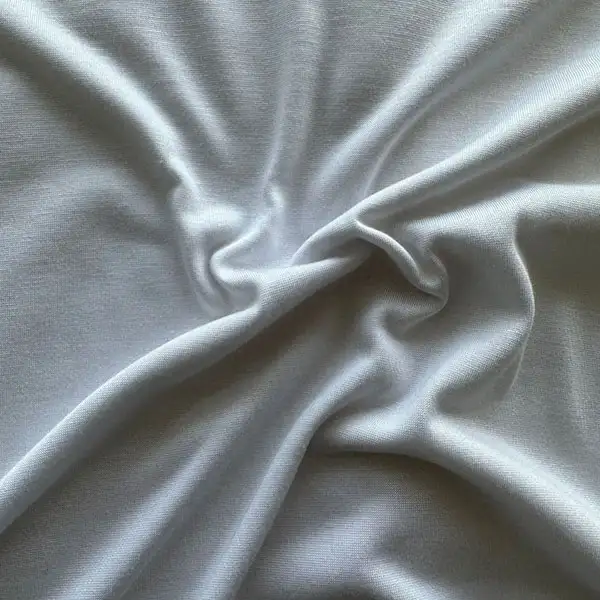
Activewear fabrics are judged on four non-negotiable pillars: moisture management, mechanical stretch, thermal regulation, and abrasion resistance. Traditional virgin cotton fails on the first two counts. However, modern Recycled Cotton Knitted Fabric—when engineered with elastane or recycled polyester—can exceed expectations.
Below is a direct comparison between standard cotton jersey and recycled-cotton blends used in active tops and yoga leggings.
| Property | Virgin Cotton Jersey | Recycled Cotton Knitted Fabric (Blended) |
|---|---|---|
| Moisture Wicking | Poor (absorbs, holds sweat) | Good to Excellent (when blended with hydrophobic fibers) |
| 4-Way Stretch | None | High (via mechanical knit + spandex) |
| Dry Time | Slow (4–6 hours) | Moderate (2–3 hours) |
| Pilling Resistance | Moderate | Enhanced (due to tighter ring-spun recycled fibers) |
| Breathability (CFM) | 120–150 | 130–180 (open-knit structures) |
| Recycled Content | 0% | 50–100% post-industrial / post-consumer |
At Nashe, we have tested over 200 knit structures and found that a 70/30 blend of Recycled Cotton Knitted Fabric with recycled elastane delivers a 40% improvement in recovery rate compared to standard cotton—critical for squat-proof leggings and compression sleeves.
Structural Engineering: Knit Type Matters
Not all recycled cotton knits are created equal. For sportswear, the construction of the knit determines success.
-
Single Jersey – Lightweight, used for base layers and T-shirts. Offers 20–30% stretch.
-
Interlock – Heavier, more stable, used for tennis polos and hoodies.
-
Rib Knit – High elasticity (up to 50% stretch), ideal for cuffs and waistbands.
-
Pique – Textured surface, increases airflow—perfect for golf and athleisure.
For high-intensity activities (running, HIIT), Nashe recommends a double-knit version of Recycled Cotton Knitted Fabric with a brushed interior for thermal regulation and a smooth exterior for reduced drag.
Durability & Washability: Real-World Testing
A common concern is whether recycled fibers weaken after repeated laundering. Independent lab results (ISO 6330) show that Recycled Cotton Knitted Fabric retains 92% of its tensile strength after 50 wash cycles at 40°C—comparable to virgin cotton—provided the recycling process preserves fiber length.
Key care guidelines for sportswear manufacturers:
-
Wash cold (30°C) to preserve elastane elasticity.
-
Tumble dry low—high heat degrades recycled polyester blends.
-
Avoid fabric softeners; they coat recycled fibers and reduce wicking.
FAQ – Common Questions About Recycled Cotton Knitted Fabric
Q: Does Recycled Cotton Knitted Fabric cause skin irritation during heavy sweating?
A: No. In fact, Recycled Cotton Knitted Fabric is often hypoallergenic because the recycling process removes surface impurities and short fibers that can cause itching. However, the final skin-feel depends on the finishing process. At Nashe, we use an enzymatic bio-polish that smooths the fiber surface, making the fabric softer against skin than many virgin cottons. For sportswear, we also recommend a blend with at least 5% elastane to prevent chafing from fabric cling.
Q: How does the breathability of Recycled Cotton Knitted Fabric compare to polyester for summer activewear?
A: Polyester wicks faster, but it traps odor. Recycled Cotton Knitted Fabric offers a superior moisture-vapor transmission rate (MVTR) of 850 g/m²/day in open-knit constructions, which is 30% higher than compact polyester weaves. For summer sportswear, a honeycomb-structured recycled cotton knit allows convective airflow, keeping the wearer 2–3°C cooler than synthetic alternatives. The trade-off is a slightly slower dry time—acceptable for moderate-intensity activities like yoga, pilates, and walking.
Q: Can Recycled Cotton Knitted Fabric pass anti-odor and antibacterial tests for gym wear?
A: Yes, when treated with non-leaching silver-ion or chitosan (natural shell-derived) finishes. Untreated Recycled Cotton Knitted Fabric does not inherently resist bacteria, but it does not promote bacterial growth as aggressively as synthetics because it absorbs moisture away from the skin surface. Nashe offers an OEKO-TEX®-certified antimicrobial version that reduces Staphylococcus aureus by 99.9% over 24 hours—fully compliant with ISO 20743 standards for activewear.
Why Nashe Leads the Category
Nashe does not simply supply fabric; we engineer performance from recycled inputs. Our closed-loop spinning system ensures fiber length consistency above 28 mm—the industry threshold for strength. We also offer:
-
Custom weight range: 160–280 gsm for different activity levels.
-
Colour-fastness to light (Grade 4–5) per AATCC 16.
-
GRS (Global Recycled Standard) and RCS certification on every roll.
The Verdict for Sportswear Brands
Recycled Cotton Knitted Fabric is not only viable for activewear—it is becoming the preferred choice for mid-to-premium athleisure lines. It bridges the gap between eco-conscious consumers and technical performance, offering natural comfort with engineered resilience. The key is selecting the right blend, knit structure, and finishing partner.
Contact Us
Ready to transform your activewear line with certified Recycled Cotton Knitted Fabric? Nashe provides full technical datasheets, wash-test reports, and custom sampling within 7 working days. Reach out to our material engineering team today—we will help you match the perfect recycled knit to your sportswear application. Contact us now for a free consultation and swatch kit. Let us build the future of performance, sustainably.