

Molded Silicone Heat Transfer Labels Top 10 Picks for Durable Branding
2026-11-20
Durable branding often fails at the details: edges peel, inks crack, and logos fade just when they should be working hardest. Molded silicone heat transfer labels change that equation with a raised, flexible finish built for repeated abrasion, moisture, and stretch. This roundup narrows the field to ten dependable picks, including Victorygen heat transfer label, so you can spot the difference between ordinary decoration and labeling that actually holds up.
Why Molded Silicone Rejects Ordinary Heat Transfers
A standard heat transfer is designed with the assumption that the receiving surface will grip the carrier. Molded silicone does the opposite. Its low surface energy and naturally slick finish send most adhesives sliding, which is exactly what you want when pulling a part from a mold but a poor starting point for a transfer that needs to bite in and hold.
The mismatch gets worse once heat and movement enter the picture. Silicone tolerates temperatures that would break down many transfer films, and it flexes far more than rigid plastics or coated metals. Even if a graphic appears to stick at first, repeated bending or thermal cycling can turn the image into cracks, bubbles, and peeled edges because the bond never reached below the surface.
That leaves molded silicone parts with little patience for off-the-shelf heat transfers. They either need a primer and ink system built for the material, or decoration that happens in the mold where the graphic becomes part of the part. Without that level of compatibility, a standard transfer is just a temporary sticker on a surface that refuses to hold it.
The Adhesion Layer Behind Labels That Outlast the Product
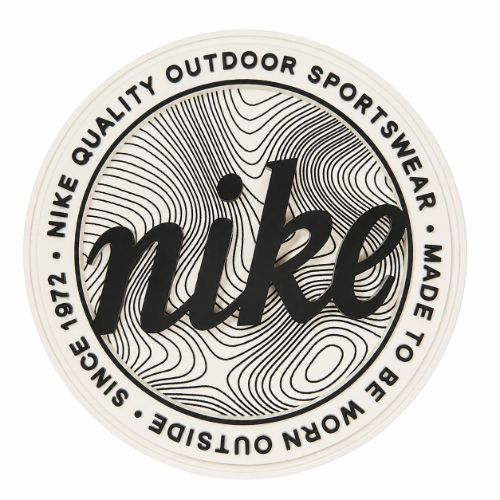
Most people assume a label fails when the paper frays or the ink fades. The real holdout is usually the adhesive layer beneath it. That thin film is formulated to keep gripping long after the container has been rinsed, scuffed, and left in a damp garage. It works by flowing into microscopic pores on the substrate, then balancing cohesive strength with just enough tack to resist peeling, shear, and temperature swings without turning brittle.
What makes some adhesion layers outlast the product itself often comes down to crosslink density and the choice of tackifier resins. A lightly crosslinked acrylic can stay soft enough to wet out rough recycled cardboard, yet tough enough to ignore repeated freeze-thaw cycles. Silicone release liners also play a quiet role by preserving the adhesive's surface energy until the moment of application, so the bond forms cleanly instead of fighting trapped air or dust.
The result is a mismatch that feels almost accidental. The label outlives the bottle, the jar, the box. Not because anyone engineered it to be permanent, but because the adhesive was tuned to survive the worst handling conditions the product would ever meet, and then some.
Stretch, Sweat, and Sunscreen: Stress Points That Matter
Most warm-ups stop at the big muscles, but the smaller tension points often set the tone for the whole session. A few slow hip circles, some ankle tilts, and shoulder blade glides can release the areas that tighten first once you start moving. Pairing that with short bursts of movement keeps the muscles responsive without turning the first ten minutes into a routine you rush through.
Sweat does more than cool you down; it finds every seam, fold, and crease and turns them into friction points. Pay attention to the spots where clothing rubs, the backs of your knees, under your arms, and the edges of your socks. Keeping a dry towel or a change of lightweight gear nearby prevents the kind of irritation that only shows up later, after the workout is already over.
Sunscreen slips off faster than most people expect, especially around the hairline, ears, and backs of hands. Those are the areas that burn first because they get missed or wiped away without a second thought. Reapplying before the skin starts to feel warm, and using a formula that can handle sweat, keeps the focus on movement instead of the sting that arrives hours later.
Texture Matching for Labels That Look Molded, Not Stuck On
Most labels give themselves away the moment light hits the edge at a low angle. A smooth sticker never reflects quite like the surrounding plastic, and that small difference is enough to make an otherwise sharp design feel temporary. Texture matching removes that tell by carrying the exact grain, leather pattern, or brushed metal finish from the part across the label face. The peaks and valleys line up closely enough that the seam between label and housing disappears in normal use.
This becomes especially noticeable on surfaces that already have a strong material feel. A gritty handle, a fine hairline on an audio faceplate, or a soft-touch dashboard all set expectations. If the label interrupts that surface with a flat patch, the eye reads it as something added. Matching the texture keeps the label inside the material rather than on top of it, which changes the impression from decorated to manufactured as one piece.
The match also needs to survive the production process. Different label shapes, small cutouts, and curved edges can stretch or soften a texture if it comes from a generic library. Working from the actual tooling or a high-resolution scan keeps the grain direction, depth, and scale aligned across the part. When that alignment is right, the label stops looking like a printed sticker and starts looking like it was always part of the mold.
Heat Press Variables That Quietly Ruin Durability
Most people assume a peeling transfer means the vinyl or adhesive failed, but the press itself is often working against you in ways that never trigger an error code. A slight drop in the lower platen's temperature from repeated short cycles can leave the adhesive at the edge of the design under-cured. Those outer two inches cool faster than the center, so the print might look fine for a week and then start lifting exactly where the fabric flexes most.
Pressure gets treated like an on/off setting, yet too much clamping force squeezes the adhesive away from the fabric weave before it sets. Too little leaves micro-gaps that survive the first wash but open up after detergent and heat break down the bond. The quiet killer is often a worn pressure adjustment knob that drifts during longer runs, delivering ten inconsistent presses before anyone notices the handle feels looser than it did at the start.
Dwell time mistakes rarely come from a timer that is obviously wrong. They come from overlooking how long the material stack actually takes to reach curing temperature once the platen makes contact. Thicker garments, moisture still trapped in the fibers, and a press that is slow to recover heat all stretch that real dwell time beyond what the setting on the display suggests. Letting the press reheat for thirty extra seconds between cycles or pre-pressing the garment a moment longer can matter more than switching to a more expensive transfer.
Ten Labels That Hold Up When the Brand Has to Survive
Most brand labels are easy to wear in calm weather. The ones worth noticing are the ten that stay credible when cash is short, supply chains snap, or public trust dips. Those labels do not survive because of clever phrasing; they survive because they describe a way of working that people inside the company still recognize when the pressure rises.
A label like "radically reliable" means nothing if the team has to choose between speed and safety during a crisis. What makes it hold is repetition: the same decision made hundreds of times before anyone outside notices. The durable labels are almost boring in normal months. They become visible only when a brand has to decide what it is willing to lose.
The ten that hold up usually share a common trait: they are narrow enough to guide a choice and wide enough to allow change. They are tied to behavior, not mood. When a brand has to survive, it cannot invent a new identity overnight. It leans on the labels that were earned long before, and those labels either carry the weight or they snap.
FAQ
They use a raised, flexible silicone layer that resists abrasion, cracking, and color fade after repeated washing. Heat and pressure bond them to fabric, so the graphic becomes part of the surface instead of sitting on top.
They perform best on smooth or tightly woven fabrics like performance knits, denim, canvas, and nylon. Stretchy textiles also work because silicone flexes with the material, but highly textured or loosely knit fabrics may need a lower application temperature and extra pressure.
Yes, when applied correctly they feel soft and smooth. Unlike stiff woven patches or thick PVC, the edges taper into the fabric, so there is little rubbing against skin. Many outdoor and athletic brands prefer them for baselayers and kids' clothing.
They offer sharper fine detail and a lower profile than embroidery, and they resist fraying better than woven labels. The trade-off is upfront tooling cost and the need for controlled heat application, but the finished look is cleaner on modern minimalist branding.
Ask about the silicone durometer, whether they provide pre-production samples, and how their labels perform in industrial wash tests. A supplier that offers custom 3D depth, matte or gloss finishes, and clear adhesive backing tends to be more reliable for long-run production.
Quality molded silicone labels typically handle 40 to 60 degree Celsius wash cycles and standard tumble drying without peeling or distorting. Extreme heat above the recommended range can soften the adhesive layer, so it is worth matching the label spec to your garment care instructions.
Bold shapes, thick lettering, and high-contrast colors read clearly. Fine lines under about 0.2 mm may not mold consistently, so simplifying small details usually leads to better durability and a stronger brand mark.
The difference shows up in edge smoothness, color consistency, and how the label handles stretch. Premium versions use higher-grade silicone and better adhesive films, so they keep their shape and stay adhered after long-term wear, while cheaper ones may yellow or lift at the edges.
Conclusion
Most heat transfer labels fail because they sit on top of the material instead of behaving like part of it. Molded silicone changes that equation. The labels move with the fabric or product surface, so repeated stretching, sweat exposure, and sunscreen contact don't create the peeling edges or cloudy film you see with standard transfers. The real difference is in the adhesion layer, which has to bond deeply enough to survive repeated washing or abrasion without turning stiff. Texture also plays a bigger role than many brands expect. When the label's surface grain matches the surrounding material, it stops looking like a sticker and starts looking like a detail that was always meant to be there.
Heat press settings often get overlooked, yet small mistakes in temperature, pressure, or dwell time are enough to compromise a label that would otherwise last for years. The ten picks in this roundup were evaluated for how well they handled real-world stress, including oily hands, UV exposure, and constant friction against zippers or straps. Some options stand out for their soft drape on apparel, while others work better on hard goods where edge lift is the usual failure point. Rather than chasing the thickest build, the best choices balance flexibility with toughness, keeping the brand mark readable and intact long after the product itself has started showing wear.
Contact Us
Contact Person: Wang Song Lin
Email: [email protected]
Tel/WhatsApp: +8613751282193
Website: https://www.heat-transferprinting.com/