
Maternity Pad Machine Manufacturer: Innovative Solutions for Modern Care
2026-03-22
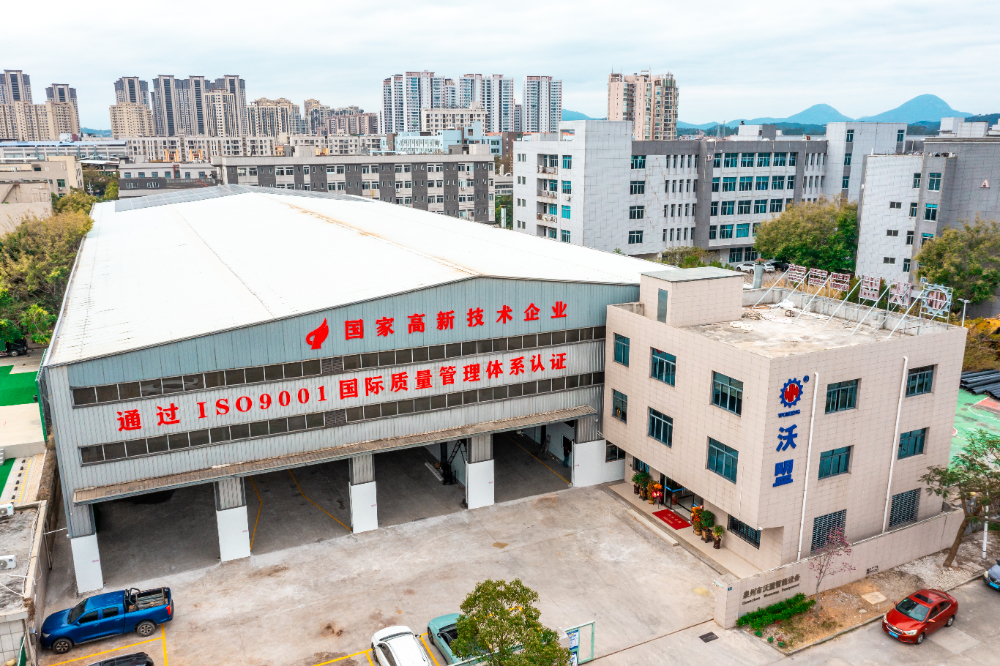
In the ever-evolving landscape of maternal healthcare, innovation is key to ensuring comfort and safety for new mothers worldwide. This post delves into the cutting-edge world of maternity pad machines, exploring how advanced manufacturing solutions are revolutionizing modern care practices. At the forefront of this transformation is Womeng, a brand dedicated to crafting precision equipment that meets the highest standards of hygiene and efficiency. By integrating smart technologies and sustainable designs, these machines not only enhance production quality but also support the well-being of mothers and babies alike. Join us as we uncover the inspiring journey behind these innovations and how they're shaping a brighter future for maternal health.
Top Features of Modern Maternity Pad Machines
Modern maternity pad machines are revolutionizing production with their advanced automation, enabling faster output while maintaining high-quality standards essential for sensitive postpartum needs. These systems incorporate precise material handling and seamless integration of absorbent layers, ensuring each pad offers optimal comfort and protection without compromising on softness or durability in a competitive market.
Another standout feature is their enhanced hygiene and safety protocols, incorporating antimicrobial treatments and automated quality checks that minimize human contact, thus reducing contamination risks. This focus on cleanliness aligns with growing consumer demand for products that support recovery in a wholesome and reliable manner.
Flexibility and customization capabilities also set these machines apart, allowing manufacturers to easily adjust sizes, shapes, and absorbency levels to cater to diverse postpartum scenarios. This adaptability not only meets varied consumer preferences but also boosts efficiency by streamlining production lines for different product variants, making them a smart investment for companies aiming to innovate in maternity care.
Customization Options for Hygiene Product Lines
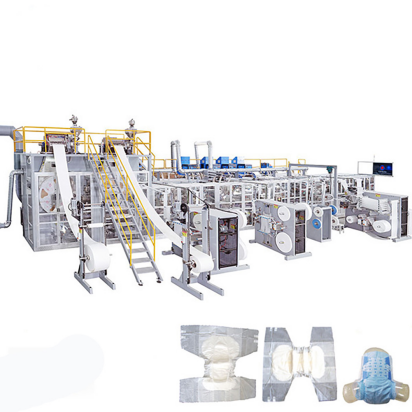
When it comes to hygiene products, customization is key to meeting diverse consumer needs. Brands now offer tailored solutions, from varying sizes and fragrances to specific formulations for sensitive skin. By allowing customers to choose features that align with their preferences or lifestyle, companies can foster loyalty and ensure their products don't just clean—they connect personally.
Imagine a world where your everyday essentials adapt to you, rather than the other way around. Innovative hygiene lines are embracing this idea with options like eco-friendly materials, refillable designs, or hypoallergenic variants. This approach not only enhances user satisfaction but also positions brands as forward-thinking leaders in a crowded market, setting them apart from competitors who stick to one-size-fits-all offerings.
Beyond basic choices, deeper customization can transform hygiene routines into personalized experiences. Whether it's through subscription services that deliver products on a schedule, customizable packaging that reflects individual tastes, or ingredient mixes based on feedback, these options empower consumers. Ultimately, this flexibility builds trust and keeps brands relevant in an era where personalization isn't just a trend—it's an expectation.
Eco-Friendly Materials in Pad Manufacturing
Innovations in pad manufacturing are increasingly focusing on eco-friendly materials to address environmental concerns and consumer demands for sustainability. For instance, organic cotton is gaining traction as a key component, offering a biodegradable and pesticide-free alternative to conventional cotton. This shift not only reduces the ecological footprint of production but also provides users with a gentler, hypoallergenic option. Brands are exploring blends with bamboo fibers, known for their softness and rapid growth, which help conserve water and soil resources. Such materials contribute to a circular economy by minimizing waste and encouraging recyclability in the industry.
Another exciting development is the use of plant-based polymers derived from sources like corn or sugarcane to create pad cores. These bioplastics break down more efficiently in industrial composting facilities compared to traditional plastics, reducing long-term landfill impact. In addition to core materials, manufacturers are incorporating recycled paper or cardboard for packaging, further cutting down on single-use waste. This holistic approach ensures that every aspect of the pad's lifecycle, from production to disposal, aligns with greener practices, making it a standout choice in a crowded market. Innovations like these not only meet regulatory standards but also resonate with eco-conscious consumers seeking transparent and responsible products.
Beyond material choices, sustainable pad manufacturing often involves energy-efficient processes and ethical sourcing. For example, some companies partner with certified farms that prioritize biodiversity and fair labor practices, ensuring that eco-friendliness extends beyond the product itself. This differentiation sets them apart from competitors who may only focus on surface-level changes. By highlighting these comprehensive efforts, brands can build trust and loyalty among buyers who value environmental stewardship in their purchasing decisions. The trend toward eco-friendly materials in pads reflects a broader commitment to reducing plastic pollution and promoting healthier lifestyles for both people and the planet.
Smart Technology Integration for Efficiency
Integrating smart technologies into business operations can significantly boost efficiency by automating routine tasks and streamlining processes. For example, IoT devices enable real-time monitoring of equipment, reducing downtime and maintenance costs. This connectivity allows companies to respond quickly to issues, ensuring smoother workflows and better resource allocation.
Leveraging AI and machine learning, organizations can analyze vast amounts of data to uncover insights that drive decision-making and improve productivity. These tools help identify trends and patterns, enabling more accurate forecasting and strategic planning. By adopting such technologies, businesses can stay ahead in competitive markets and enhance overall performance.
Moreover, cloud-based solutions facilitate seamless collaboration across teams, regardless of location. This integration supports remote work and agile project management, leading to faster project completion and higher quality outcomes. Ultimately, smart technology integration fosters innovation and adaptability, empowering companies to achieve their goals with greater precision and less effort.
Global Standards and Safety Compliance
Navigating the complex landscape of global standards and safety compliance is crucial for businesses operating across borders. These frameworks, such as ISO certifications and industry-specific regulations, ensure that products and services meet rigorous safety, quality, and environmental benchmarks. By adhering to these standards, companies not only protect consumers but also build trust and credibility in international markets, reducing risks associated with non-compliance and fostering sustainable growth.
In practice, achieving full compliance involves continuous monitoring and adaptation to evolving regulations, which can vary significantly by region. For instance, while the EU emphasizes stringent data protection under GDPR, other markets might prioritize product safety standards like those from ASTM International. Organizations must implement robust internal processes, including regular audits and employee training, to stay aligned with these requirements, turning compliance from a burden into a competitive advantage that enhances operational efficiency and innovation.
Moreover, beyond mere regulatory adherence, embracing global standards encourages a culture of excellence and responsibility. It drives organizations to adopt best practices in areas like sustainability and ethical sourcing, influencing supply chains positively. By proactively integrating these standards into core strategies, businesses can differentiate themselves, attract discerning customers, and contribute to a safer, more reliable global marketplace where safety and quality are non-negotiable priorities.
Support Services for Seamless Operations
Keeping everything running smoothly day-to-day is a challenge, but with the right support services, you can focus on what matters. We provide tailored solutions that address the unique needs of your operations, helping you avoid disruptions and maintain high efficiency. From troubleshooting minor issues to implementing proactive maintenance, our team is dedicated to ensuring your systems perform consistently.
What sets us apart is our integrated approach—instead of siloed support, we offer a seamless partnership where communication flows effortlessly. Our services don't just react to problems; they anticipate them, using data-driven insights to prevent downtime before it happens. Clients appreciate how we blend technical expertise with a deep understanding of their workflow, creating a supportive environment that fosters continuous improvement.
Experience operations that feel effortless and reliable, with a support system designed to adapt as your business evolves. We believe in building long-term relationships, so you can trust us to be there whenever you need a hand, keeping your processes smooth and your goals within reach.
FAQ
They often integrate advanced features like smart sensors for moisture detection, eco-friendly materials, and customizable production lines to meet diverse global standards, ensuring both performance and sustainability.
By utilizing automated, touch-free production processes and incorporating antibacterial components, they minimize contamination risks and support sterile environments critical for postpartum recovery.
Yes, modern manufacturers design flexible systems that allow quick adjustments for various sizes (e.g., postpartum to light flow) and absorbencies, catering to individual patient needs without compromising efficiency.
Automation enhances precision in material handling and assembly, reduces labor costs, and increases production speed, leading to consistent quality and timely supply for healthcare facilities.
Many manufacturers offer scalable solutions, including modular machines that can start with basic functions and expand as demand grows, making advanced care accessible in budget-conscious settings.
They conduct rigorous testing for durability and compliance, often partnering with regulatory bodies and utilizing certifications like ISO to guarantee reliability and safety in diverse healthcare contexts.
Trends include AI-driven predictive maintenance to reduce downtime, biodegradable materials to lessen environmental impact, and IoT connectivity for real-time monitoring of production and inventory levels.
Upgrades can lead to better patient comfort through improved product design, lower long-term operational costs via energy-efficient tech, and enhanced compliance with evolving health regulations.
Conclusion
Maternity pad machine manufacturers are at the forefront of delivering innovative solutions tailored for modern care, integrating advanced features to meet evolving industry demands. These machines excel with top features such as high-speed production and precision controls, ensuring consistent quality for hygiene products. Customization options enable manufacturers to adapt product lines to diverse market needs, from size variations to material compositions, enhancing versatility. Smart technology integration boosts efficiency through automated systems and real-time monitoring, reducing downtime and optimizing output. Moreover, a focus on eco-friendly materials, like biodegradable or recycled components, aligns with sustainability goals without compromising performance or safety. This holistic approach supports seamless operations while maintaining high standards in a competitive landscape.
Adherence to global standards and safety compliance is critical, as manufacturers ensure their equipment meets rigorous certifications, fostering trust and reliability among clients. Support services, including comprehensive training, maintenance, and technical assistance, further streamline operations, minimizing disruptions and enhancing productivity. By combining these elements—from cutting-edge technology and customization to eco-consciousness and robust support—maternity pad machine manufacturers provide a comprehensive package that addresses modern care challenges. This integrated strategy not only differentiates them from competitors but also empowers healthcare providers to deliver superior hygiene solutions, ultimately contributing to improved maternal health outcomes worldwide.
Contact Us
Contact Person: Jessie Lai
Email: [email protected]
Tel/WhatsApp: 86-188594442931
Website: https://www.wm-machinery.com