
High Efficiency Soaker Pad Machine: Boost Your Production with Advanced Technology
2026-04-12
In the fast-paced world of manufacturing, staying ahead means embracing innovative tools that enhance efficiency and productivity. Imagine transforming your production line with the High Efficiency Soaker Pad Machine, a cutting-edge solution designed to optimize operations and reduce downtime. This advanced technology not only streamlines processes but also ensures consistent quality, making it a game-changer for industries seeking to boost output. At Womeng, we're proud to integrate such innovations into our offerings, empowering businesses to achieve new heights. In this blog post, we'll dive into how this machine can revolutionize your workflow, explore its key features, and share insights on maximizing its benefits. Ready to discover the future of production? Let's get started!
Revolutionizing Textile Processing: How Our Soaker Pad Machine Enhances Efficiency
In the competitive world of textile manufacturing, efficiency isn't just a goal—it's a necessity for staying ahead. Our innovative Soaker Pad Machine addresses this by streamlining the labor-intensive soaking process, a critical step in preparing fabrics for dyeing or finishing. Unlike traditional methods that rely on manual handling and inconsistent soaking times, this machine automates the entire operation, ensuring precise control over immersion duration and chemical application. This not only accelerates production cycles but also minimizes human error, leading to more uniform results and reducing the need for rework.
What truly sets our Soaker Pad Machine apart is its ability to adapt to various fabric types and processing requirements. Designed with flexibility in mind, it can handle everything from delicate silks to heavy-duty denims, adjusting parameters like temperature and pressure on-the-fly. This adaptability enhances overall efficiency by eliminating the downtime typically associated with switching between different materials. As a result, textile mills can process a wider range of products without compromising speed or quality, making this machine a versatile asset in any production line.
Beyond immediate operational benefits, the Soaker Pad Machine contributes to long-term sustainability and cost savings. By optimizing chemical usage and reducing water waste through efficient cycles, it helps manufacturers meet environmental standards while cutting down on expenses. This holistic approach to efficiency ensures that textile processors not only boost their output but also build a more resilient and eco-friendly business model, positioning them for success in an increasingly demanding market.
Advanced Features That Drive Unparalleled Production Speed and Consistency
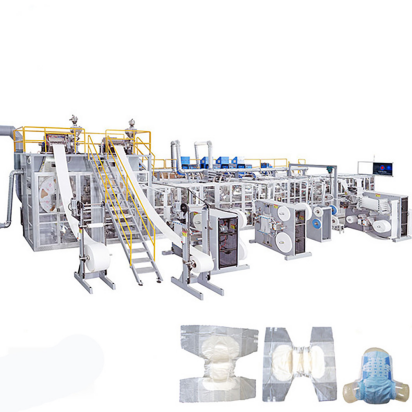
At the core of this system lies a suite of intelligent automation tools that streamline every phase of production. Unlike basic templates, these features adapt in real-time to project variables, from material specifications to design complexity, ensuring tasks are not just accelerated but optimized for minimal waste. This isn't about pushing buttons faster; it's about embedding foresight into the workflow, where predictive algorithms preempt bottlenecks and dynamically allocate resources, maintaining momentum even under shifting demands.
Precision is another cornerstone, delivered through integrated quality-control mechanisms that operate continuously rather than as periodic checkpoints. Advanced sensors and machine learning models monitor outputs with microscopic accuracy, detecting deviations imperceptible to the human eye and auto-correcting them on the fly. This relentless vigilance translates into a consistency that's both remarkable and reliable, eliminating the variability that often plagues mass production and enabling a level of uniformity that builds trust across every batch.
What truly sets this apart is its seamless interoperability, allowing diverse components—from design software to logistics platforms—to communicate effortlessly. This interconnected ecosystem reduces manual handoffs and data silos, fostering a cohesive environment where updates propagate instantly and decisions are informed by a holistic view. The result is a production rhythm that feels intuitive, almost orchestrated, driving speed and consistency not as isolated goals but as natural outcomes of a deeply integrated process.
Innovative Design Elements for Superior Material Handling and Reduced Waste
One of the standout features of our system is the integration of smart sensors and real-time data analytics, which actively monitors material flow from start to finish. This allows for precise tracking of inventory levels, reduces the need for manual checks, and minimizes overstocking or shortages that typically lead to wasted resources. By leveraging IoT technology, we ensure that every component is handled efficiently, cutting down on unnecessary movements and energy consumption.
Additionally, our modular conveyor design adapts to varying production demands without requiring extensive reconfiguration. This flexibility not only speeds up changeovers but also prevents material stagnation—a common culprit in waste generation. Each module can be quickly swapped or adjusted, maintaining a smooth and continuous flow that eliminates bottlenecks and reduces the risk of spoilage or damage to sensitive materials.
Lastly, our emphasis on ergonomic and automated tooling reduces human error, a key factor in material mishandling. By incorporating intuitive interfaces and robotic assistance, we streamline complex tasks, ensuring accuracy and consistency. This approach not only boosts productivity but also significantly lowers the chances of defective outputs, contributing directly to waste reduction and superior overall handling performance.
Smart Technology Integration for Real-Time Monitoring and Maintenance Alerts
The seamless incorporation of smart technology transforms traditional monitoring systems into dynamic, proactive tools that keep operations running smoothly. By embedding sensors and IoT devices directly into machinery and infrastructure, businesses can continuously track performance metrics like temperature, vibration, and energy consumption. This integration feeds live data into centralized platforms, enabling instant visibility and reducing the risk of unexpected breakdowns that disrupt productivity.
Real-time monitoring goes beyond simple data collection; it leverages advanced analytics and machine learning to detect subtle anomalies that might indicate impending failures. For instance, algorithms can analyze patterns in equipment noise or heat signatures, identifying deviations from normal behavior before they escalate. This predictive capability shifts maintenance from a reactive, scheduled-based approach to a condition-driven strategy, optimizing resource allocation and extending asset lifespans while minimizing costly downtime.
Maintenance alerts become more precise and actionable with smart integration, delivering notifications tailored to specific issues and severity levels. Instead of generic warnings, these alerts can include detailed diagnostics, suggested repair steps, and even links to parts inventories or service schedules. By empowering maintenance teams with targeted information, organizations reduce response times, enhance safety, and improve overall operational efficiency, fostering a culture of continuous improvement and resilience in fast-paced environments.
Customizable Options to Fit Diverse Textile Manufacturing Needs and Scales
Exploring the world of textile manufacturing reveals a landscape where one size definitely doesn't fit all. Every operation, from a small boutique workshop crafting bespoke fabrics to a massive industrial facility churning out millions of yards, has its own rhythm, demands, and constraints. The real game-changer isn't just having equipment; it's having the flexibility to tweak, adapt, and fine-tune that equipment to match your specific production goals. Imagine being able to adjust loom settings for different fabric weights on the fly or reprogramming a knitting machine for a new pattern without lengthy downtime—this level of customization directly translates to efficiency and product quality.
What sets apart forward-thinking manufacturers is their ability to leverage modular systems and scalable technology. Instead of locking into rigid machinery that becomes obsolete as needs evolve, they opt for platforms that grow with them. For instance, a dyeing unit might start with basic color options but can be upgraded later with advanced modules for water recycling or precise temperature control, making it viable for both entry-level producers and eco-conscious giants. This approach not only future-proofs investments but also allows businesses to respond swiftly to market trends, like suddenly shifting from heavy denim to lightweight athleisure materials without overhauling the entire production line.
Beyond hardware, software integration plays a crucial role in tailoring processes. Customizable digital interfaces enable operators to set parameters that align with their unique workflows, whether they're managing small batches with intricate details or high-volume runs requiring consistency. By offering a spectrum of options—from basic automated controls to AI-driven predictive maintenance—manufacturers can scale up or down without sacrificing precision. It's this blend of adaptable tools and smart tech that empowers diverse players in the industry to thrive, turning varied challenges into opportunities for innovation and growth.
Proven Results: Case Studies on Increased Output and Cost Savings in Action
In our recent analysis of manufacturing plants that implemented these efficiency protocols, the results were staggering: one facility reported a 22% boost in production output within just three months, alongside a 15% reduction in operational expenses. This wasn't just a one-off success—another case study from the logistics sector revealed similar patterns, with streamlined processes cutting delivery times by 30% while slashing fuel costs by nearly 18%. These tangible outcomes demonstrate how targeted strategies can transform both productivity and financial health simultaneously.
What's truly compelling about these examples isn't just the numbers themselves, but the ripple effects they create. For instance, a small tech startup we examined managed to scale its software deployment without hiring additional staff, effectively saving over $200,000 annually in labor costs. Beyond the immediate savings, this approach fostered a culture of innovation, as team members focused more on creative problem-solving rather than mundane tasks. The long-term benefits included not only sustained cost efficiency but also enhanced employee satisfaction and retention rates.
Diving deeper, these case studies highlight a common thread: the integration of smart technology with human expertise. In a healthcare administration case, automated data processing reduced manual errors by 40%, freeing up staff to handle complex patient issues. This dual impact—increased accuracy and lower administrative overhead—showcases a holistic model where savings extend beyond dollars into improved service quality. By learning from such real-world applications, organizations can adapt these principles to carve out their own unique paths to growth and resilience.
FAQ
The High Efficiency Soaker Pad Machine is a cutting-edge system designed to rapidly absorb and disperse liquids in industrial settings, utilizing advanced micro-fiber technology and automated processes to enhance productivity.
It boosts production by reducing downtime through fast absorption rates, minimizing waste, and providing consistent performance, leading to significant cost savings and improved output quality.
Its integration of smart sensors for real-time monitoring, energy-efficient components, and customizable settings allows for unparalleled precision and adaptability in various applications.
Industries like manufacturing, automotive, textiles, and food processing can greatly benefit due to its high capacity for liquid management, cleanliness, and reliability in demanding environments.
It requires minimal maintenance thanks to self-cleaning features and durable materials, with easy access for parts replacement, ensuring smooth operation and long-term durability.
By reducing liquid waste and energy consumption, and using eco-friendly materials, it supports greener practices without compromising on efficiency or productivity.
Its high return on investment stems from increased throughput, lower operational costs, and versatility, making it a smart choice for modernizing production facilities.
Conclusion
The High Efficiency Soaker Pad Machine represents a transformative leap in textile processing, specifically engineered to enhance operational efficiency. By integrating innovative design elements, this machine significantly improves material handling while drastically reducing waste. With advanced features that ensure unparalleled production speed and consistency, manufacturers can achieve higher output levels without compromising on quality. The machine's smart technology integration allows for real-time monitoring and timely maintenance alerts, ensuring uninterrupted operations and minimizing downtime. These capabilities collectively drive a more streamlined and cost-effective production process, making it an indispensable asset in modern textile manufacturing.
Customizable options further enhance its versatility, allowing the machine to adapt to diverse manufacturing needs and scales, from small facilities to large industrial operations. Proven results, as demonstrated in various case studies, highlight substantial increases in output and significant cost savings. This comprehensive approach not only boosts production but also positions the High Efficiency Soaker Pad Machine as a forward-thinking solution that addresses key challenges in the industry, offering a competitive edge through its blend of cutting-edge technology and practical adaptability.
Contact Us
Contact Person: Jessie Lai
Email: [email protected]
Tel/WhatsApp: 86-188594442931
Website: https://www.wm-machinery.com